
BURBANK, Calif. — Honor is selling phone filmmakers a route into ARRI’s color workflow, not a cinema camera that happens to make calls. A new account of the companies’ studio demonstration shows why that difference matters: the Magic9 Pro Max can produce an appealing graded image without establishing that it captures the same information as a professional camera.
In a November 5 report, technology writer Ben Sin described shooting with the phone at ARRI’s Burbank offices, where the companies had arranged lighting and models for visiting media. He found the results particularly convincing with the longer camera framing after applying an ARRI Alexa lookup table to footage recorded in LogC3.
The demonstration offers a closer look at a partnership already embodied in a commercial device. Honor announced the Magic9 Pro Max in China on September 28. The new reporting is about what its imaging collaboration looks like in use, not evidence that the phone or partnership was first unveiled this week.
In Sin’s Forbes account, the two companies worked on reproducing colors and tones associated with ARRI cameras. His preference for the phone’s 85mm framing over its wider 23mm view is an observation from that session, not a measurement establishing a best-in-class camera across different lighting, subjects and recording conditions.
ARRI’s own description is narrower than the idea of putting a complete movie camera inside a phone. Its September partnership announcement says the device incorporates “selected elements of ARRI Image Science” across capture, color management, preview and finishing. Those words identify a contribution to the imaging pipeline rather than equivalence between two very different cameras.
The named ingredients include native LogC3 recording and the ARRI Wide Gamut 3 color space. Log footage is deliberately low in contrast before it is processed for display. A lookup table, or LUT, maps recorded color values to output values, allowing a creator to apply a defined starting appearance instead of building every adjustment from scratch.
That is why a flat-looking recording and an attractive finished clip are not competing descriptions of the same feature. The recording is material for grading; the look is one way of presenting it. The practical benefit is a more familiar path between shooting and post-production for someone already using those tools.
Honor’s technical launch disclosure specifies 10-bit color and recording at up to 4K 60fps in ARRI CINEMA Mode. It also cautions that feature availability varies by camera and shooting mode. Those qualifications matter more than a blanket claim that every camera on the handset offers the same cinema functions.
There are 14 preset ARRI Looks, comprising two conversion Looks and 12 stylized options, according to Honor. The separate ARRI Look Library contains 87 predefined creative gradings. The two counts describe different sets of choices; they should not be added together and presented as the number of presets installed on the phone.
Real-time preview is another part of the arrangement. Creators can judge a proposed appearance while recording rather than looking only at a desaturated image and imagining the final result. That helps connect choices made during capture with the treatment intended afterward, although a preview still does not establish the quality of the underlying recording.
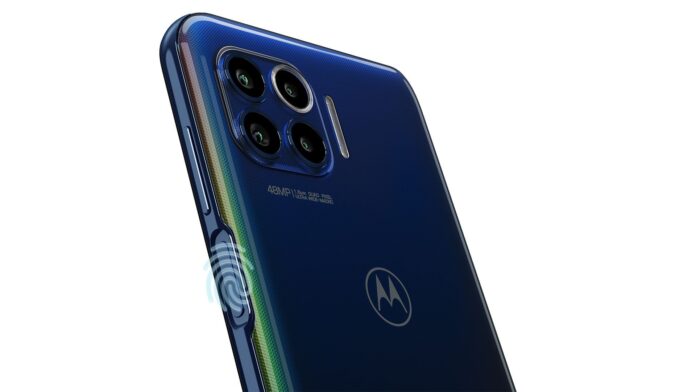
The hardware supporting the workflow includes a 200-megapixel main camera and a 200-megapixel telephoto camera, alongside a 50-megapixel ultrawide, Honor says. Its H1 imaging chip handles processing within the pipeline. These still-camera pixel specifications should not be confused with the resolution of a recorded video frame.
The manufacturer also claims up to 14 stops of cinematic dynamic range and an 8dB signal-to-noise improvement under its laboratory conditions. Those are Honor’s test results. The studio session described by Sin does not independently verify either figure, and the launch disclosure says real-world performance varies with the environment and settings.
ARRI has a commercial reason to make the workflow approachable. David Bermbach, its chief product officer, said in the company’s announcement that the phone offers an opportunity to introduce emerging cinematographers to the brand early in their creative careers. A creator can encounter its color tools before having a production budget for dedicated cinema equipment.
Honor gets a more specific camera story in return. The branding is visible beside the lenses, but LogC3 recording, the color space and the preview tools give the collaboration something a user can operate. Whether that becomes a lasting advantage depends on the footage and editing process, not simply the badge on the camera housing.
The geographic and pricing claims need similar care. Honor’s September announcement set a China starting price of RMB 6,499 and said international rollout details would follow. It did not establish a universal retail price or one launch date for every market. Sin’s roughly $1,300 comparison should not be read as confirmed local pricing everywhere.
What the Burbank session leaves unresolved is the comparison outside the prepared set. The lighting was chosen, the subjects were arranged and the phone footage was graded. That demonstrates a creative possibility. It does not show how reliably the same result survives mixed light, an unrepeatable moving subject or a long recording away from the studio.