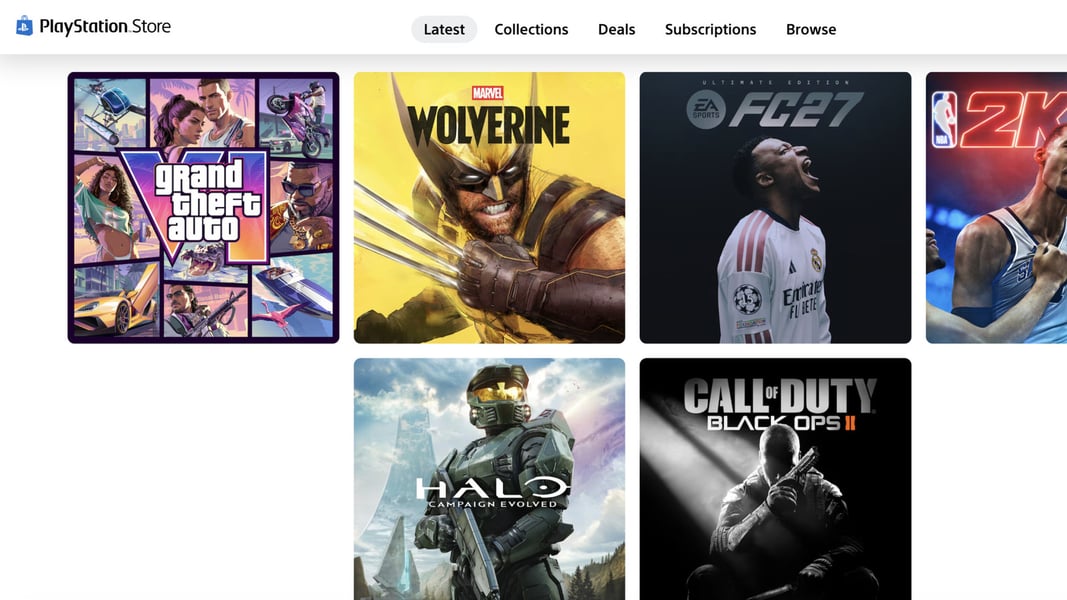

SAN FRANCISCO — Jason Mendoza paid $69.99 for Resident Evil Requiem on the PlayStation Store on February 14. Eleven days later, Edward Heycock paid the same price for the same game. Now both are plaintiffs in a class action lawsuit against Sony, and Sony’s lawyers have turned that timing into their central argument: no one who understands how digital storefronts work could reasonably believe they own a game when millions of other people can purchase the identical copy at any time.
“In the digital age,” Sony’s lawyers wrote in an August 21 filing in California’s Northern District Court, “it is not plausible to allege that reasonable consumers believed they were obtaining ‘ownership’ of a digital game.”
That phrase, “reasonable consumers,” is now at the center of a lawsuit that will determine how game publishers describe their storefronts to the tens of millions of players who have shifted from physical discs to downloads.
The case was filed in June by four PlayStation customers alleging Sony violates California’s AB 2426, a 2024 law requiring digital storefronts to warn buyers in plain language that a purchase grants a license, not ownership. The law was passed specifically because the gaming and entertainment industries had grown reliant on “buy” and “purchase” buttons that implied permanent acquisition without disclosing the underlying licensing structure. The complaint argues Sony still has not fixed that problem.
Sony’s response does not dispute that digital transactions grant licenses rather than outright ownership. Instead, it argues the distinction was already obvious, that any reasonable consumer understood the limitations, and that the existing terms of service disclosures satisfy the law’s requirements.
There is a telling contrast in how Sony’s competitors responded to the same pressure. When AB 2426 was signed, Valve moved proactively: Steam now displays a notice at checkout informing customers that their payment acquires a license, not a permanent copy. Sony chose a different path. It did not update the storefront language but filed a motion arguing in court that no update was necessary.

Sony is not alone in facing this legal scrutiny. GameStop received a similar class action in January, brought by a customer named Jake Weber under AB 2426. Both cases test how aggressively California’s new disclosure law will be enforced, and whether “reasonable consumer” is a defensible standard for minimizing what retailers must say at the point of purchase.
For Sony, the timing carries particular weight. The company announced earlier this summer that it would end physical PlayStation 5 disc production in January 2028. Physical games had already dropped to just three percent of PlayStation sales by 2024, according to Fortune. What those numbers do not capture is what disappears alongside the disc: the ability to resell a game, lend it to a friend, or hold onto it regardless of whether a platform server stays online or a company changes direction.
When Sony’s digital rights management controversy surfaced in April, the underlying anxiety was the same: that the terms governing digital libraries were getting stricter without consumers having any meaningful say. The class action now converts that anxiety into a legal question with a hearing date.
The case is also part of a wider shift in how consumers relate to digital ownership. Subscription fatigue has become a documented pattern, particularly among younger users who have grown up purchasing digital content and then discovered that access can vanish when a platform revokes a license, discontinues a service, or updates its terms. The gaming industry has watched that dynamic closely, aware that the gap between “I paid for this” and “I can access this whenever I want” is exactly where trust collapses.
Heycock and Mendoza have until September 4 to file their response to Sony’s motion to dismiss. Judge Vince Chhabria has scheduled a hearing for October 1 in San Francisco, as Engadget reported.
Even if Chhabria allows the case to proceed, that ruling addresses only one threshold: whether the plaintiffs have stated a plausible claim. The underlying merits, whether Sony’s storefront language actually misled consumers and whether AB 2426 compels a different disclosure, would proceed to discovery and potentially trial.
What the lawsuit cannot resolve is the underlying commercial reality: digital game libraries exist at the discretion of the platform holding the license. That was true before the lawsuit and will remain true regardless of how the court rules. What is now in dispute is simply whether Sony was obligated to say so more clearly when it asked you to click “buy.”