
Daisy Edgar-Jones’s performance is emerging as a point of agreement in otherwise contrasting reviews of Georgia Oakley’s Sense and Sensibility, as the new Jane Austen adaptation opens against the enduring reputation of Ang Lee’s 1995 film.
In a review published October 15, The Seattle Times praised Edgar-Jones’s Elinor Dashwood while finding the screenplay less assured. The assessment welcomed the film’s performances and physical setting without suggesting it had displaced Lee’s version, adapted by and starring Emma Thompson.
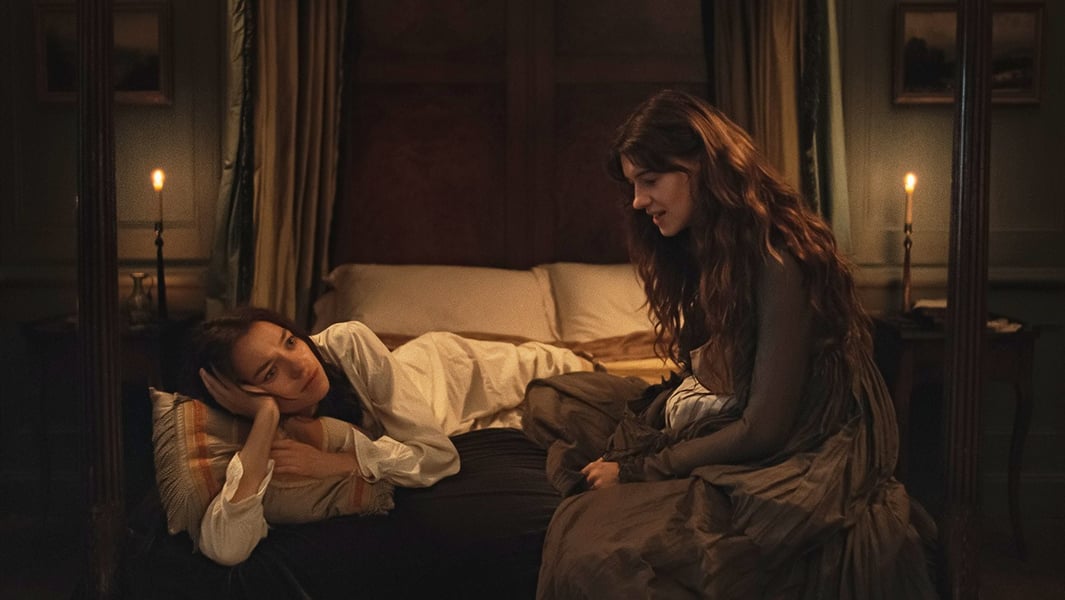
Oakley’s film pairs Edgar-Jones with Esmé Creed-Miles as Marianne, Elinor’s more impulsive sister. The casting and the sisters’ contrasting temperaments were central to the film’s first trailer, released earlier this year. Diana Reid wrote the screenplay from Austen’s novel.
A restrained performance draws attention
The Seattle Times singled out Edgar-Jones’s ability to communicate Elinor’s emotions without dialogue. Its review also praised George MacKay’s awkwardness as Edward Ferrars and Herbert Nordrum’s gradual development of Colonel Brandon, while finding particular comic energy in Fiona Shaw’s Mrs. Jennings.
Those judgments do not amount to an across-the-board critical consensus. In a September review, The Hollywood Reporter also identified Edgar-Jones and MacKay as strengths but took a considerably cooler view of the film around them.

The two reviews nevertheless locate much of the film’s emotional force in the relationship between Elinor and Edward. For readers deciding whether to see the new version, the distinction matters: admiration for the leads is compatible with reservations about pacing, supporting characters and the balance between melancholy and comedy.
A familiar story with a less polished surface
The story follows the Dashwood women after their father’s death forces them to leave their comfortable home. Elinor, Marianne, their younger sister Margaret and their mother move to a country cottage, where financial insecurity and complicated romantic attachments reshape their lives.
Caitríona Balfe plays Mrs. Dashwood, with Bodhi Rae Breathnach as Margaret. Frank Dillane plays Willoughby, whose relationship with Marianne is among the story’s central complications.

The Hollywood Reporter interpreted some of the same choices less favorably, finding the naturalism visually drab and the atmosphere overly subdued. The disagreement concerns not whether Oakley has changed the texture of Austen’s world, but whether those changes make it more immediate or less engaging.
A theatrical launch beyond the comparison
Focus Features presents the film as a story of love and sisterhood, with Working Title also behind the adaptation. That positioning puts the Dashwood sisters’ bond alongside, rather than beneath, the romantic storylines.
The film enters a crowded release weekend. As detailed in Eastern Herald’s opening-weekend box-office report, it faces competition from Street Fighter, Whalefall and the documentary You Can See Everything. Advance revenue estimates remain forecasts, not completed weekend earnings.
The Seattle Times ultimately welcomed the new adaptation on its own terms, despite its preference for Lee’s film. The Hollywood Reporter was more skeptical about the need for another version. Between those positions sits a narrower shared assessment: Edgar-Jones and MacKay give this return to Austen a substantial part of its appeal.