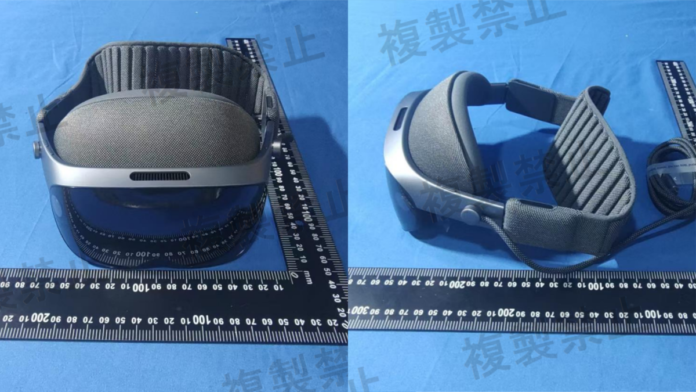

Meta Platforms has acquired extended-reality patent rights from Sony Group Corporation, according to reports describing U.S. assignment records and a broader agreement covering 419 patent and application entries worldwide. The recorded transfers give a narrower picture than the headline total: 43 U.S. properties were reported transferred between June and September 2026.
The distinction matters. The 419 figure describes the scope of the wider agreement, not 419 newly recorded U.S. patent transfers. Nor does it necessarily represent 419 separate inventions, because the reported total includes patent applications and filings across jurisdictions.
Gizmodo reported on October 8 that Sony had transferred 43 patents relating to virtual, augmented and extended reality between June and September, citing ZDNet Korea. The report described technologies involving information processing and displays, rather than the sale of an entire consumer hardware business.
Extended reality, usually shortened to XR, is an umbrella term for technologies that present digital environments or combine digital content with the physical world. Virtual-reality headsets, augmented-reality displays and mixed-reality systems can draw on overlapping research, which makes an XR portfolio broader than a single gaming product.
The transaction also has a longer history than the recent coverage might suggest. Reports describing the confirmatory assignment say Sony agreed in December 2025 to transfer the wider portfolio. The U.S. recordings cited in the October reporting therefore concern an earlier agreement, not a deal announced today.
For readers comparing accounts, the central question is what each number counts. An agreement can list intellectual-property entries across several countries, while a national registry records only the properties relevant to that jurisdiction. A report about 43 recorded U.S. transfers and another about a 419-entry worldwide schedule are not necessarily contradictory.

Meta already operates a consumer VR business through its Quest headsets. Eastern Herald previously reported on the company’s Quest headset pricing, a separate commercial issue from the ownership of Sony’s patent rights. The acquisition concerns the intellectual property behind potential technologies, rather than an immediate change to the price or capabilities of devices already on sale.
The seller’s identity also needs care. The reported assignments name Sony Group Corporation. That should not be silently replaced with Sony Interactive Entertainment, the PlayStation business, or described as Meta buying PlayStation VR. A transfer by the parent company does not by itself settle the future of every Sony product that uses immersive technology.
Some coverage has interpreted the sale as a sign of retreat from virtual reality. That is an interpretation, not a product-discontinuation announcement. The reported patent transfers do not establish that PlayStation VR2 has been cancelled, that its support has ended or that Sony has sold its entire XR operation.
The same restraint applies to predictions about Meta. Buying a portfolio can be relevant to future development, but the existence of a patent is not evidence that a commercial device will implement it. Without a product announcement identifying the acquired technology, tying the deal to a particular unreleased headset would go beyond the evidence.
The useful conclusion is narrower: Meta has obtained Sony-origin XR rights, and recent reporting has drawn attention to both the recorded U.S. transfers and a larger worldwide agreement. The scope of that agreement, the timing of the registry entries and the identities of the companies involved should remain separate from speculation about either company’s next hardware launch.