
ARMONK – IBM’s mainframe hardware revenue fell 42% in the second quarter, the company confirmed Wednesday, and the companies that depend on IBM’s infrastructure for clearing payments, booking flights, and processing financial transactions spent the quarter wondering when they would hear different news.
IBM reported $17.2 billion in quarterly revenue for Q2 2026, with $9.9 billion in gross profit and $2.2 billion in net income. The margin figure, approximately 58%, is healthy. None of the numbers met Wall Street estimates. The reason was IBM’s infrastructure segment, which the company itself described as posting “abysmal” revenue, driven by the worst mainframe hardware quarter in recent years.
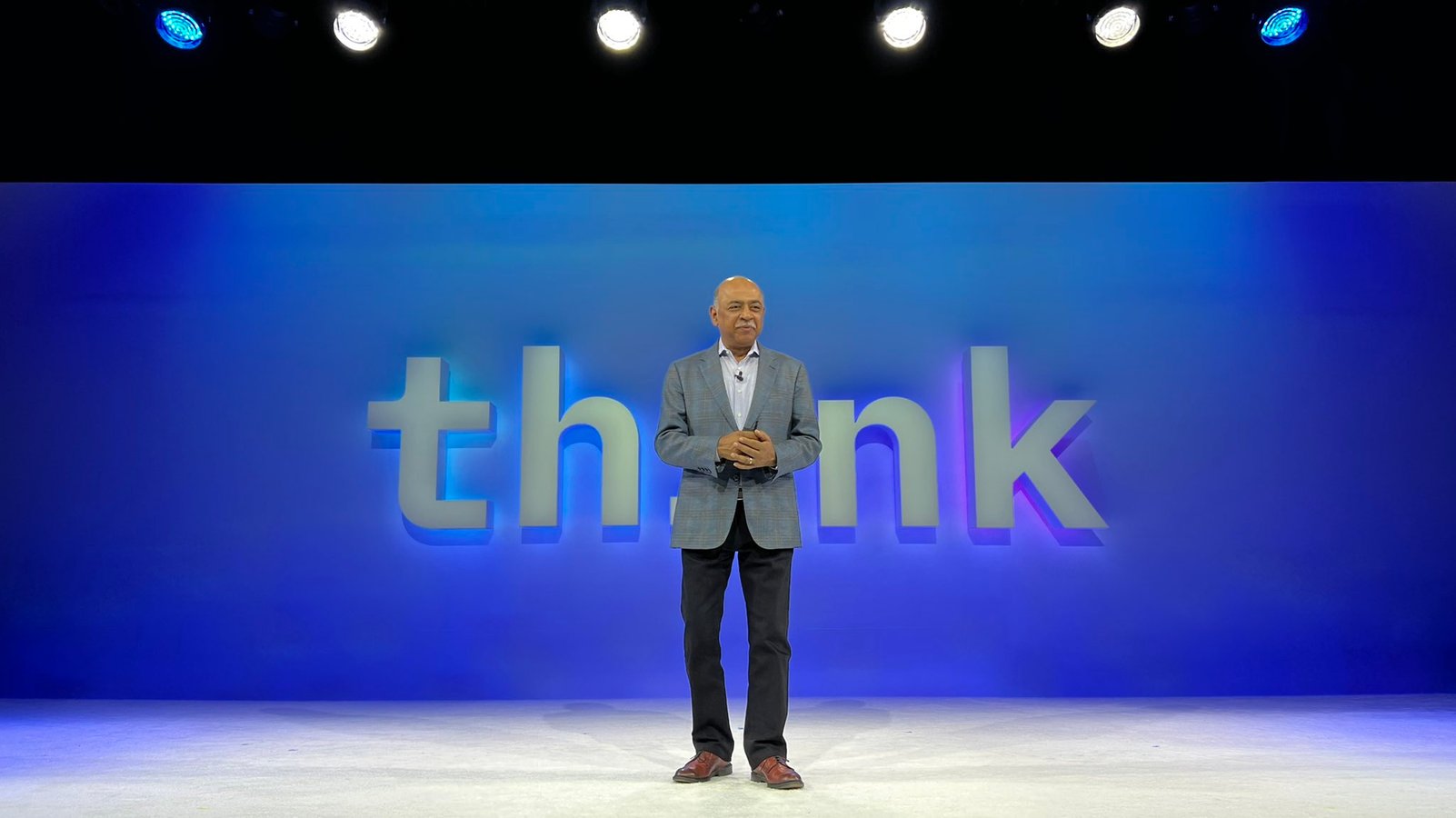
Chief executive Arvind Krishna had sent investors a pre-earnings warning letter in mid-July, a move unusual enough to accelerate the stock’s collapse on the day of disclosure. IBM shares fell 25% on July 14, the largest single-session decline in the company’s 115-year history as a public company, wiping roughly $68 billion from IBM’s market value before the official quarterly results were in.
Wednesday’s earnings call was the formal accounting of what that warning letter had described. Chief financial officer Jim Kavanaugh explained the financial anatomy of the problem during the call in terms that made the downstream consequences explicit: IBM earns approximately $3 in software revenue for every $1 of mainframe hardware it sells. When hardware purchases stop, the software subscriptions tied to those machines face their own eventual pressure.
The explanation for the stoppage, according to Krishna, was not that customers had decided to move their workloads elsewhere. “We see no evidence of clients moving off the mainframe,” he said on Wednesday. The explanation was instead that enterprise customers had faced a specific kind of budget compression in the second quarter: component prices for data centre equipment and personal computers rose between 15% and 30%, driven by demand from companies building AI infrastructure. “Tens” of customers, Krishna said, postponed planned mainframe refresh cycles and redirected capital toward AI infrastructure instead.
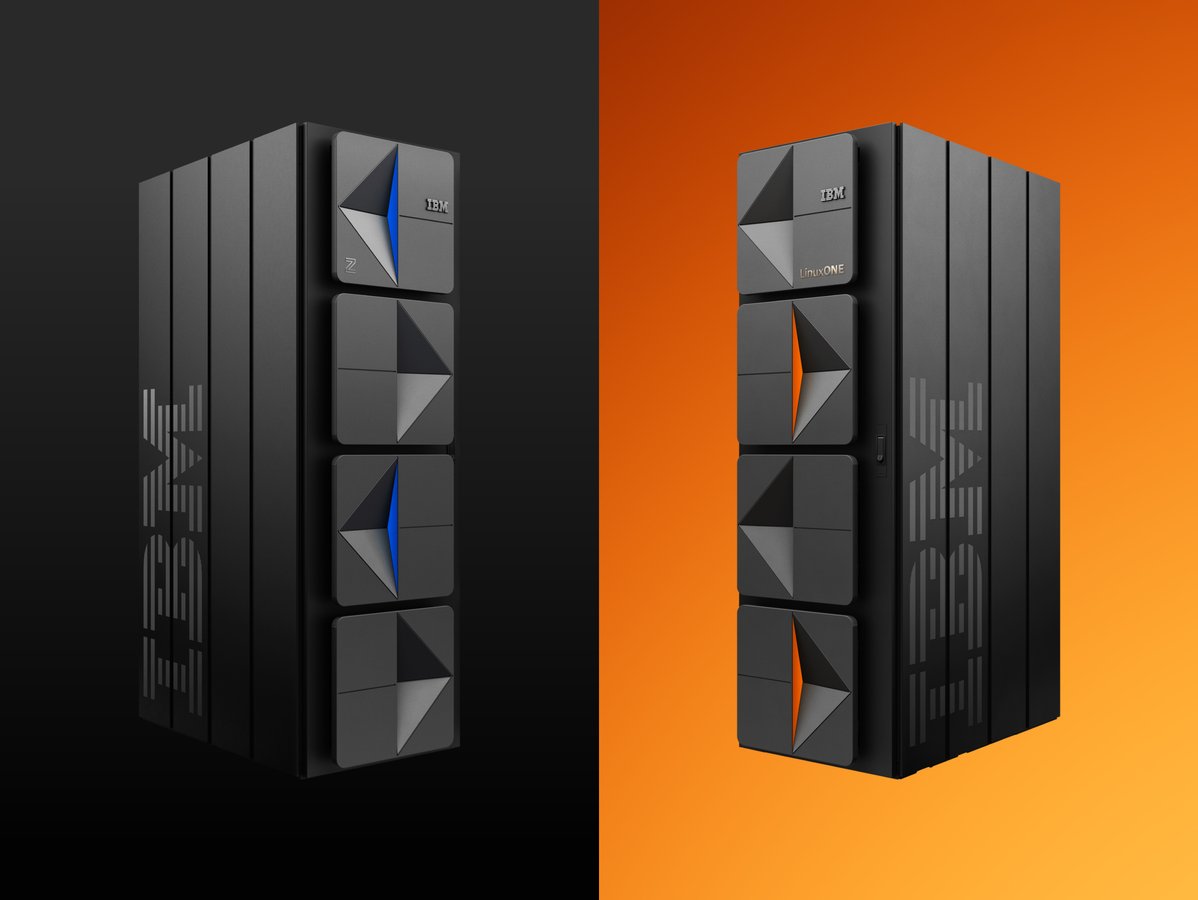
The assertion matters because it defines what kind of problem IBM is describing. If the customers who paused mainframe refresh cycles did so because of temporary budget pressure, the shortfall is recoverable. If they paused because they had made a structural decision about the future of their workloads, the 42% decline is the beginning of something longer.
IBM’s mainframe installations sit at the core of some of the most critical transaction infrastructure in the global economy. The clearing systems that process interbank payments, the reservation systems for major airlines, the back-office processors of payment networks that handle hundreds of millions of transactions daily: significant portions of all of these run on IBM mainframes, and have run on them for decades. Migration off mainframe hardware is not a quick decision. It requires years of software re-engineering, compliance testing, and risk acceptance that most institutions with viable alternatives to switching have historically declined to pursue.
That structural argument is the foundation of Krishna’s optimism. IBM’s July 14 disclosure had already exposed the mechanism: AI hardware spending functioning as a budget tax on enterprise software across the sector. Wednesday’s results quantified that mechanism with a precise figure.
IBM is not alone in reporting that AI capital expenditure is reshaping the broader technology spending environment. Alphabet raised its 2026 capital expenditure forecast to a record $205 billion Wednesday, causing its shares to fall despite a Q2 beat that included $119.8 billion in revenue and an 82% year-on-year surge in Google Cloud. The pattern across this earnings season has been one in which the cost of building for AI at scale is compressing returns in sectors that are not direct beneficiaries of that infrastructure build.
IBM lowered its full-year growth forecasts alongside Wednesday’s results. The company offered no timeline for when deferred mainframe purchases would resume. Krishna acknowledged that the timing depends in part on when AI infrastructure build costs stabilise and enterprise budgets realign toward refresh cycles. He did not say when that would happen.
What IBM knows about when the deferred purchases return is less than what investors would need to price the stock with confidence. Krishna’s claim that these are paused purchases rather than lost ones is plausible for the structural reasons he described. It is also untestable until purchases either resume or they do not.
The Q2 results do not settle that question. They establish the 42% figure as the cost of the current pause, and they establish that IBM’s revenue model means the pause is not contained to the infrastructure segment. A company that earns $3 in software revenue for every $1 of mainframe hardware has a revenue model in which hardware matters well beyond its own revenue line. IBM entered Q2 2026 as a company whose mainframe business was already known to be under strategic scrutiny in the AI era. The results confirmed the scrutiny was warranted. Whether it was also temporary is the question that will determine whether Wednesday’s earnings call was the low point or a marker on a longer decline.