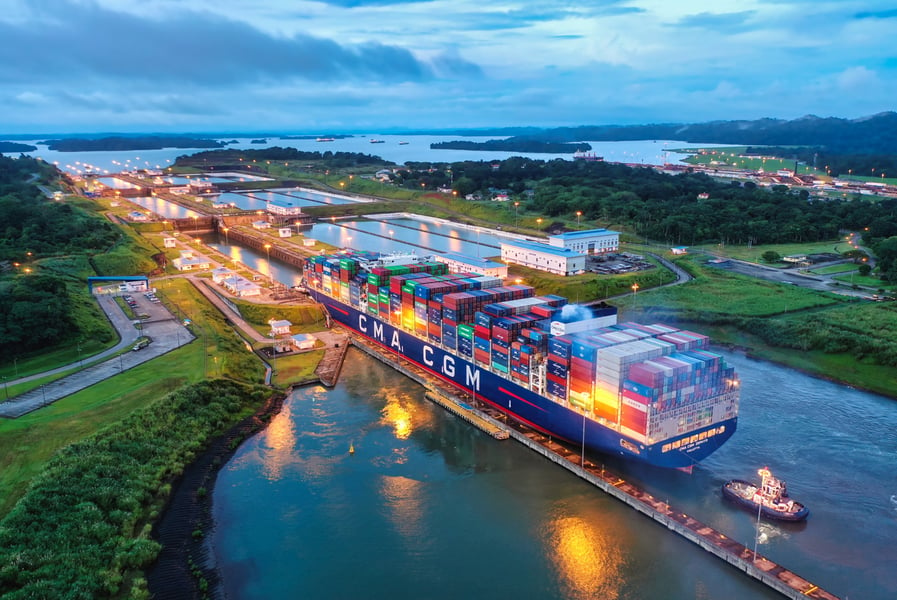

WASHINGTON — The Panama Canal gave its biggest ships a tenth daily booking slot beginning Thursday, but sending grain from the U.S. Gulf to Japan still costs far more than it did a year ago.
The U.S. Department of Agriculture’s weekly Grain Transportation Report, issued the same day, put the rate for a metric ton at $76.25 as of October 8, 36 percent above the same week of 2025. Across the Atlantic the picture differs: Gulf-to-Europe grain averaged $22.54 in the third quarter, 8 percent less than a year earlier. Fuel is part of the Pacific squeeze. The report has U.S. diesel at $6.179 a gallon, 251 cents higher than a year ago and about 35 cents under the record diesel prices TEH reported in September.
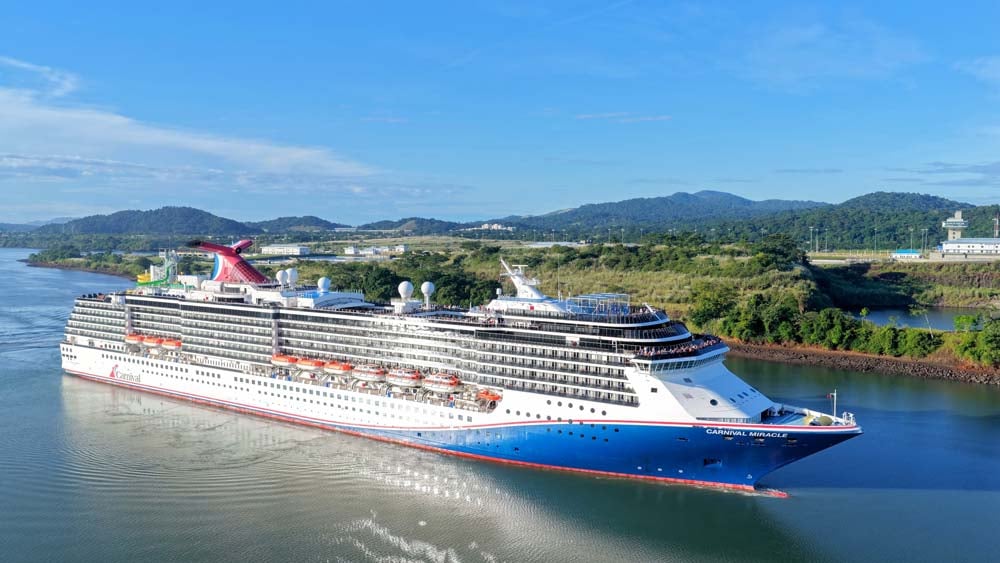
The canal’s own paperwork shows how small the relief is. Its September 28 advisory lifts the Neopanamax locks from nine slots a day to ten for bookings from October 15, which makes 33 across both lock sets after a September cut to 32. It also lets ships load to 14.94 meters, about a foot deeper than the 14.63-meter limit the authority set from August 26. In August, its monthly summary says, 98.3 percent of Neopanamax booking slots were used. Passenger ships are in the mix too: the authority opened its cruise season October 7 with more than 220 transits scheduled through May.
That tenth slot is not obviously aimed at bulk cargo. The Panama Canal Authority’s advisory sets weekly Neopanamax allocations of 42 slots for full container ships, 21 for LPG carriers, four for LNG and three for car carriers, bulkers and other vessels combined, though any segment may exceed its share when others show no interest.
The report’s author, Surajudeen Olowolayemo, ties the climb to bulk demand, bunker prices and canal limits, among other factors, and USDA warned the effect “may be magnified if strong U.S. grain exports coincide with the transit restrictions.” Very low sulfur bunker fuel averaged $862.73 a ton across the report’s 20 global ports in September, up 65 percent on a year earlier. A global dry bulk fleet 4 percent bigger than last September, USDA adds, “could moderate ocean freight rates, at least in the short run.”
The rates themselves come from O’Neil Commodity Consulting and World Perspectives, private firms, not from a USDA count. The canal says only that the watershed is still in deficit and that ships without a reservation may face “indefinite delays.” Neither document says whether the tenth slot will carry a grain ship at all.