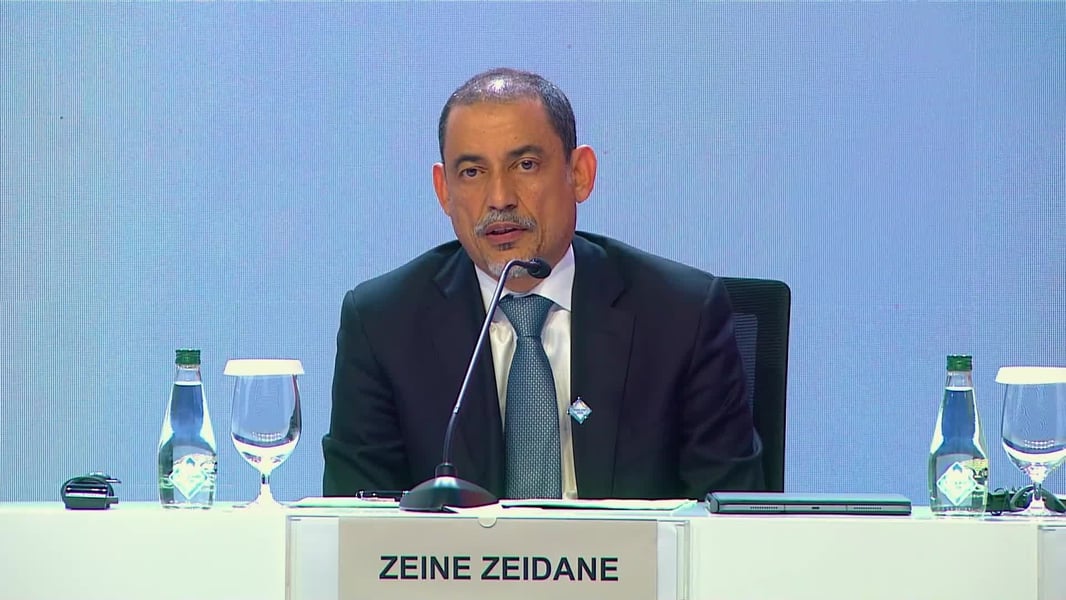

BANGKOK — African finance ministers are heading into 2027 with a thinner cushion than the region’s steady growth suggests, the International Monetary Fund’s Africa chief said on Thursday. His warning came two days after the IMF Hormuz forecast, which the fund’s regional update says assumes a gradual reopening of the strait.
Zeine Zeidane, a former Mauritanian prime minister and central bank governor who now runs the IMF’s African Department, said sub-Saharan Africa should grow 4.5 percent in both 2026 and 2027, 0.2 points above April’s forecast for this year. He put the limit plainly: “resilience is not immunity.”
The headline number hides a split. Oil exporters’ current-account surplus is projected to widen from 1.6 percent of GDP to 4.4 percent this year, while the deficit of economies without large resource exports widens from 3.4 percent to 5.8 percent. Those economies still grow fastest, at a projected 6.0 percent, but the report says steady growth “masks different country experiences.”
Two bills are arriving together. Interest payments absorb a median of about 12 percent of government revenue, the IMF’s regional update said, and bilateral aid, which fell by roughly a quarter in 2025, is projected by the OECD to fall a further 12 percent this year. That aid figure is the OECD’s projection, not an IMF count, and the update names no donor behind the cuts.
Prices are the next squeeze. Median inflation is projected to climb from 3.4 percent in 2025 to 4.3 percent this year and 5.0 percent in 2027, with fertiliser prices forecast 26 percent higher than in 2025. The Hormuz fertiliser plan the UN says it can start within 10 days of a yes from Iran and the United States had drawn no public answer from either capital as of Wednesday.
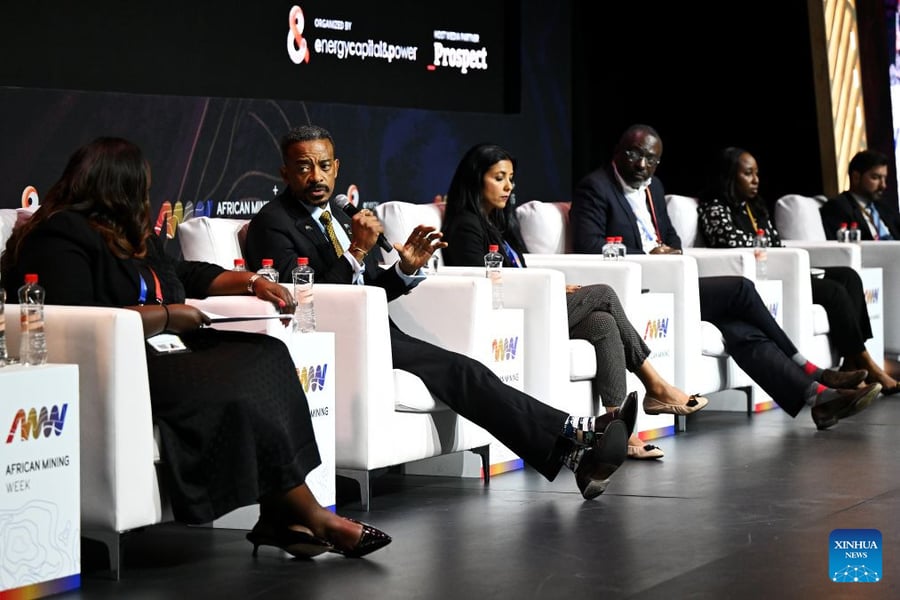
Relief is where governments are spending badly, in the IMF’s telling. Only about one in seven announced fiscal measures was classified as targeted, and an illustrative 19-country comparison puts generalized fuel-price smoothing at about 4 percent of GDP, against at most 0.5 percent for transfers that protect the poorest 40 percent. According to the IMF’s briefing release, Zeidane told commodity exporters to save most of their windfalls, including by repaying costly debt.
The risks he listed are not hypothetical. Forecasters are already tracking an El Niño record in Pacific heat, which the update says could hit agriculture, hydropower and infrastructure, with effects running into 2027.
The update also calls the Congo Ebola outbreak worsening and warns of trade and health-spending spillovers for its neighbours. It does not say which government, with interest already taking a median 12 percent of revenue and aid shrinking, would pay for a second shock.