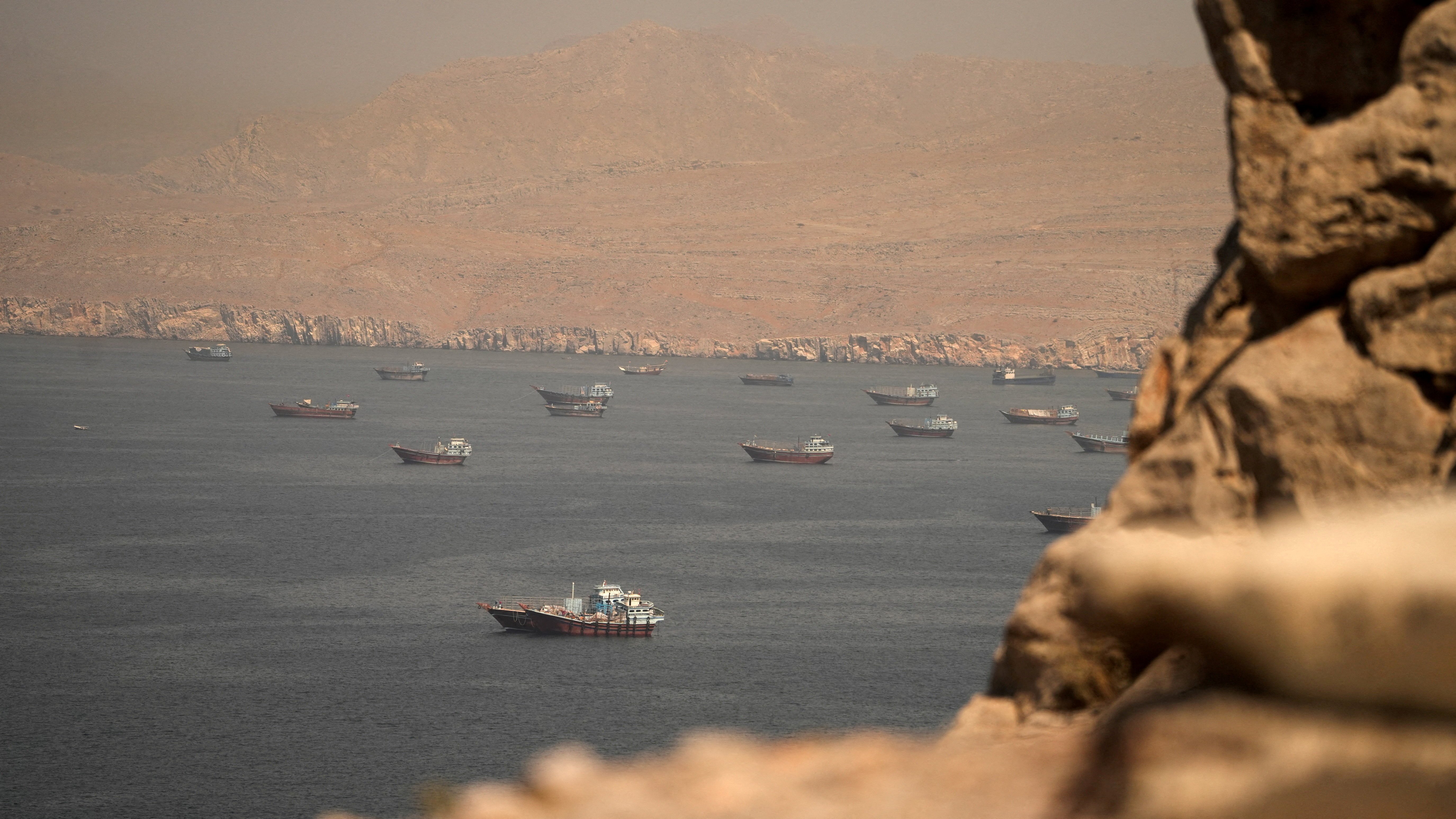

DUBAI – For three months, oil markets carried the most expensive geopolitical premium since the 1970s. On Thursday, they gave almost all of it back.
Brent crude futures for August delivery fell to $70.82 a barrel at 04:30 GMT, touching pre-conflict levels for the first time since February 28, the day before Iran and the United States went to war. From its peak of more than $126 a barrel on April 30, Brent has now shed more than 38 percent in ten weeks, an unwinding that has moved faster than most traders anticipated when the Strait of Hormuz reopened under the memorandum of understanding brokered by Qatar in June, Al Jazeera reported.
The fall matters to everyone who buys fuel, not only to traders. Airlines, shipping companies, and manufacturers that spent the spring absorbing triple-digit oil prices are now looking at a cost structure that resembles early 2026, before the conflict upended the world’s most critical shipping lane.
But the market is making a bet that markets are not always right to make. The Strait of Hormuz, through which roughly one-fifth of global crude supply (about 20 million barrels a day) flowed before the conflict, is nowhere near a full recovery. As of Tuesday, 40 vessels had transited the strait. Before the war, that number was approximately 130 a day.
Vandana Hari, founder of Vanda Insights, described the current environment as one driven by “cautiously optimistic geopolitical sentiment” rather than a genuine supply rebalancing. “Several key issues in the MoU remain unresolved,” she said, “but the two sides appear to have backed off confrontation.” Neil Crosby at Sparta Commodities was more direct: this is, he said, “by no means a stable or sustainable situation.”
The gap between price sentiment and shipping reality is visible in the numbers accumulating just outside the strait. Iranian crude ready to sail has surpassed 20 million barrels, up 18 percent over the past week. Tankers loaded and waiting to move their cargo, accumulated during five months in which Iran’s oil exports operated under severe sanction and insurance pressure, now hold between 58 and 68 million barrels in aggregate. How quickly that volume reaches buyers will shape prices far more than daily trading sentiment.
West Texas Intermediate, the American benchmark, slipped to $67.74 a barrel, down $0.84 on the session. US crude production reached a record 13.934 million barrels per day in April, adding to a global supply picture that looks dramatically different from the shock that pushed prices above $100 in March.
China is the variable most traders are watching. Beijing imported roughly half its crude from the Middle East before the conflict, making it the most important destination for both Iranian buffer stocks and Persian Gulf producers eager to rebuild volume. Mohammad Reza Farzanegan, who studies Iranian energy economics, cautioned that the surplus forecast should not be treated as settled. “The market is now pricing a recovery of Hormuz flows,” he said. Whether that recovery materialises at pace depends on commercial and diplomatic terms still under negotiation.
There is a structural vulnerability in the June 17 MoU that has received little public attention: US sanctions relief expires on August 21. Kevin Morrison, who has tracked the accord’s terms, said the arrangement “relies on the US and Iran maintaining their agreement and full resumption of oil supplies back to pre-conflict level.” That expiry date creates a hard deadline the market is not yet pricing in. Separately, Iran’s parliament passed legislation authorising transit tolls on vessels using the strait, a measure the MoU appears to have deferred but not resolved.
Qatar’s mediation continues. Negotiators in Doha this week described “positive progress” in talks, though no permanent agreement has been announced and no timeline has been set.
Saudi Aramco resumed spot crude sales through Hormuz after the MoU was signed, and the recovery in strait traffic has allowed the kingdom to normalise export volumes. The 49 attacks recorded on shipping in the strait since the war began in February have left a different residue: marine war-risk insurance premiums, though sharply lower than their wartime peak, have not returned to pre-conflict levels, and underwriters are pricing a corridor that can become contested again.
By Thursday, 35 oil tankers had exited the strait, a figure approaching pre-war single-day transit rates for the first time. The arithmetic of the price drop does not resolve the underlying fragility. At $71 a barrel, Gulf producers, Iran, and the United States can each claim the price is normalising. What $71 does not answer is whether the strait will carry 130 ships a day in September, or whether an unresolved clause in the MoU will put the insurance market, and then the oil market, back on alert before August 21.