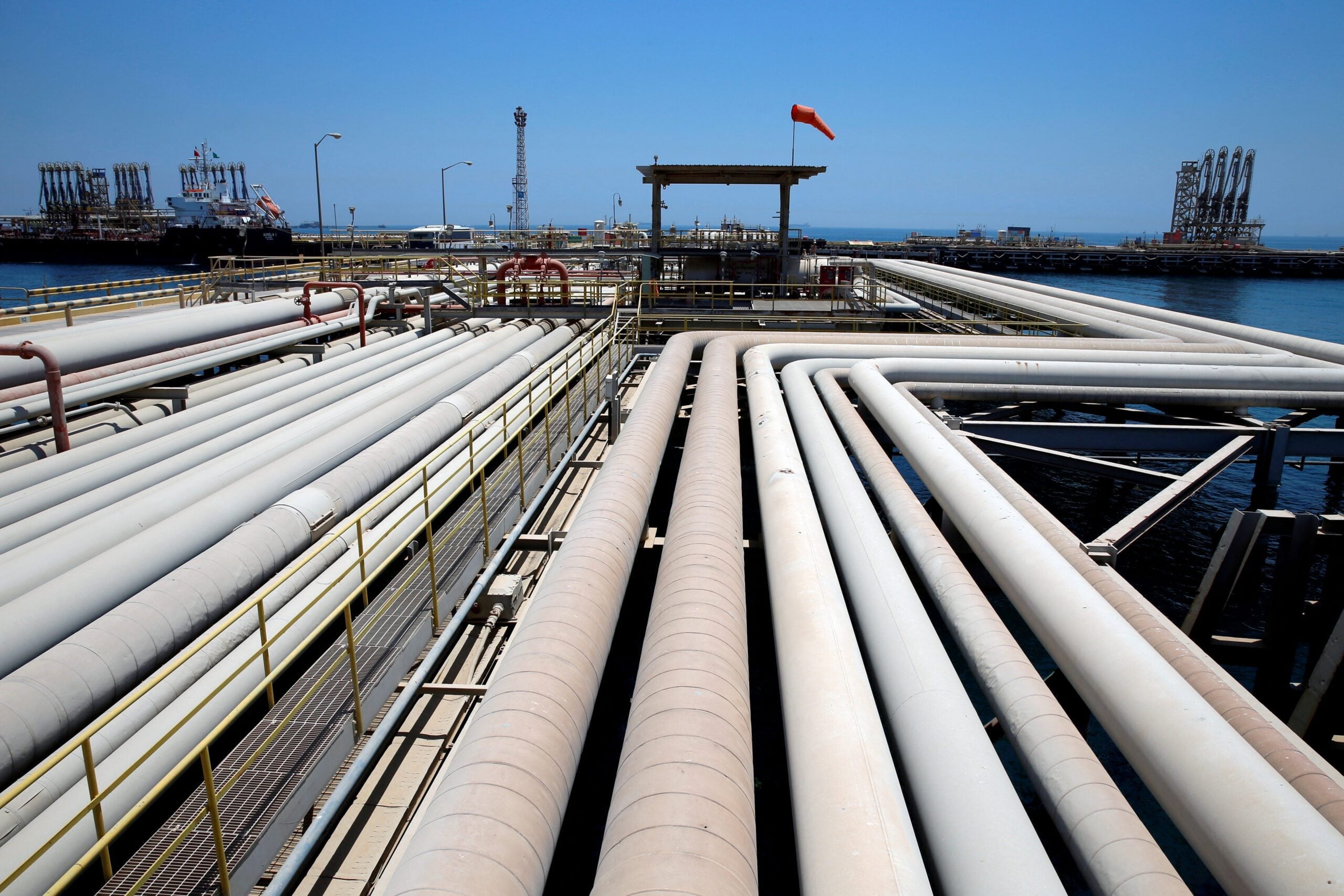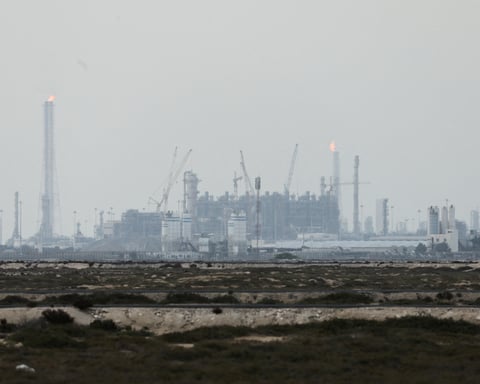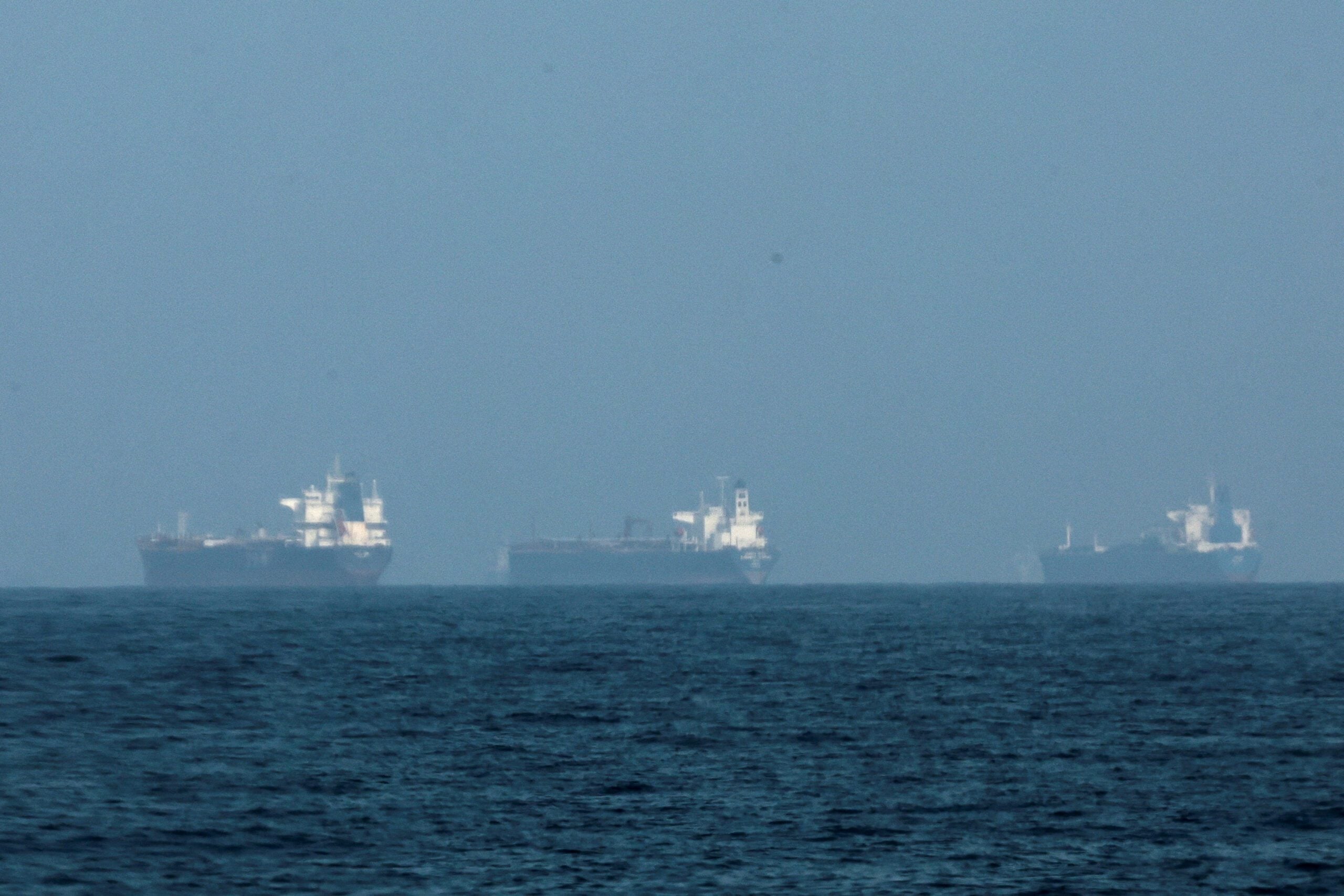

TEHRAN – Iran sold roughly 40 million barrels of crude oil in the first two weeks after the Islamabad MoU was signed, according to CNBC, at a 20 percent premium over the prices it was receiving under maximum US pressure. Mehr News Agency put the export figure at 50 million barrels in the same period, citing a source with knowledge of Iran’s oil operations. The gap between the two figures reflects the reporting environment – Iranian oil trade data has long been inconsistent because much of it routes through intermediaries designed to obscure origin. The direction is not in dispute: Iran is selling more oil at higher prices than it could two weeks ago.
The US Treasury issued a sweeping sanctions waiver on June 22 authorizing Iranian oil sales through August 21 – the same date the 60-day MoU window closes. The structural alignment is deliberate. Washington’s negotiating leverage over the final agreement includes the ability to reimpose those sanctions at the deadline; Tehran’s incentive to reach terms before August 21 includes the revenue stream the waiver has already produced. The Doha talks earlier this week produced movement on an additional $6 billion in frozen Iranian assets on top of the oil revenue the waiver is already generating – but both flows stop if the MoU expires without a final agreement.
The 20 percent price premium tells a specific story. Under maximum pressure, Iranian crude traded at a steep discount to Brent – sometimes $15 to $20 per barrel below benchmark – because buyers were absorbing legal and financial risk in purchasing sanctioned oil. With the waiver in place, the discount compresses. Iranian crude can now be priced at or near legitimate market rates. At Brent near $73 per barrel, a 20 percent premium over the discounted baseline translates to roughly $10 to $15 per barrel in additional revenue. Across 40 to 50 million barrels, that is between $400 million and $750 million in incremental revenue over two weeks – before accounting for the $6 billion in frozen assets moving separately.
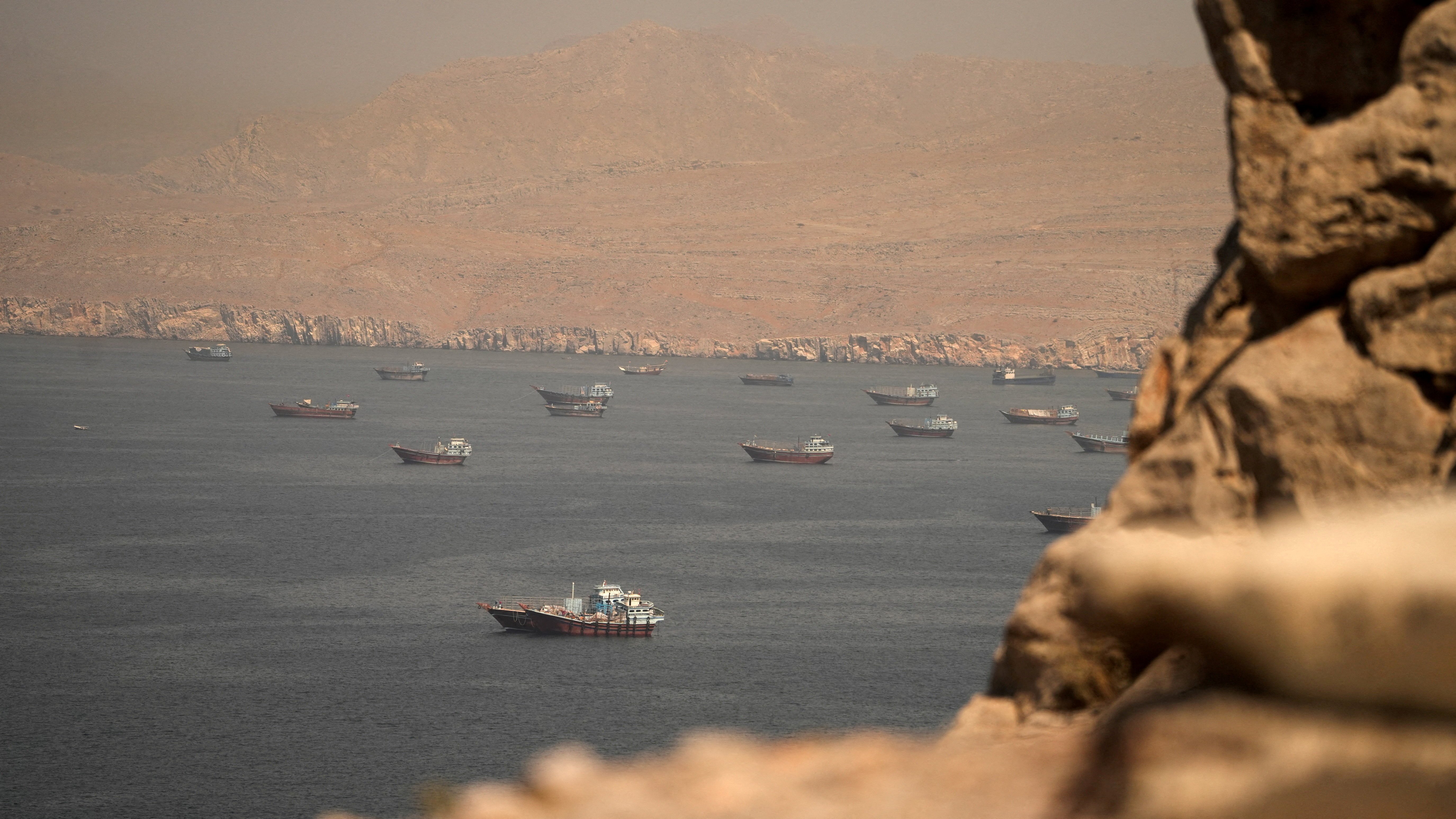
Iran’s assertion of corridor authority in the Strait of Hormuz is a parallel signal: the transit framework Iran has built with Oman, routing commercial vessels through a designated northern-shore corridor, is also part of the economic architecture Tehran is constructing around the waiver period. The corridor concentrates transit data and positions Iran to make the economic case that it is a functional partner in Hormuz management – an argument that becomes more credible the more oil moves through it on schedule.
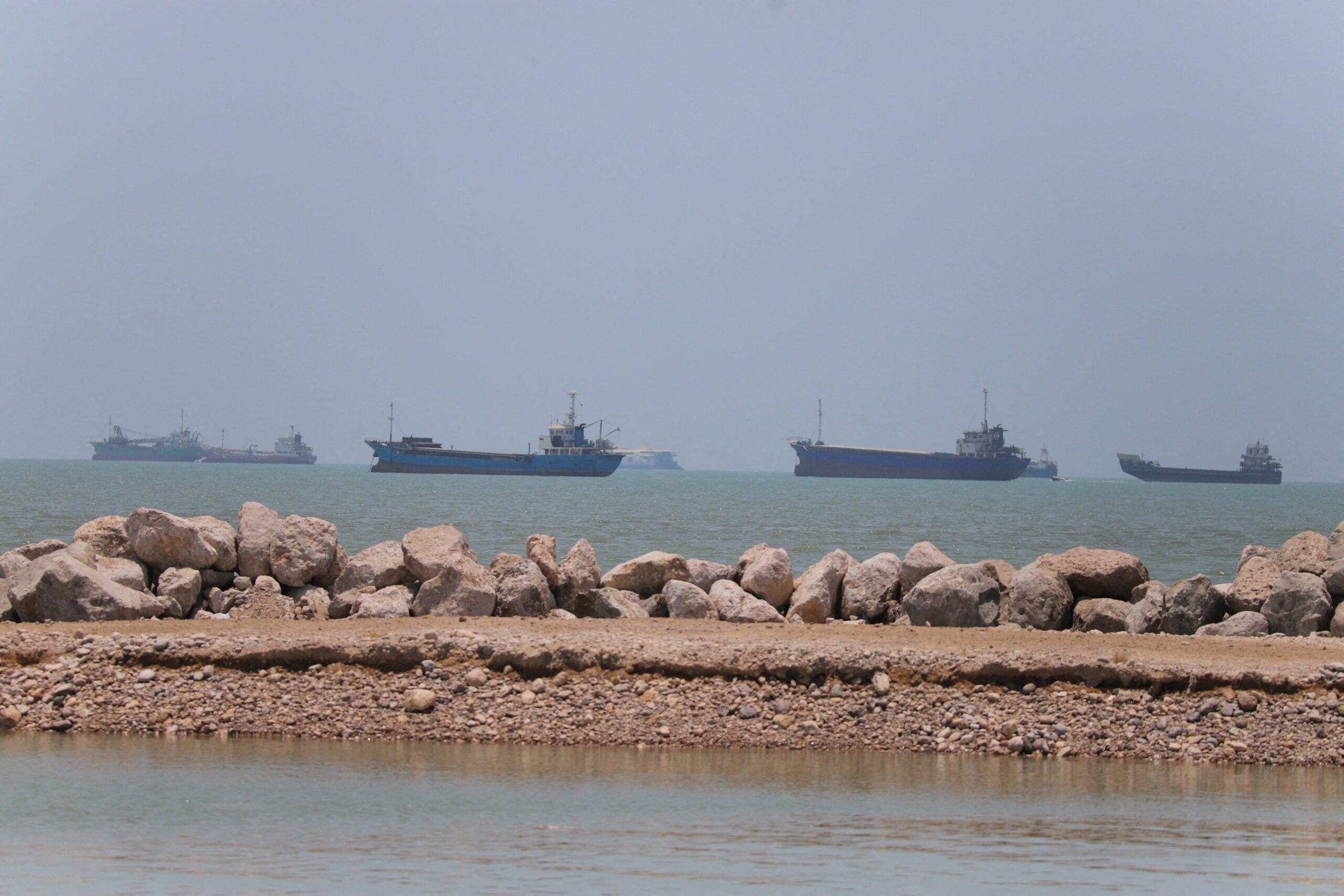
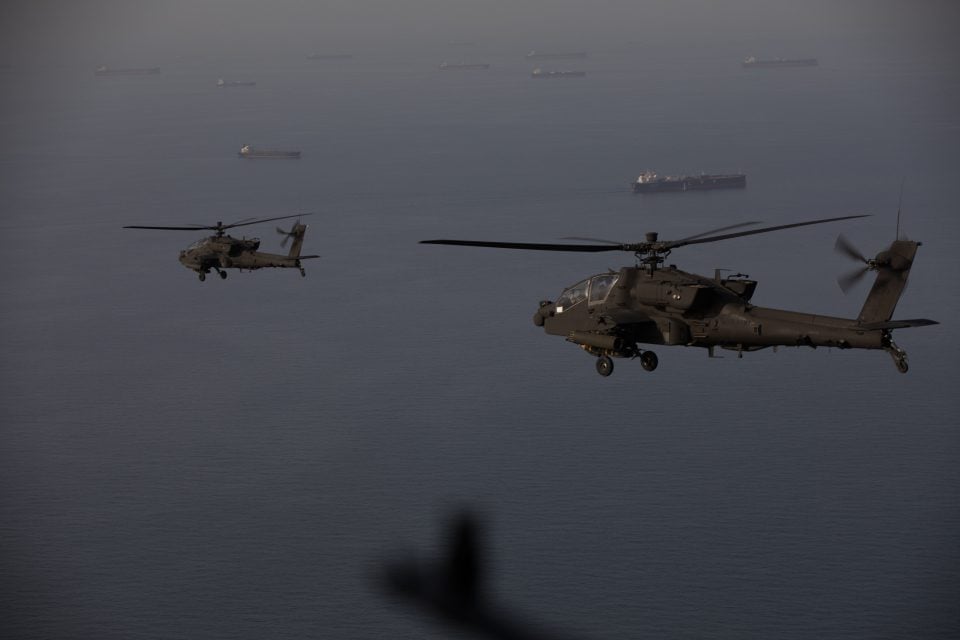
What has not shifted is the war-risk insurance classification. Shipping underwriters still classify the Strait of Hormuz as a warlike operations area, which means the war-risk premium on every vessel transiting the waterway remains elevated regardless of what diplomats have agreed in Doha or Islamabad. That premium is a cost imposed on buyers of Iranian oil and on all Hormuz traffic. It will not come down until underwriters decide that the political resolution required to end the elevated-risk designation has been reached. The MoU’s suspension of oil sanctions was the necessary but not sufficient condition for the premium to fall: what the insurance market requires is resolution of the Hormuz toll question and IAEA access – neither of which the latest Doha round produced.
India’s position is the complicating variable. Indian refiners were among the primary beneficiaries of maximum-pressure discounts, purchasing Iranian crude through gray-market channels at prices that reflected the sanction risk. Those channels and the relationships sustaining them are still in place. The Economic Times reported that Indian refiners were unlikely to rush for Iranian oil despite the waiver, partly because the August 21 deadline creates supply uncertainty: a refiner who contracts Iranian crude now is exposed if negotiations fail and sanctions reimpose in seven weeks. The largest buyers moving Iranian volumes in the waiver window remain Asian intermediaries with existing Iran-exposure frameworks, not new entrants testing a durable post-sanctions market.
The export surge Iran is executing in the waiver window is therefore happening in a market that is partly skeptical of its durability. Forty to fifty million barrels in two weeks is above Iran’s pre-maximum-pressure export pace, which analysts read as Iran liquidating storage volumes that accumulated during the blockade. Sustained export capacity at that rate would require the resolution of exactly the questions the Doha talks deferred: a Hormuz framework that lowers insurance costs, and a nuclear agreement that takes the August 21 sanctions reimposition off the table. The revenue Iran has already captured in the first two weeks is real. According to CNBC, Iran is now selling crude at a 20 percent premium to blockade-era prices – a gain that disappears if the MoU framework fails and maximum pressure returns. The remaining 45 days of the window are, among other things, a race between Iran’s ability to bank enough gains to have a stake in the deal’s success and Washington’s ability to hold the sanctions lever credibly enough to force the harder concessions the deal still requires.