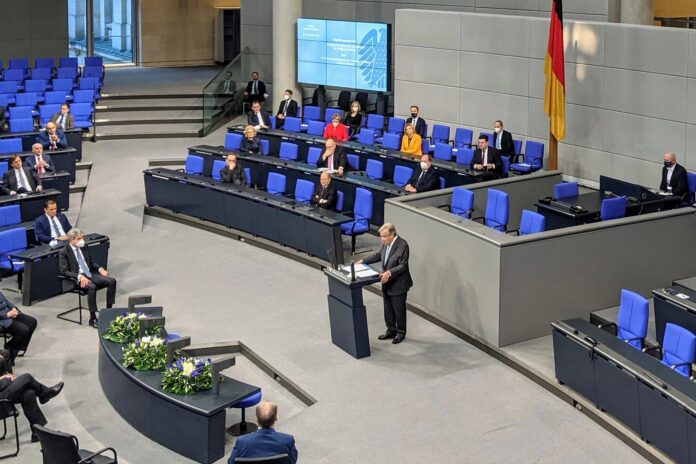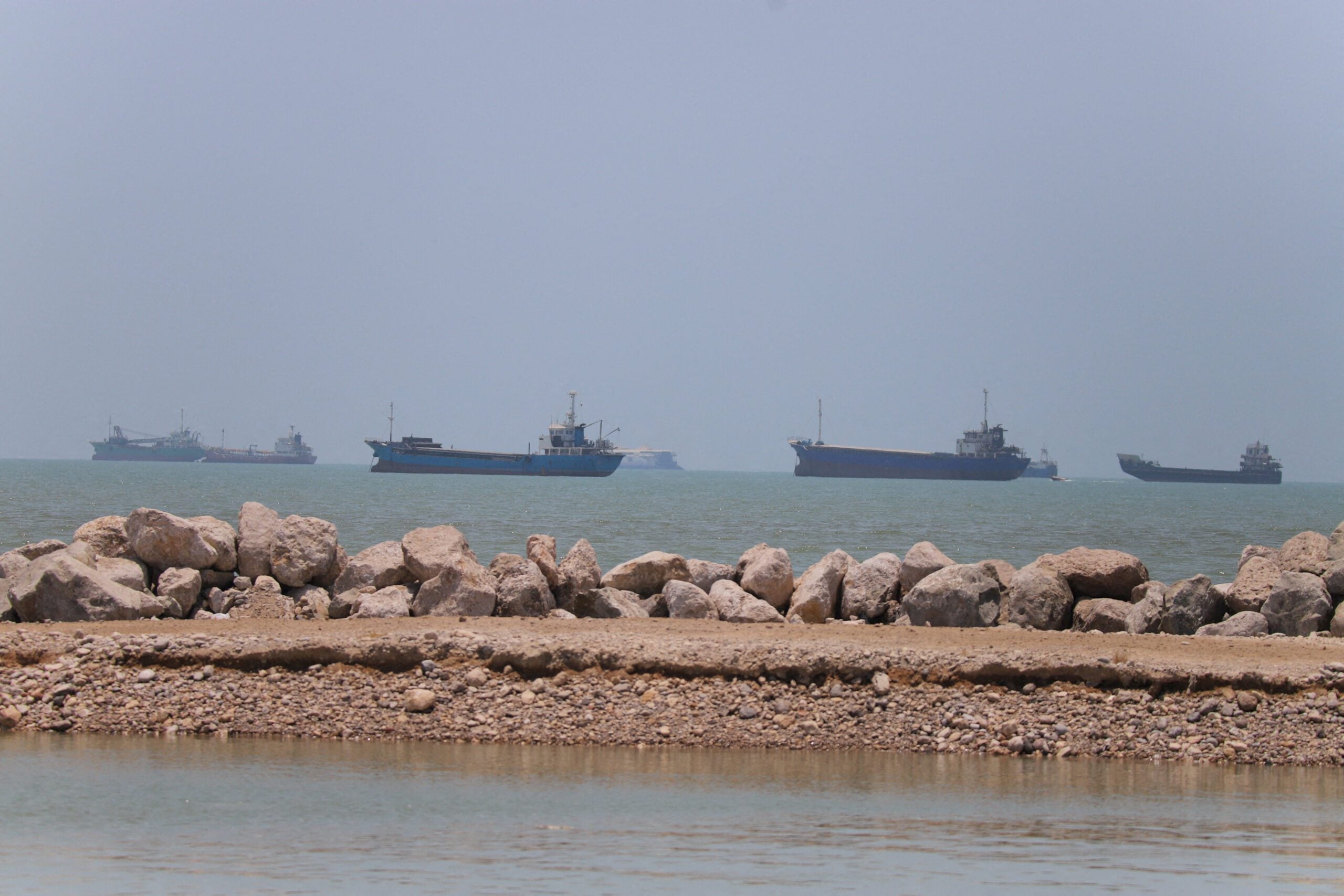

BERLIN – Germany’s Defense Minister Boris Pistorius has a blunt explanation for why the Bundeswehr’s minesweeper and supply ship are sitting in Djibouti at nearly 50 degrees Celsius with nothing to do: “We will not leave our two ships stationed in Djibouti until autumn, simply hoping that something might eventually happen.” It would be better, he said, for German soldiers to spend their summer in Berlin. That statement, offered on Wednesday, was the most direct acknowledgment yet that Europe’s Hormuz naval mission has quietly collapsed.
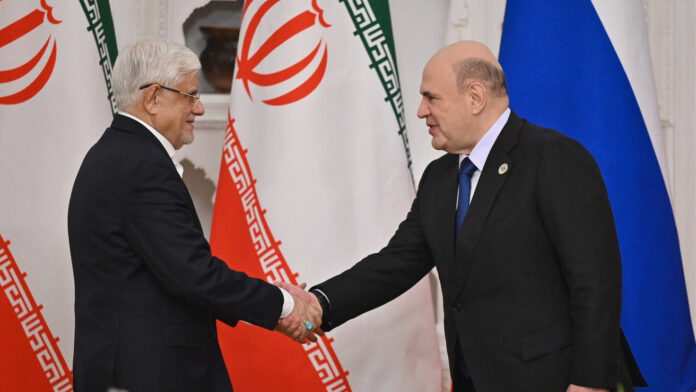
On the same day, Iran’s Deputy Foreign Minister Kazem Gharibabadi posted on X: “Hormuz is defined under Iran’s command, not CENTCOM.” The post was a direct response to a US-convened military coordination meeting in Bahrain. Iran argues that any regional security architecture in the Strait of Hormuz must reflect what Gharibabadi called “new geopolitical realities” – which is a diplomatic way of saying Iran expects to emerge from the current negotiations as the strait’s effective authority.
The two statements, made thousands of miles apart, describe the same outcome from opposite ends. Iran is claiming command authority over the waterway. Germany is withdrawing the ships it positioned to contest that authority. Neither government has explicitly acknowledged the connection, but the sequence is not difficult to read: the European naval mission that transited the Suez Canal in mid-June and anchored in Djibouti never received a viable mandate. Iran rejected France’s proposal for joint mine-clearing operations, which had been the operational rationale for the European presence. Without that mandate, the ships have no function.
Iran and Oman have been building a joint Hormuz management framework through a bilateral committee established in late June, with Iran directing commercial traffic to use a designated corridor near its northern shore. The Iran-Oman structure deliberately excludes Western naval involvement. Iranian sources told Reuters that Tehran seeks lasting control over the strait as a structural condition of any permanent MoU – not as a temporary posture during the ceasefire window, but as the endpoint of the negotiations.
The US position is that the strait is an international waterway governed by transit passage rights under the UN Convention on the Law of the Sea. CENTCOM has not accepted Gharibabadi’s framing. But oil markets have already priced in a diplomatic resolution rather than a military one: Brent crude fell to $70.65 on Wednesday, its lowest level since before the US-Israeli strikes in February. That price signal is the market’s assessment of who controls the strait – and the market is not betting on CENTCOM.
Germany’s withdrawal is significant beyond its immediate military weight. The Bundeswehr’s minesweeper Fulda and supply ship Mosel were sent as part of a European posture that was meant to signal Western credibility in enforcing freedom of navigation. Their recall – before a single mine was cleared or a single transit was escorted – signals something different: that European governments have concluded the strait question will be resolved through the Iran-Oman framework and the Islamabad MoU, not through naval enforcement. Pistorius did not say the mission failed. He said it had nothing to do.
The Doha talks this week produced a communications hotline and movement on frozen Iranian assets but did not resolve the Hormuz navigation question. US envoys specifically pressed Iran to abandon the proposed toll regime; Iran did not agree. What Iran agreed to is the 60-day toll-free window established in the June 17 MoU, which expires in mid-August. After mid-August, the question of who controls the strait – and on what terms – is exactly what Gharibabadi was describing on Wednesday.
Whether Gharibabadi’s X post represents settled Iranian government policy or the Deputy Foreign Minister staking out a maximalist position ahead of the Khamenei funeral is not clear from the statement alone. Iranian officials have sent mixed signals on Hormuz throughout the ceasefire period, with some emphasising the toll framework and others emphasising sovereign control. What is clear is that Germany has decided not to wait for the ambiguity to resolve itself. Pistorius said German soldiers would spend their summer in Berlin. They will be watching from considerably cooler temperatures as Iran and the United States negotiate who is right.