WASHINGTON — The jazz drummer declined the gig in December, when the board at the John F. Kennedy Center for the Performing Arts voted to attach the president’s name to the building. Chuck Redd had a Christmas Eve concert booked. He would not play there.
On Tuesday, a federal judge made the institution pay for trying to force him to. The Kennedy Center must reimburse Redd more than $252,000 in legal costs after suing him for the cancellation and losing, NPR reported. The ruling converts what the Kennedy Center framed as a breach-of-contract dispute into something more legible: a federally connected institution brought a lawsuit it could not win against a musician who declined to participate in the president’s branding exercise, and the courts noticed.
The Kennedy Center’s decision to rename itself, formally adding Trump’s name to the marquee following a December 2025 board vote, triggered a wave of artist withdrawals. Redd was among those who declined to continue with scheduled engagements. What made his case unusual was what the institution did next: rather than absorb the loss of one Christmas Eve concert, it sued him for canceling.
Breach-of-contract litigation against performers who withdraw from bookings is rare in the performing arts. Cancellations happen routinely, for reasons well short of political objection, and contract terms typically provide exit provisions for either side. When the Kennedy Center chose to pursue litigation rather than absorb the loss, it assumed a reputational and legal risk that the courts have now turned into a six-figure obligation.
The legal fee award reflects a principle courts apply when a lawsuit is found to have been brought without justification: the winning party’s attorneys’ fees shift to the losing side. By ordering the Kennedy Center to pay Redd’s lawyers rather than the other way around, the court effectively declared that the institution should not have filed the case at all. That finding carries weight beyond the dollar figure. It means a federal arts institution, operating under a board installed by the Trump administration, used civil litigation as an instrument of cultural compliance and lost.

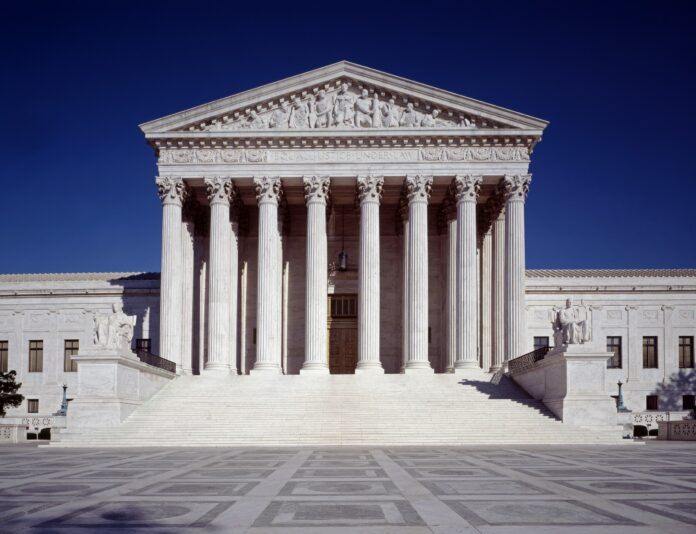
The ruling arrived against a backdrop of sustained legal battles over the Kennedy Center’s identity as a national institution. A federal court in June had found the Kennedy Center renaming unlawful, ordering workers to strip Trump’s name from the building’s marble facade. The same ruling blocked the administration’s plans for a two-year closure of the building for a $700 million renovation. The legal record on the institution now runs consistently in one direction: against the administration’s exercise of control over it.
That impulse toward control has extended well beyond the concert hall. Trump’s systematic attachment of his name to public assets has included Palm Beach International Airport, renamed at a cost of $5.5 million under legislation Florida Governor Ron DeSantis signed this summer. Plans for a 250-foot Independence Arch on the Potomac and a White House grand ballroom extend the project into public space itself. Across all of these cases the pattern is consistent: public institutions are brought inside a presidential brand, and those who do not comply are expected to pay a price.
Federal courts have repeatedly demonstrated that the expectation has limits they will enforce. A judge found the Trump administration’s IRS settlement scheme constituted bad faith this summer, nullifying a $10 billion agreement and referring the acting attorney general to a bar association for potential discipline. The Kennedy Center case is smaller in scope, but the logic runs in the same direction: federal institutions cannot wield the litigation system to penalize those who make a principled and legal choice.
What the ruling does not resolve is whether the Kennedy Center intends to appeal, and what precedent the case sets for other arts institutions operating under political direction. Several performers who withdrew from Kennedy Center engagements following the December 2025 renaming did so without public explanation, apparently calculating that a quiet exit carried less legal exposure than a confrontation in court. Whether that calculation was correct — or whether the vindication Redd now holds changes the calculus for artists who might face similar pressure — is a question the ruling has raised without fully answering. The institution has not said what it plans to do next.