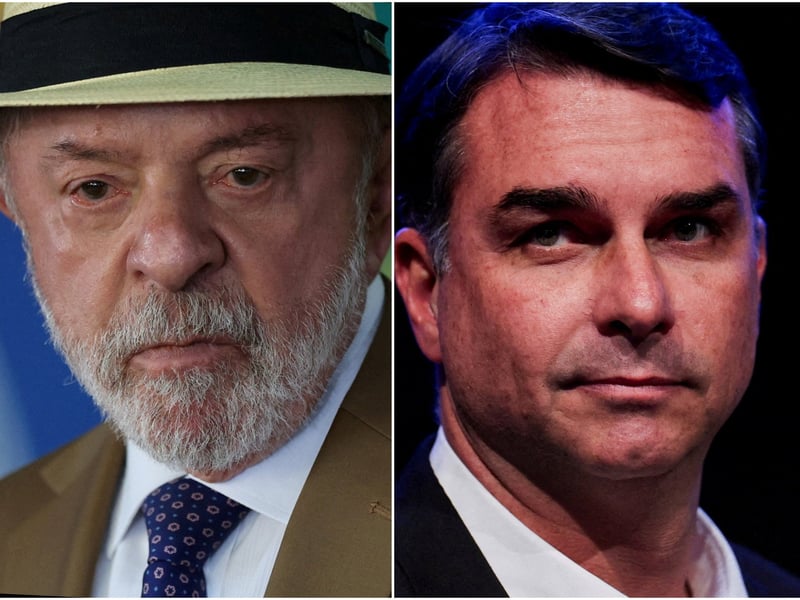

BRASILIA – A minute-long television advertisement broadcast Thursday accuses the president of the United States of trying to turn Brazil back into a colony, a charge Luiz Inácio Lula da Silva’s campaign is now making explicitly rather than by implication.
“Flávio Bolsonaro is Trump’s candidate, and what Trump wants is to colonize Brazil, take our riches, steal our future and leave us in the dust,” a narrator tells viewers in the ad, which aired as Lula and his far-right rival sit essentially tied in the polls nine days before the first round of voting on Oct. 4. Lula, seeking a fourth term, wrote on social media the same day that Bolsonaro wants to “hand our natural resources over to the United States” and that “if it’s up to him, Brazil will become a colony again.”
The State Department has denied meddling. “Any insinuation of a ‘ploy’ to undermine a democratic nation’s election is a baseless lie,” it said last month. But the denial has not settled the question in Brasília, where intelligence officials, opposition candidates and now three dozen members of the US Congress have separately concluded that Washington is doing more than watching from the sidelines.
The campaign ad cited a series of specific claims rather than a general grievance: reports of Big Tech companies working to shape the race, a classified assessment from Brazil’s intelligence agency describing a “critical level” of risk from US interference, and reported ties between the elder Bolsonaro’s campaign and Rockbridge, the conservative donor network co-founded by Vice President JD Vance. None of those claims has been independently verified by Eastern Herald, and the White House has not addressed them individually.
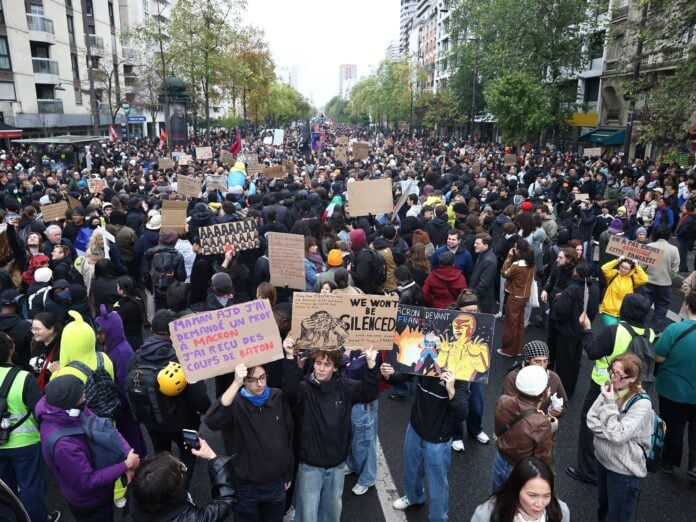
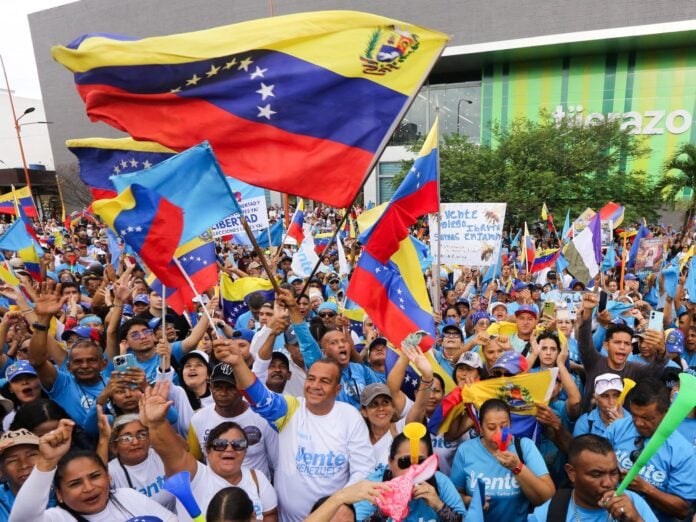
Éden Valadares, communications secretary for Lula’s Workers’ Party, said the ad was meant to “alert the Brazilian people” rather than to change Washington’s behavior. “We don’t believe it will work, but nor will we sit back and do nothing,” Valadares said, adding that Lula had ordered the party to organize street demonstrations nationwide this Sunday.
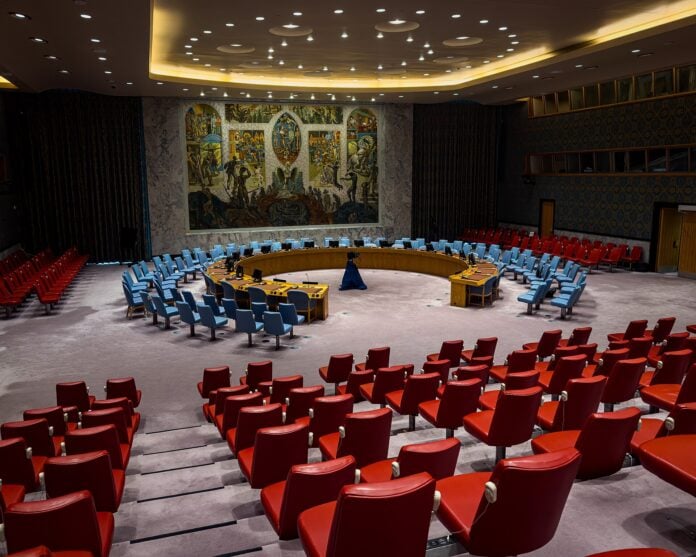
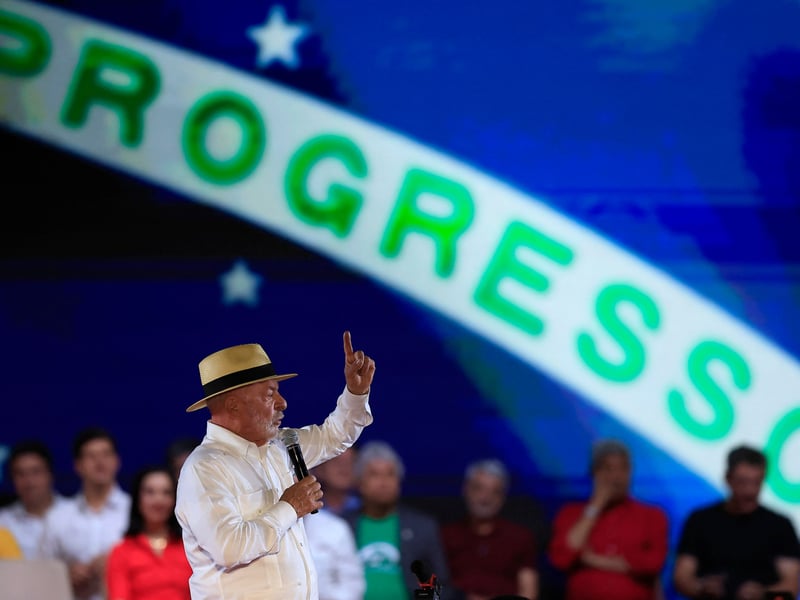
What makes the accusation land, whether or not every detail behind it survives scrutiny, is the economic backdrop. Washington has imposed 25 percent tariffs on Brazilian imports, tied explicitly to a dispute over Big Tech regulation rather than trade imbalances, and revoked the visa of Brazil’s ambassador in the middle of campaign season. Lula has cast that pressure as evidence of intent rather than coincidence, telling the UN General Assembly this week that “we will not allow the enemies of democracy, internal or external, to attack the will of the people. Brazilian democracy belongs to the Brazilians.”
On Friday, 31 Democratic members of the US Congress wrote to Secretary of State Marco Rubio accusing the administration of “acting as an agent of interference and destabilization” rather than defending Brazilian democracy, warning that the pressure campaign risked “inflicting further damage on our relationship with a strategic US ally and trading partner.” The letter asked Rubio to commit, by Oct. 1, to respecting Brazil’s electoral process regardless of the outcome. The State Department has not responded to a request for comment on the letter.
What the letter does not resolve, and what neither campaign can fully answer before Oct. 4, is whether Brazilian voters read the tariffs and the ambassador’s revoked visa as proof of a colonization plot or as the ordinary friction of a trade dispute that happens to coincide with an election. Lula’s bet is that the first reading wins him a fourth term; if a second round is needed, it will be held Oct. 25.