
BRASÍLIA – Brazil’s Foreign Affairs Minister Mauro Vieira called Secretary of State Marco Rubio’s public justification “unacceptable and offensive” on Thursday, hours after Washington announced 25 percent tariffs on thousands of Brazilian goods under a 1974 trade statute. The United States runs a $14.4 billion annual trade surplus with Brazil, not a deficit, a fact Brazilian trade officials say makes the “unfair trade practices” framing hard to reconcile with standard economic definitions of the term.
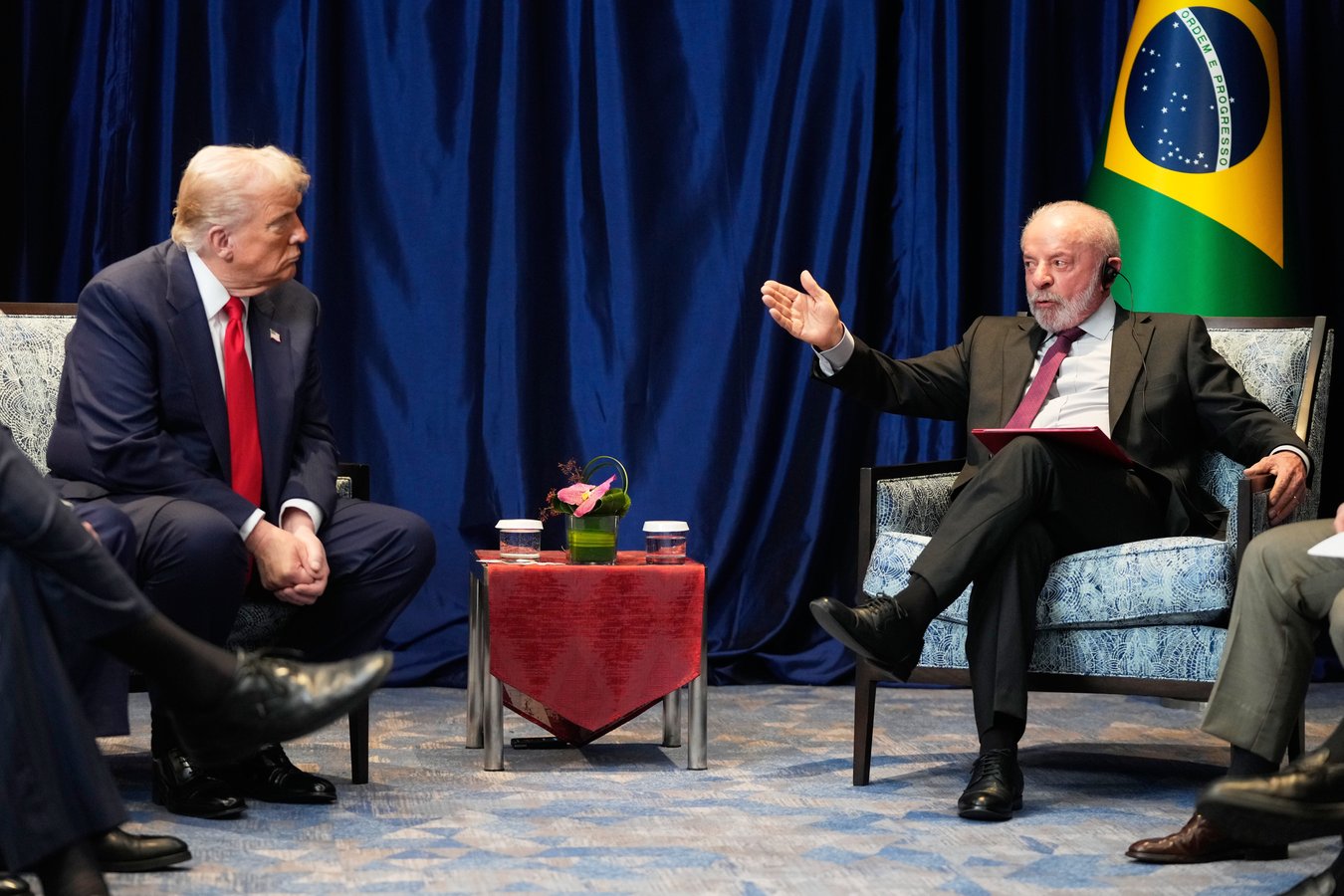
Rubio said Lula “put his own ego ahead of making a deal for the welfare of the Brazilian people” and that the tariffs, set to take effect July 22, were “the price” for that. Vieira’s response came within hours. The foreign minister said Brazil had remained willing to negotiate throughout the past year of review and described Rubio’s framing as bearing no resemblance to the diplomatic process both sides had conducted.
The Office of the United States Trade Representative invoked Section 301 of the Trade Act of 1974 to impose the levy on sugar, steel, paper, and apparel, among other product lines. Beef, coffee, rare-earth materials, aircraft components, and oil and gas are exempt. The USTR identified the exemptions as covering sectors where retaliatory consumer-price risk to American households was judged too high. The announcement followed a twelve-month investigation into Brazilian trade practices.
The stated grounds for the Section 301 action center on digital trade. Brazilian courts have issued orders directing American technology companies, including X, Meta, and Google, to remove certain political content and suspend accounts belonging to United States residents. The USTR investigation also cited preferential tariff arrangements Brazil maintains with Mexico and India, barriers to United States ethanol exporters in the Brazilian domestic fuel market, and weak intellectual-property enforcement. The measures take effect in six days.
Brazilian officials say the digital-trade complaint is inseparable from the domestic prosecution of former President Jair Bolsonaro, whose social-media posts were among the content Brazilian courts ordered removed. Rubio’s phrasing recalled language the Trump administration has used in prior statements about Brazilian judicial proceedings against Bolsonaro, who faces criminal charges tied to an alleged coup attempt following the 2022 election, a prosecution that first triggered American tariff threats against Brazil in 2025. The United States did not explicitly link the tariff action to the Bolsonaro case, but that connection is the operating assumption inside Brazil’s Itamaraty foreign ministry. A similar entanglement of trade pressure with domestic content enforcement shaped the Trump administration’s earlier tariff rounds on Brazilian exports this spring.
The figure Brazil’s side has returned to most consistently is the bilateral trade balance. The United States exported $14.4 billion more to Brazil last year than Brazil exported to the United States, up from a $7.7 billion American surplus in 2024. Section 301 does not require a trade deficit as a predicate for action; it requires demonstrable unfair foreign practices. Still, the growth of the American surplus over the same period the USTR investigation was running has been the central exhibit in Brazil’s public response to the tariff rationale. The USTR statement on Thursday did not address the surplus question.
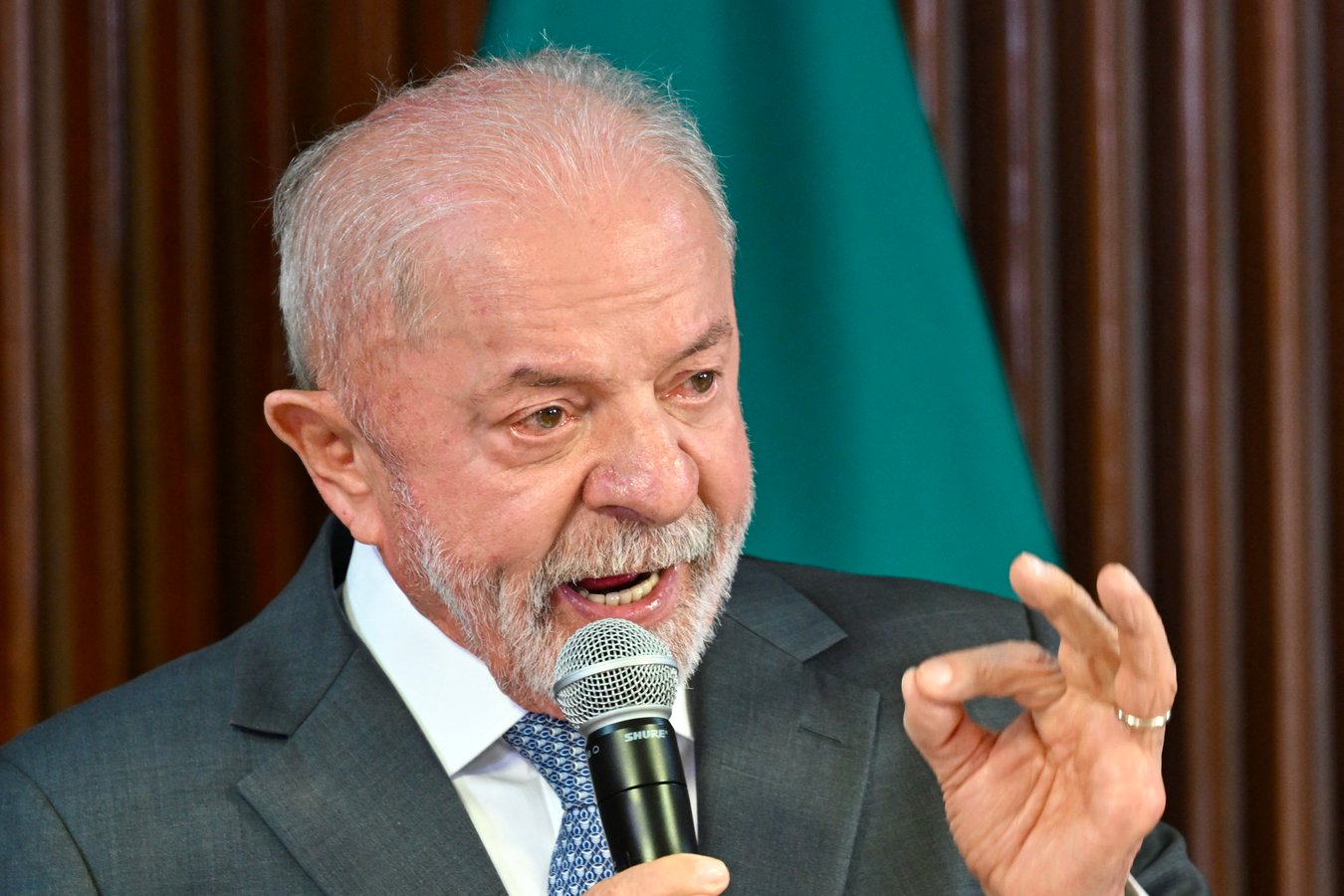
Brazil’s response came the same evening. President Luiz Inácio Lula da Silva posted on X that the tariff decision was “groundless” and that Brazil would pursue formal dispute settlement at the World Trade Organization. The country has also activated its Economic Reciprocity Law, legislation passed in April 2025 designed to enable retaliation against unilateral foreign trade measures. That law’s most specific instrument is the potential suspension of intellectual-property rights held by American companies in Brazil, including pharmaceutical and audiovisual patents. United States pharmaceutical firms generate roughly $12 billion annually in Brazilian revenues. Brazilian trade officials have not yet issued a presidential decree activating the patent-suspension provisions.
According to Al Jazeera’s reporting on the announcement, Brazil’s formal WTO notification of intent to file a dispute-settlement case was confirmed by Vieira on Thursday. The consultation phase under WTO procedures takes a minimum of 60 days before a dispute panel can be established, meaning the July 22 tariff implementation date will proceed without interruption from the legal track. Both governments stated Thursday they remained open to negotiation, the standard position in Section 301 disputes, one that has historically produced last-minute resolution as often as it has produced escalation.
The interval between Thursday’s announcement and July 22 is the window Brazilian and American officials say remains open for a negotiated outcome. What would constitute a resolution is undefined in public statements from either capital. Vieira said Brazil would not accept terms framed around the Bolsonaro prosecution. The Trump administration did not specify what Brazilian actions would satisfy the Section 301 finding. The presidential decree activating Brazil’s intellectual-property retaliation has been prepared but not issued. Whether that threshold is crossed depends on what the next six days produce.