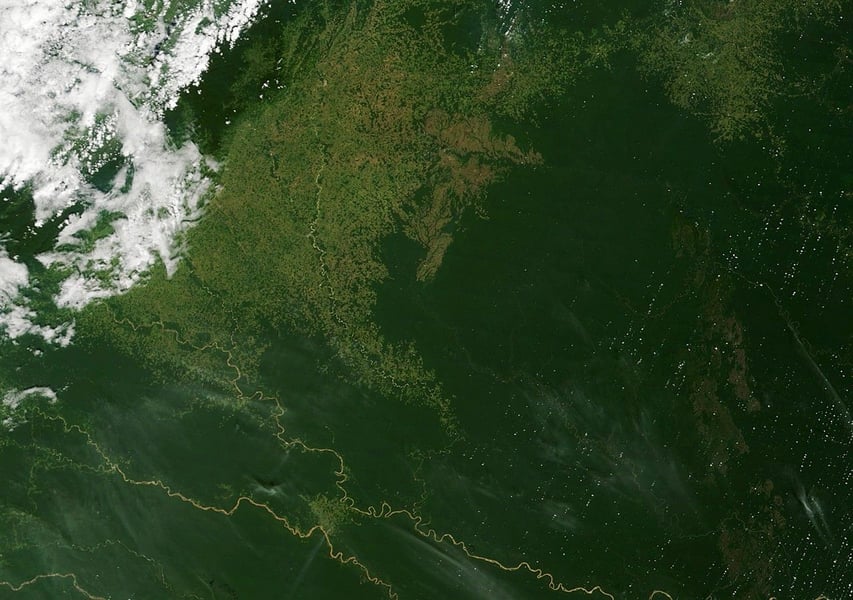

BRASÍLIA — Brazil’s National Institute for Space Research reported on Wednesday that Amazon deforestation in May 2026 was 61.4 percent lower than in the same month last year, and that clearing across the August-to-May period that the agency’s PRODES satellite system uses as its reporting year was down 37.5 percent on the equivalent window the year before. Environment Minister Marina Silva said the trajectory, if it holds through the end of the reporting year on 31 July, will produce the lowest Amazon deforestation total since the satellite record began in 1988. The figures land at the moment the Trump administration is using Brazilian deforestation as the stated justification for a new round of tariffs on Brazilian agricultural and industrial exports.
The political timing was not accidental. Brazil released the May data while the Lula administration was in the third week of its public response to the Trump tariffs, which the White House announced in late May with a fact sheet that referred to Brazilian deforestation as the underlying environmental rationale. The Brazilian foreign ministry’s response, delivered through a sequence of channels including the public release of the INPE numbers, has been that the deforestation argument is not a justification for the tariffs but a cover for them. Politico’s E&E News reported that the Brazilian release was timed to the European Union’s parallel EUDR compliance review and to the run-up to the G7 summit in Évian, which opens Monday.
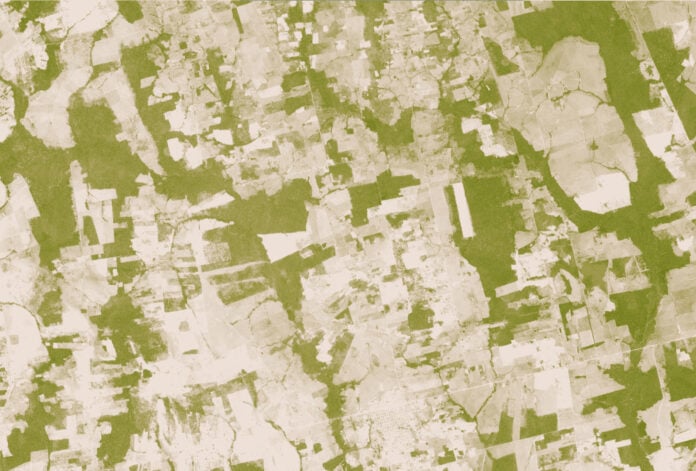
The underlying numbers are the part that matters for the substantive climate ledger. PRODES, the gold-standard Brazilian satellite metric for primary-forest loss, recorded 5,796 square kilometres of Amazon deforestation in the August 2024-to-July 2025 reporting year, an 11 percent drop on the prior year and the lowest annual figure since 2014. The data released Wednesday extends the curve. If the May trend continues for the two months remaining in the current reporting year, the 2025-2026 PRODES total will fall further, and Marina Silva’s working assumption that the figure will reach a 1988-base historical low will be operationally accurate.
The substantive question is what mechanism produced the decline. Three years of Lula-administration policy is the immediate cause: the restoration of the IBAMA enforcement budget that Jair Bolsonaro’s administration had cut by half, the resumption of state-federal coordination on Indigenous territory protection, the operational deployment of the National Public Security Force in the most-deforested municipalities of southern Pará, and the activation of the regulated carbon-market structure that Congress finalised in 2024. The last of these, the Sistema Brasileiro de Comércio de Emissões, is the part with the longest tail. The system began trading in early 2026 and now provides the cost-side incentive for retained forest cover that the previous administration had explicitly removed.
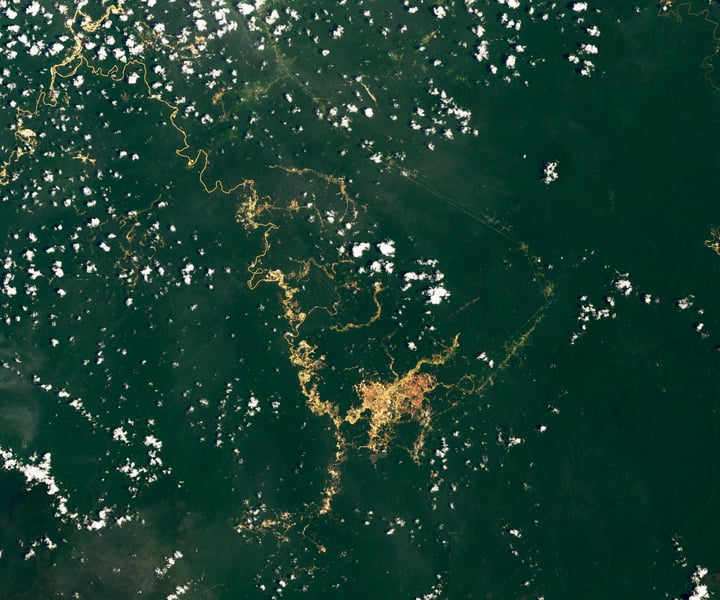
The Trump tariff narrative is the part that bends the political timing. The White House fact sheet attached to the May tariff announcement cited Brazilian environmental performance as the predicate; the Brazilian release of the INPE numbers is the procedural rebuttal. The Lula administration’s substantive argument, delivered through Foreign Minister Mauro Vieira’s public communications, is that the deforestation data contradicts the predicate and that the tariffs are therefore actionable under the WTO’s dispute settlement architecture even before they reach the substantive trade-policy question. The Brazilian filing is expected in the second half of the year.
The European context is the parallel piece of the picture. The European Union’s deforestation regulation, the EUDR, requires that products sold into the EU market be traceable to deforestation-free land. Brazilian exporters, particularly soy and beef shippers, have been working through the implementation phase under the assumption that the EUDR compliance gate will be the binding constraint on access to the bloc for the next decade. The May-2026 INPE figure helps the Brazilian exporters’ case at the EU compliance review currently underway, and the Brazilian government has been explicit that the international audience for the data release was the EU as much as the United States.
The COP30 framing is the diplomatic backdrop. The Belem summit Lula’s administration hosted in late 2025 ended with a commitment package on forest finance and the launch of the Tropical Forest Forever Facility, the multilateral instrument designed to pay forest nations for retained ecosystem services. The TFFF’s first round of disbursements began in March 2026, and the Brazilian government is using the May data to argue that the facility’s pilot phase has produced measurable results sufficient to expand the program. The G7 summit in Évian opens Monday with climate as the eighth agenda item, and the Brazilian negotiating brief there will lead with the deforestation numbers.
The connection to the broader climate week is the same one Brazil has been making since COP30. The Australian COP31 presidency under Chris Bowen, told reporters at the Bonn climate talks this week that the world needs to get off fossil fuels; the European Union finalised its ETS2 carbon-market design; the United States sent California’s vehicle-emissions waivers to Congress for repeal; and on Monday the 11th Our Ocean Conference opens in Mombasa on African soil. The Brazilian May data is the operational counterpart that the climate community has been waiting for. A major emitting nation reducing its largest single climate liability by the volume the Brazilian forest sector has reduced its is the kind of result the rest of the system is supposed to be designed to incentivise.
The risk to the trajectory is the same one every Brazilian environment minister has cited for thirty years. The Cerrado, the savanna ecosystem south of the Amazon, has been absorbing the deforestation pressure that the Amazon enforcement has displaced, and the Cerrado figures have been moving in the wrong direction across the same window. The Brazilian government’s response, included in the Wednesday release, was that the Cerrado satellite-monitoring program is being upgraded and that the next round of enforcement deployment will target the Mato Grosso-Bahia corridor where the Cerrado clearing has been concentrated. The Cerrado is, on a carbon-storage basis, less valuable than the Amazon, but it is not negligible, and the Lula administration’s credibility on the substantive climate question rests on whether the Cerrado curve bends as the Amazon’s has.
The tariff dispute will play out through the WTO calendar, and the deforestation trajectory will play out through the satellite record, and the political question of whose narrative survives the collision is the one the Brazilian foreign ministry has been preparing for. The Trump administration has not commented on the Wednesday release. The Brazilian government’s working assumption is that the May figure will be the lead numerical exhibit on the deforestation question at the G7 summit, the WTO dispute filing, the EUDR review, and the IBAMA’s enforcement-budget defence in front of Congress through the second half of the year. The substantive climate ledger is the same in every venue. The question is whether the political ledger keeps pace.