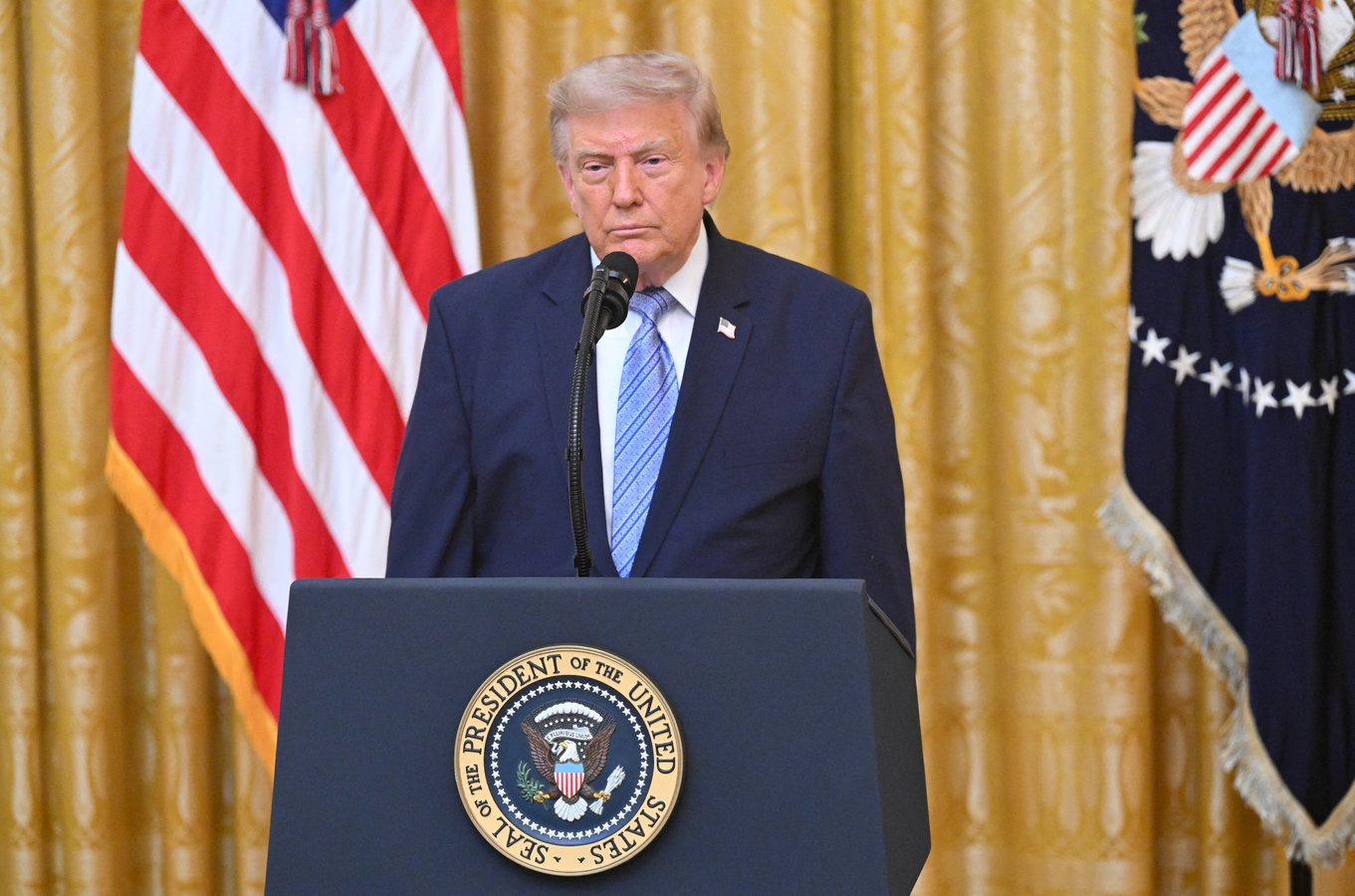

President Trump threatened Friday to increase tariffs on Canada, blaming Ottawa for wildfire smoke that pushed Washington, Chicago, and Detroit to the top of global air pollution rankings. More than 850 wildfires are burning across Canada, including 483 in Ontario alone. Trump called Canada’s forest management “willful negligence” on Truth Social and said he would call Prime Minister Mark Carney. No specific tariff amount was announced.
WASHINGTON – By Friday morning, the air over the US Capitol had turned the shade of dirty orange that public health agencies associate with their highest alert levels. The Metropolitan Washington Council of Governments escalated to Code Purple, the threshold beyond Code Red that health authorities describe as conditions “very unhealthy for everyone,” and meteorologists said the smoke would persist through the day. Donald Trump’s response was to announce a tariff.
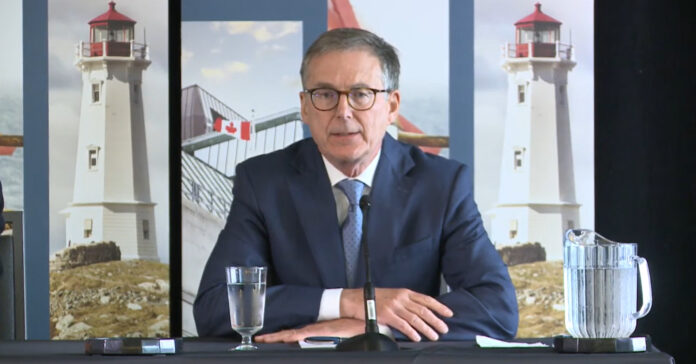
In a post on Truth Social on Friday, Trump blamed Canada for the wildfire smoke choking American cities, accusing Ottawa of “Willful Negligence” in forest management and declaring that the pollution cost “must of necessity be added to the Tariffs Canada is currently paying.” He said he planned to call Canadian Prime Minister Mark Carney to discuss the matter. No specific tariff amount was provided.
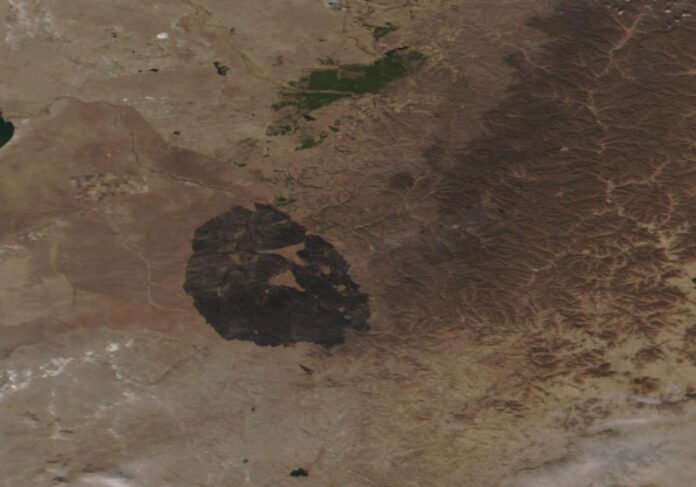
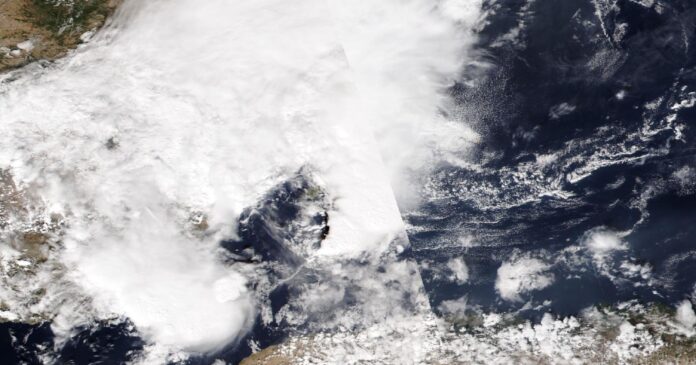
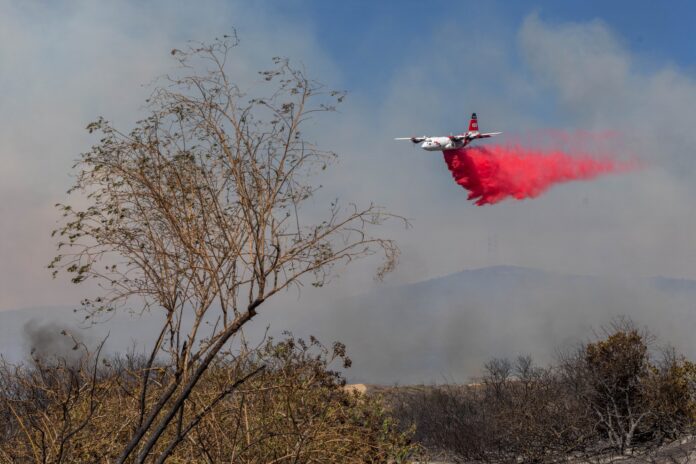
The smoke covering Washington comes from more than 850 wildfires burning across Canada as of Thursday, Anadolu Agency reported, with 483 fires in Ontario alone, up from 351 at the same point in 2025. That count does not include the hundreds of additional fires burning across British Columbia, Alberta, and Quebec. No containment timeline has been announced for the fires producing the heaviest cross-border smoke plumes.
The air quality consequences have been severe. Detroit and Chicago were ranked first and second among the world’s most polluted major cities by IQAir, the independent air quality monitoring service, with Washington placed third. The smoke pushed Toronto and Southern Ontario to issue Code Orange alerts, while the Metropolitan Washington Council of Governments elevated its warning from Code Red to Code Purple, a level at which health agencies recommend that all residents avoid outdoor activity, not only those in sensitive groups.
Wildfire smoke contains toxic gases and fine particulate matter classified as PM2.5, which penetrates deep into the lungs and bloodstream. Health authorities link prolonged exposure to elevated risks of cardiac events, strokes, and asthma attacks. Officials in the DC region advised residents with respiratory or cardiovascular conditions to remain indoors entirely, recommended N95 masks for anyone going outside, and urged postponement of outdoor activities until conditions improved.
Trump’s Truth Social post accused Canada of refusing to “engage in basic Forest Management and Debris Removal,” attributing this to what he called willful negligence rather than the climate conditions that scientists have identified as primary drivers of intensifying wildfire seasons across North America. He did not specify which forest management practices he believed were absent, nor did he address the role of multi-year drought and rising summer temperatures in producing fire seasons that have grown larger in successive years.
Four Republican members of Congress representing Michigan sent a letter to Carney earlier this week, according to Anadolu Agency, warning that the United States “will look elsewhere and act on our own” unless Canada intensified its firefighting efforts. The letter reflected building frustration in border states that have faced repeated smoke events in recent summers, though it offered no mechanism by which American political pressure could compel firefighting operations in sovereign Canadian territory.
The tariff threat arrives in an already strained trade relationship. Trump’s administration refused to renew the USMCA trade agreement earlier this month, converting the $2 trillion North American trade framework into an annual renegotiation cycle rather than a fixed-term pact. Canada has since accelerated efforts to diversify its export relationships toward Asian markets, seeking to reduce the leverage that American tariff threats carry.
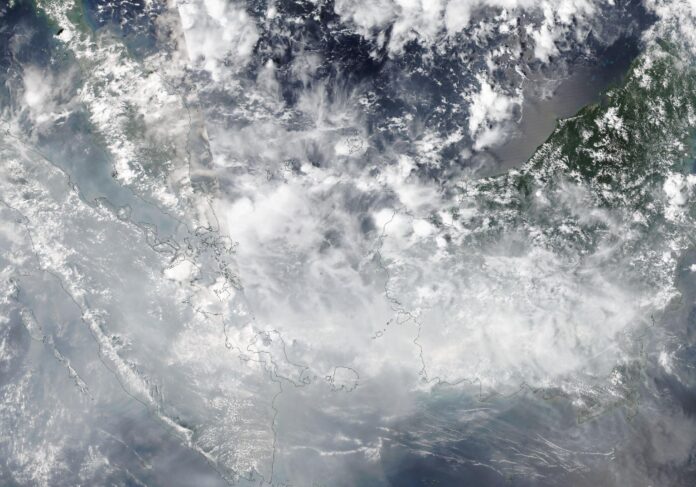
The smoke blanketing Washington on Friday was a worsening of conditions that had already swept across the continent. Wildfire smoke blanketed 20 US states on Thursday, ranking Detroit, Minneapolis, and Chicago among the most polluted cities globally and triggering state-level alerts across Michigan, Pennsylvania, Minnesota, and New England. Forecasters had projected improvement by the weekend; instead, Washington’s air quality deteriorated further into Friday morning.
Ottawa had not issued a formal response to Trump’s tariff threat as of Friday afternoon. No Canadian official commented publicly on the accusation of negligence. Whether Trump’s Truth Social post represented a formal trade policy announcement or a prelude to direct negotiations with Carney remained unclear. The United States and Canada share no binding bilateral agreement governing cross-border wildfire smoke events, and there is no existing mechanism by which a tariff would fund firefighting activity in Canada’s provinces.
The fires burning across Ontario and beyond are moving on their own timetable, indifferent to diplomatic schedules. Meteorologists projected partial relief from the smoke over Washington later this weekend, contingent on wind pattern shifts that had already surprised forecasters once this week. The tariffs Trump threatened would not extinguish a single acre of burning forest. Whether they would produce a phone call between two leaders with limited patience for each other is a separate question, and its answer depends on conditions no model has predicted correctly this week.