
MADRID – Two major wildfires were advancing simultaneously across central and northeastern Spain on Sunday, with the combined burned area approaching 28,400 hectares and Spain’s 2026 wildfire season reaching approximately 70,000 hectares, nearly three times the damage recorded over the same period in 2025.
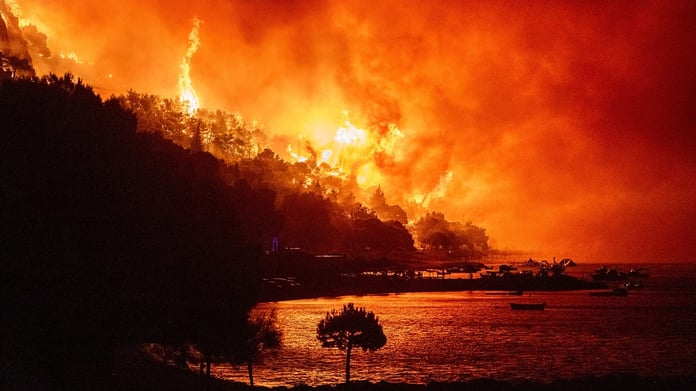
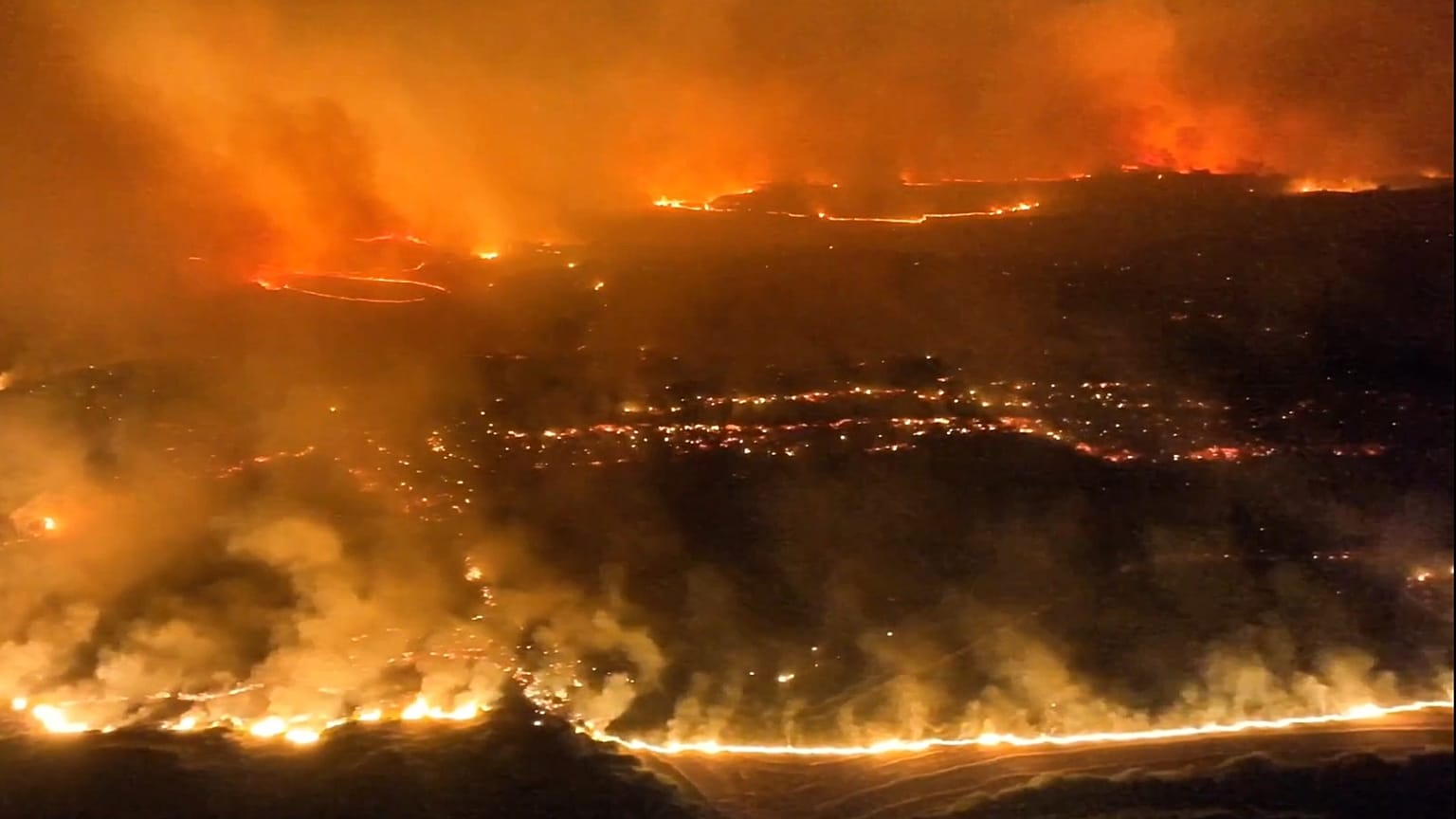
The larger of the two fires, burning in Zaragoza province in the northeast, had destroyed more than 15,400 hectares by Saturday night, Euronews reported. Five villages were placed under evacuation orders, with four more put on alert. Approximately 450 firefighters and emergency personnel were deployed across the Orés fire zone, and officials reported overnight that the blaze was displaying more favourable behaviour after a period of extreme intensity earlier in the day.
The second fire, burning near La Mierla in Guadalajara province approximately 100 kilometres northeast of Madrid, had consumed nearly 13,000 hectares by the same point. Regional authorities said flames were advancing at more than 60 metres per minute at their peak, driven by strong south-westerly winds and vegetation that weeks of summer heat had rendered exceptionally combustible. Sixteen villages were evacuated as the fire spread outward from its point of origin. Spanish officials said the suspected cause was agricultural work involving a combine harvester, though the investigation remained open.
Together, the two fires accounted for more than 40 percent of Spain’s total 2026 wildfire damage. The country had recorded 18 major wildfires by the time the Guadalajara and Zaragoza blazes were dominating emergency resources. The pace represents a sharp departure from 2025, itself a severe season, with the current year’s burned total running at roughly triple the comparable figure from twelve months earlier.
The fires burning in Guadalajara and Zaragoza were the most visible part of a wider national emergency that also included active fires in Huesca province, in Almería, in Granada, and in Málaga, where one blaze was stabilised and residents were beginning to return as of Sunday. A fire in the Madrid region near Lozoyuela had been brought under control after consuming more than 700 hectares. Spain’s emergency services were managing an unusually complex simultaneous deployment as the second full week of July ended.
The scale of the 2026 season reflects conditions that climate scientists have been documenting for years. Earlier this month, a wildfire in Almería province killed twelve people, Andalusia’s deadliest on record, after flames moved with what emergency services described as extraordinary speed through terrain that prolonged heat and drought had turned into fuel. The combination of extreme temperatures, low humidity, strong winds, and desiccated vegetation that produced that fire has recurred across Spain’s landscape as the summer has progressed.
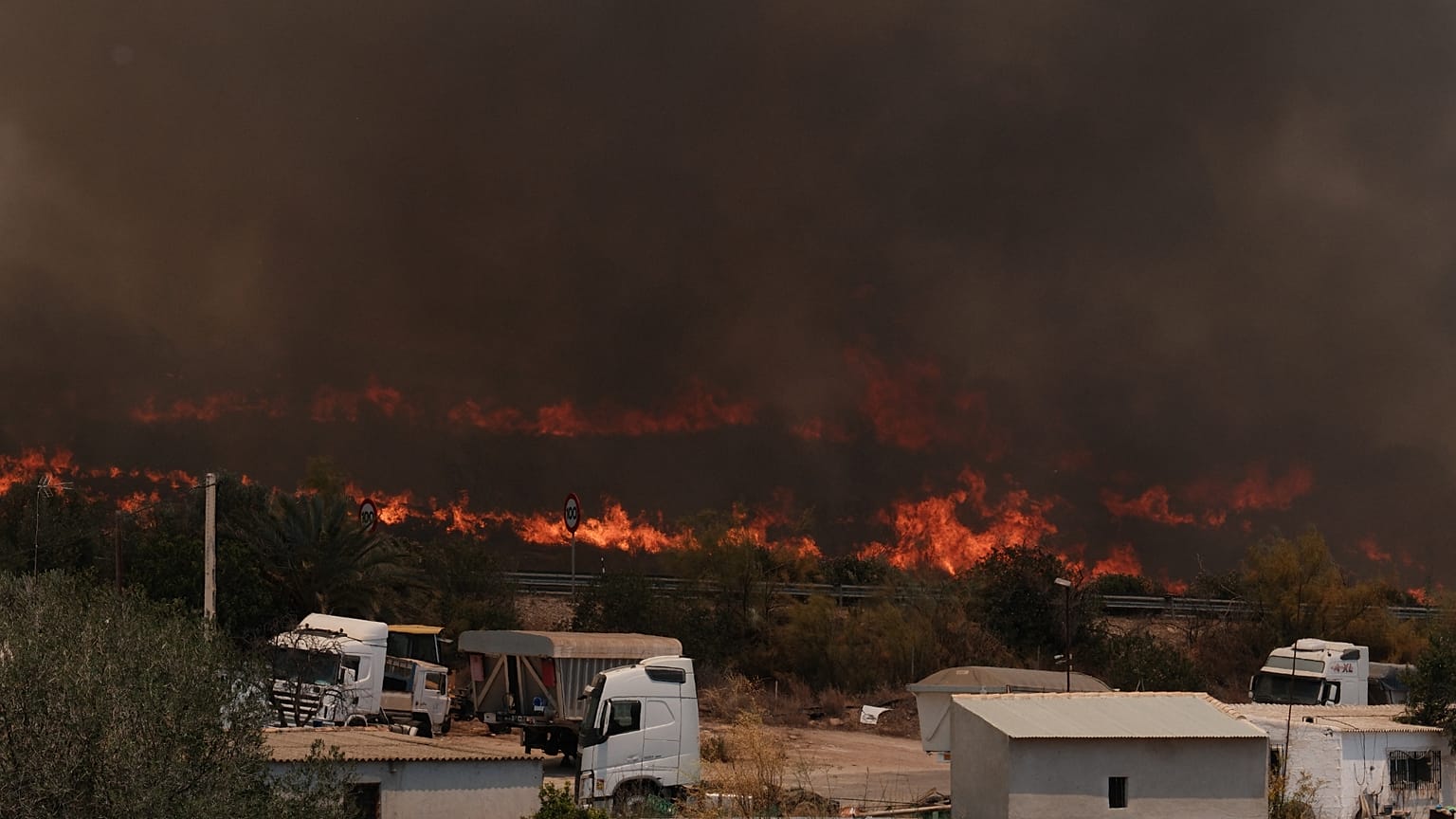
The 18 major wildfires recorded in 2026 represent a structural shift in Spain’s fire season rather than a statistical outlier. The 70,000 hectares burned is already large enough that individual major fires are being absorbed into a national total that makes the aggregate the story: both the Guadalajara and the Zaragoza blazes would each qualify as significant events in any previous summer season, and together they account for less than half the year’s total.
Spain’s wildfire emergency is not isolated. France recorded twice its 2025 wildfire pace by mid-July, including a fire in the Fontainebleau forest near Paris that required the first-ever deployment of waterbombers from southern France to the capital region. Whether it is France managing fires in terrain that historically did not burn or Spain experiencing three times its usual summer fire damage, the pattern across Iberia and Western Europe is consistent.
The Guadalajara fire near La Mierla began Thursday. By the weekend, the 13,000 hectares it had consumed made it one of the largest fires in the province’s recent recorded history. The Zaragoza fire, burning in the Orés municipality, displayed behaviour that officials described as extreme before more favourable overnight conditions brought a period of relative calm. Both fires remained active as of Sunday, and weather forecasts for the coming days did not indicate conditions that would allow for rapid containment.
The suspected agricultural ignition point for the Guadalajara fire points to a recurring tension in wildfire management: the fires that cause the most damage in extreme conditions are often not unusual in origin. A combine harvester operating in dry conditions during a heatwave is a normal piece of summer agricultural work. In 2026 Spain, operating under those conditions means the margin between normal activity and catastrophic ignition has narrowed to a degree that emergency management systems were not designed to address.
What remains unknown, beyond the confirmed cause of the Guadalajara ignition, is how many more major fires the 2026 season will produce before its most dangerous phase concludes. Eighteen major wildfires before the third week of July implies a total season unlike any in recent Spanish history. The current fires may be the largest the year produces. They may also not be. What is already clear from the 70,000-hectare total is that 2026 has moved beyond the range of variation that previous summers defined.
Related Posts