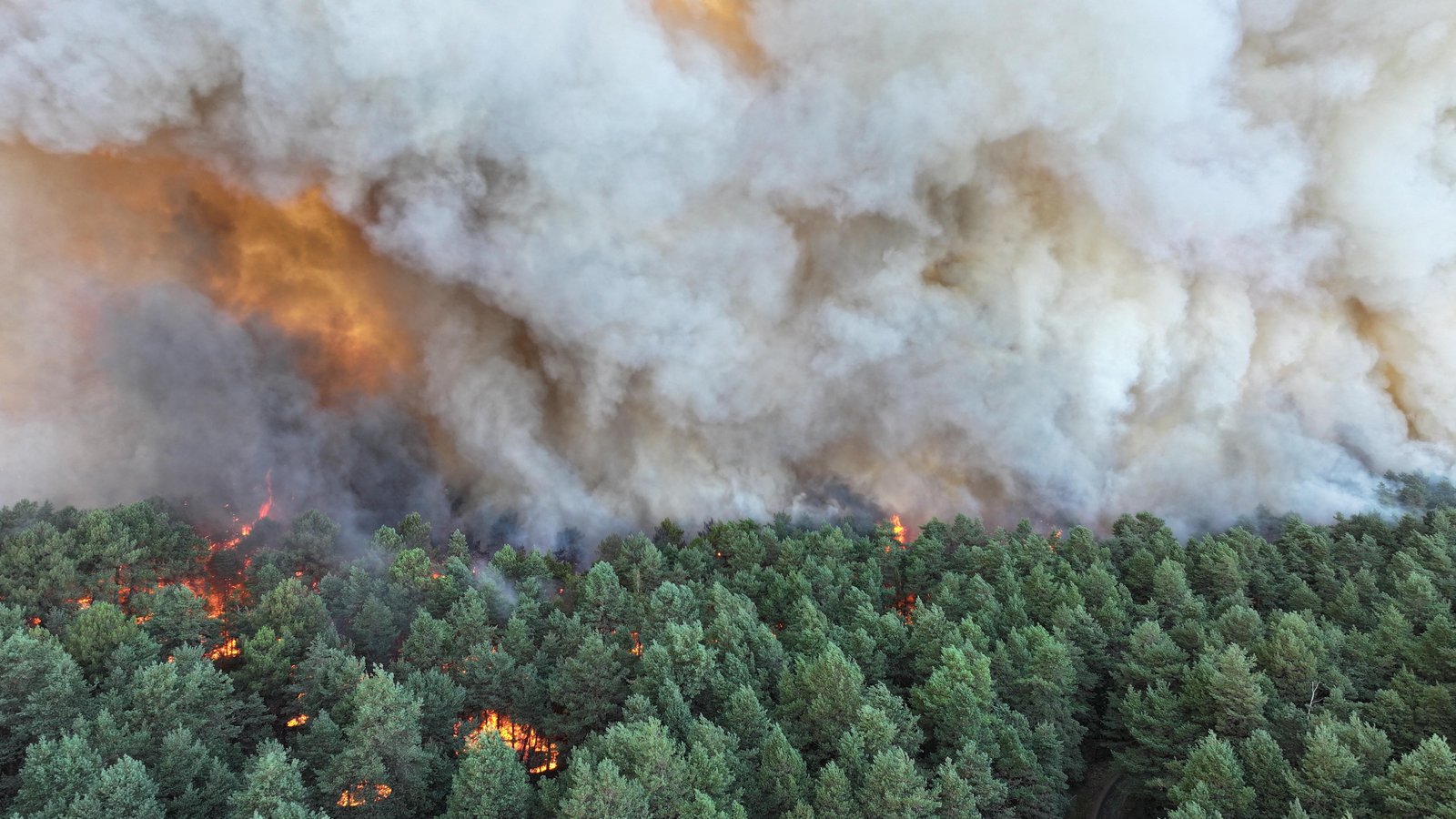

FONTAINEBLEAU, France – The planes came from the wrong direction. Two waterbombing aircraft that typically patrol the fire-prone hills of Provence were scrambled northward on Sunday, crossing hundreds of kilometres to dump water on a wildfire in the Paris region – something France’s firefighting commanders said had never before been necessary.
The Fontainebleau forest, approximately 60 kilometres southeast of Paris and home to one of France’s best-known royal palaces, was burning across more than 800 hectares by early Monday, fanned by hot winds and a sustained heatwave that has gripped Western Europe for weeks. Interior Minister Laurent Nunez said forest fires had already consumed 17,000 hectares across France in 2026, twice the damage recorded over the same period in 2025.
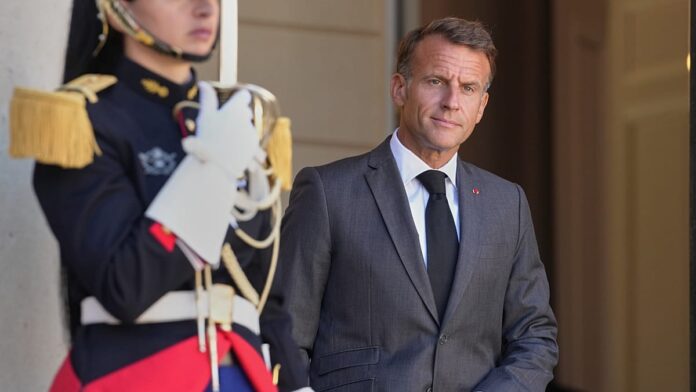
French President Emmanuel Macron described the blaze as a wildfire of “exceptional magnitude,” a characterisation echoed by fire commanders on the ground. The A6 motorway, which connects northern and southern France and runs near Fontainebleau, was partially closed as flames jumped roads and tracks. Fifteen homes in the nearby village of Vaudoue were evacuated. Train services passing through the region were also suspended.
Some 400 firefighters mobilised across several communes, joined by two helicopters and an observation aircraft. Eric Brocardi, a spokesman for France’s national federation of firemen, described the operation as a geographic first. “This was the first time fire-bombing planes had to be sent from the hotter and drier south of France to extinguish fires in the Paris region,” Brocardi said. He added that two firefighting helicopters and an observation aircraft were also sent to contain the fire.
French interior ministry officials announced Monday that two people had been arrested on suspicion of arson in connection with the blaze. Nunez confirmed the arrests without releasing the suspects’ identities. Investigators were examining the role the individuals may have played in starting the fire, set against conditions so extreme that they appear to have given any ignition point maximum destructive reach.
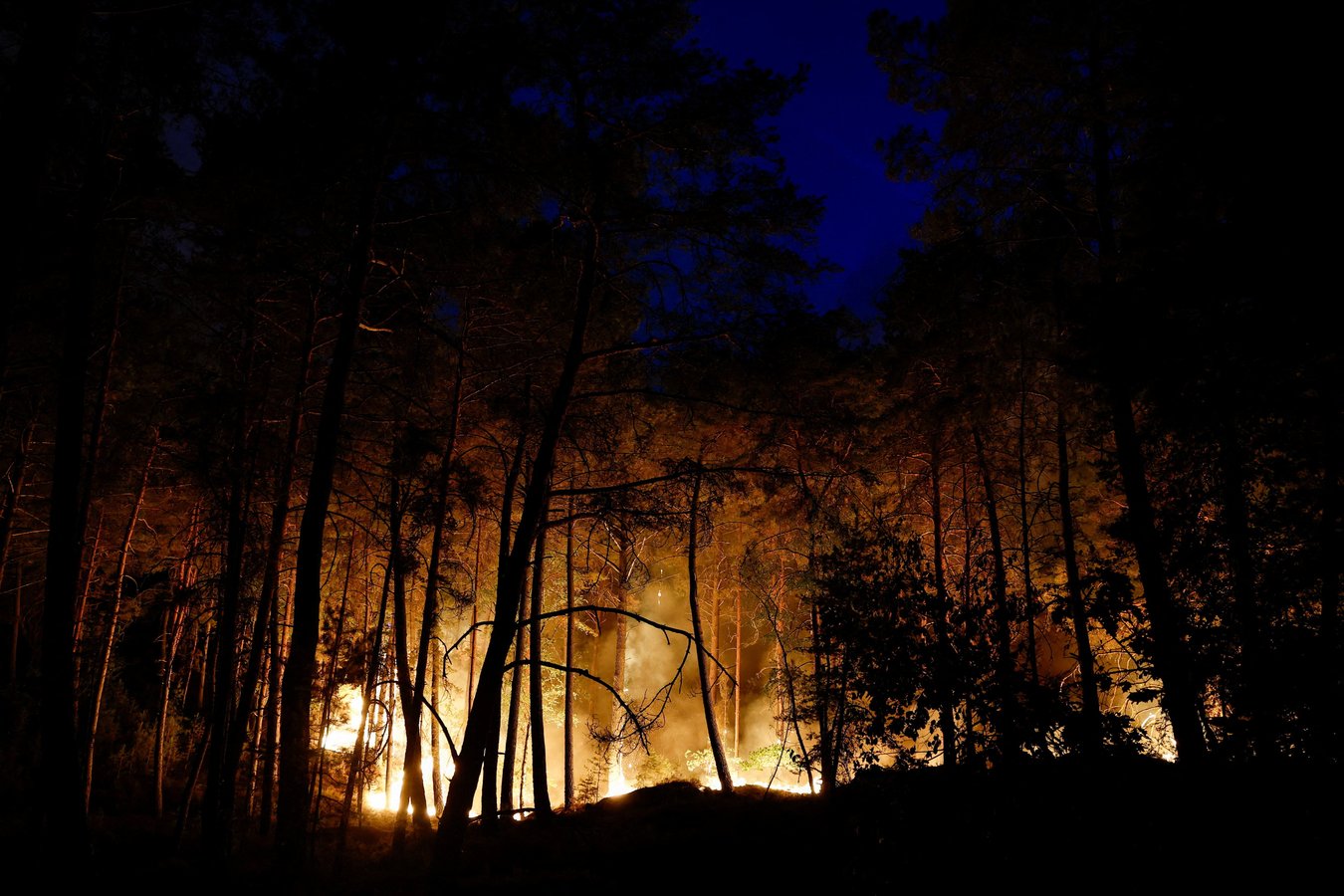
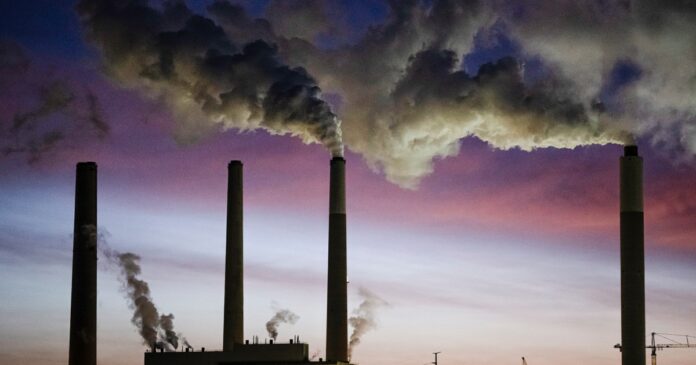
Scientists from the World Weather Attribution consortium have concluded that the kind of prolonged heat driving fire conditions across Europe this summer would have been virtually impossible without climate change. That finding reframes the arson inquiry in a particular way: whatever the suspects did or did not do, they operated in a forest that months of heat and drought had rendered uniquely combustible.
Fontainebleau forest spans roughly 17,000 hectares and has long been considered one of France’s most culturally significant natural spaces. Its landscape shaped the Barbizon school of French painting in the 19th century, and the Château de Fontainebleau at its edge served as a royal residence for centuries. France 24 reported that the fire had already destroyed approximately five percent of the forest’s total area, a toll that environmental officials described as severe.
The crisis arrives in a summer that has tested France’s emergency infrastructure at every level. Earlier this month, France’s third heatwave since May forced the Eiffel Tower, the Louvre, and the Musée d’Orsay to close early as Météo-France placed 24 departments under its highest red alert, with over 22 million people facing extreme heat.
The heatwave has forced another consequence that underscores France’s specific energy vulnerability: three nuclear power stations were shut down because river temperatures climbed too high to safely cool reactors. France generates approximately 70 percent of its electricity from nuclear energy, and forced outages during peak summer demand compound pressure on the grid at precisely the moment it is needed most.
Fontainebleau is the most visible flashpoint, but not the only one. France’s wildfire season has been running ahead of 2025 at twice the rate since January, according to government figures, with the southeast, the Atlantic coast, and now the Paris basin all seeing significant burning. A similar pattern drove the Spain wildfire that killed twelve people in Almería earlier this month, a blaze that Andalusian officials described as the deadliest in the region’s recorded history.
As Al Jazeera reported, the Paris region’s ongoing heatwave has increased fire risk in ways that make traditional containment strategies harder to sustain. Officials described the fires as “very virulent” in their rate of spread, with flame fronts moving in multiple directions simultaneously under the influence of hot, shifting winds.
By Monday morning, the fire had not been fully contained, and French officials said the situation remained fluid as afternoon temperatures built. The arson investigation was ongoing; the identities and any possible motive of the two arrested individuals had not been disclosed. What was already certain – confirmed in Nunez’s statistics and Brocardi’s account – is that France’s capital could no longer assume its fire season would remain safely confined to the south.
The Fontainebleau fire is a fixed point in a broader picture that scientists say is still moving. Whether the two suspects arrested Monday started this particular blaze deliberately remains for investigators to establish. What the fires themselves have already established, across Spain, southern France, and now the forest 60 kilometres from Notre-Dame, is that the conditions required for a catastrophic summer fire no longer respect the boundaries that geography once provided.