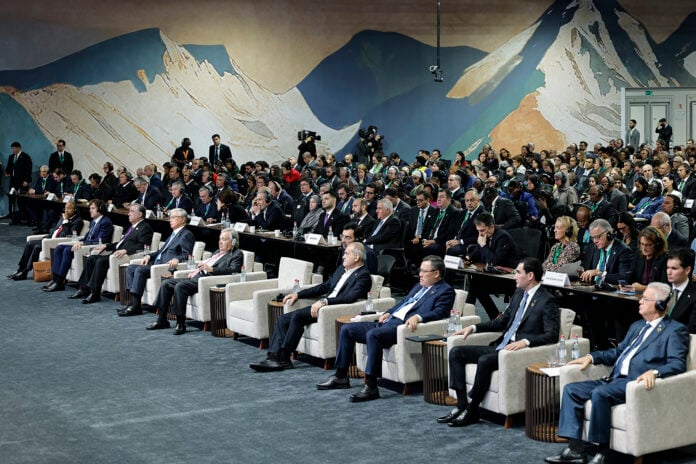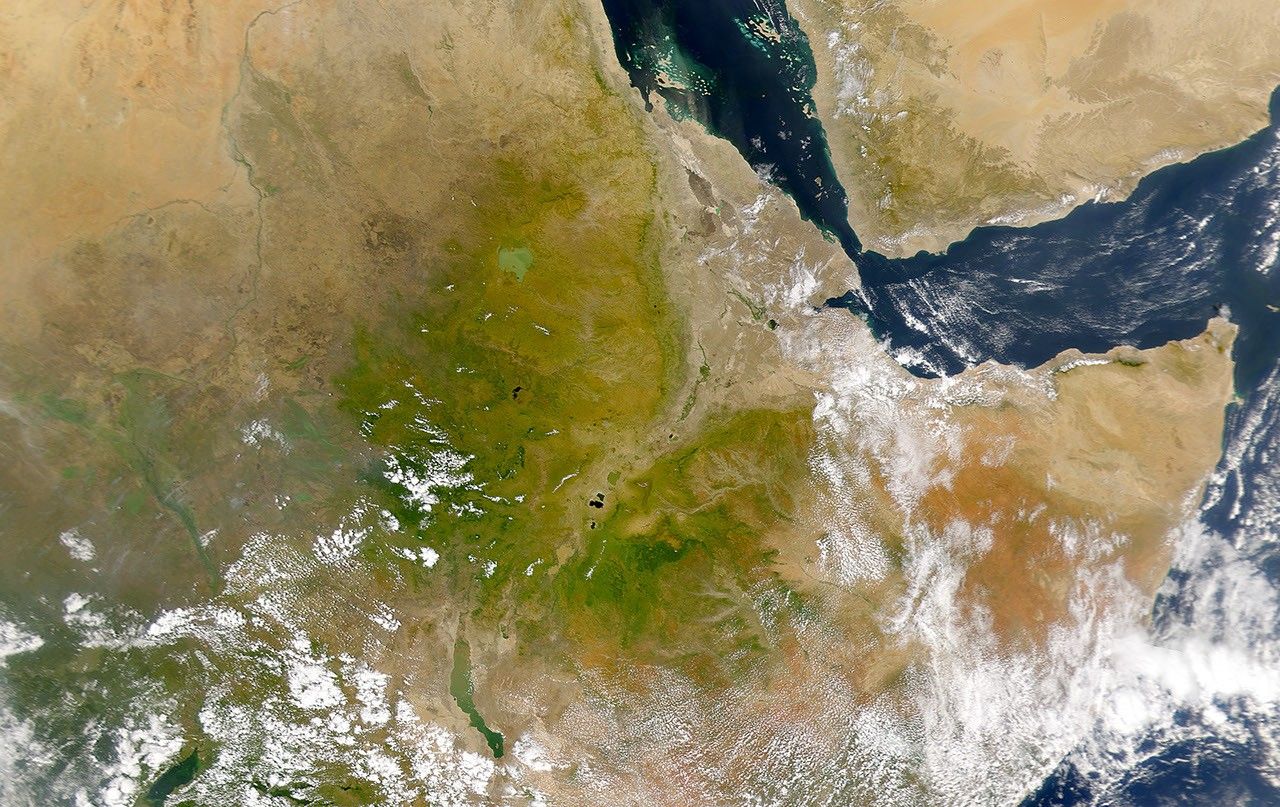

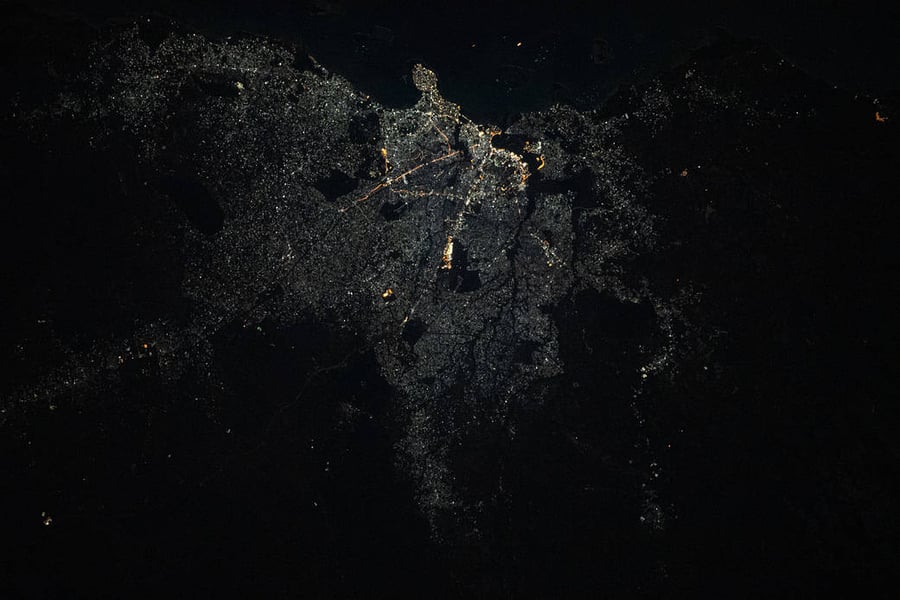
MOMBASA, Kenya — The eleventh Our Ocean Conference opens on Monday in this Indian Ocean port city, the first time the global ocean summit will be held on the African continent in its eleven-year history. Kenya is the host, and the choice of theme, Our Ocean, Our Heritage, Our Future, makes explicit the argument the Kenyan delegation has been making in private through the spring: that the coastal communities and small-scale fishers of the Global South should set the agenda for an ocean conference that has, since its founding, been organised primarily around the priorities of donor governments.
The conference has, since John Kerry’s State Department launched it in 2014, generated more than 2,900 voluntary commitments by governments, philanthropies and private actors, valued in the cumulative at more than 169 billion dollars. The 2025 edition in Busan, Korea, produced 287 commitments worth 9.1 billion dollars across the conference’s six standing focus areas: marine protected areas, sustainable blue economy, climate change, maritime security, sustainable fisheries and marine pollution. The Mombasa edition is the first to be hosted by a major fishing nation in Africa, and the first in which the host government is openly pushing for a substantive shift in what those commitments look like.
The substantive shift Kenya is asking for has a name in the advocacy literature. The Center for International Environmental Law, the Blue Marine Foundation, Oceana and a coalition of African NGOs have spent the months leading up to Mombasa pressing for the conference’s commitment template to require explicit fossil-fuel phase-out language, on the grounds that an ocean summit that does not name the principal driver of ocean acidification and sea-level rise is not, in any operational sense, a climate-credible event. The Kenyan presidency has signalled it intends to allow such language in the host-country statement on Monday morning, the first time the conference’s framing document will treat ocean and fossil-fuel policy as the same agenda.
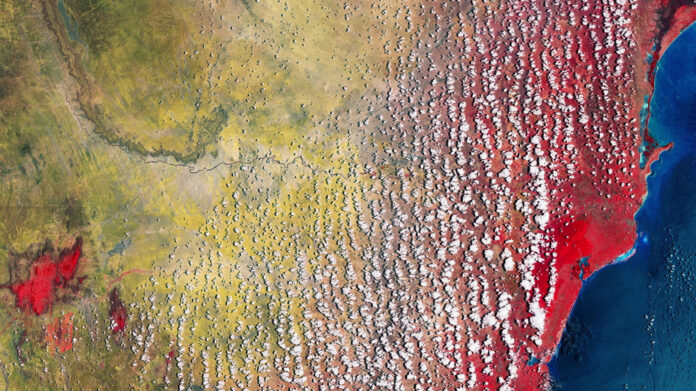
The geography is not incidental. Kenya’s Exclusive Economic Zone stretches across roughly 145,000 square kilometres of Indian Ocean, including the Lamu archipelago to the north and the Tana Delta estuarine system. The country’s small-scale fishers, about 80 percent of the marine workforce, have spent the past decade losing access to fishing grounds to industrial trawlers operating under licenses issued offshore. Kenya’s coastal communities, the official position holds, cannot wait for the wealthy donor countries to act on either fishing access or the warming that is collapsing the coral reefs that anchor the entire near-shore food chain.
The donor countries’ position is the part of the picture the conference will have to negotiate around. The United States has historically been the largest source of OOC commitments by dollar value, and the Trump administration has scaled back its participation, with neither the Secretary of State nor the EPA administrator confirmed to attend. The European Union, which under the Biden-era United States arrangement had been the de facto co-sponsor of the conference, will send its commissioner for environment. Norway, which has been pressing the EU to lift the Arctic-drilling moratorium that is one of the few pieces of explicit fossil-fuel restraint in current European ocean policy, will attend at the ministerial level.
The climate component is the part that connects the Mombasa agenda to the rest of this week’s climate news. NOAA’s El Nino Advisory declared on Thursday, with a 63 percent probability of a very strong event by next winter, is the largest single forcing on ocean temperature in the next twelve months. The coral reefs of the Kenyan coast, the Seychelles and the Mascarene archipelago, which have not yet recovered from the 2024 bleaching event that Al Jazeera reported as a global mass-bleaching event, are now facing a near-certain second pulse before they have rebuilt biomass. The conference will be drafting its marine-protected-area commitments against that thermal backdrop, and the Kenyan presidency has indicated the headline MPA pledge will be measured by whether it covers reefs that are likely to retain ecological function under the projected warming.
Australia’s COP31 negotiations president, Chris Bowen, told reporters at the Bonn climate talks this week that the world needs to get off fossil fuels, the diplomatic statement that has set the framing for the next round of UN climate negotiations. Mombasa is the operational test of whether the same sentence can move from the climate conference into the ocean conference. The two conferences have, since 2014, run on parallel tracks with overlapping participants and almost no operational coordination. A successful Mombasa outcome on fossil fuels would be the first sustained connection between the two regimes.
Kenya’s domestic politics around the conference are also worth noting. President William Ruto’s administration has been criticised at home for the country’s continued offshore exploration licensing in blocks adjacent to the very reefs the conference will be discussing; the contradiction between Kenya’s hosting role and its own hydrocarbon-licensing posture is one the conference’s African civil-society delegations have promised to raise directly in the plenary. The Kenyan presidency’s response, in a statement issued last week through the Ministry of Mining, was that the offshore blocks would be subject to the conference’s biodiversity-protection commitments, the first time an African petro-state has tied its own licensing posture to a multilateral ocean instrument.
The 2026 conference falls in the same week the European Union finalised its ETS2 carbon-market design, the Trump administration sent California’s vehicle-emissions waivers to Congress for repeal, and California Governor Newsom released the first 46 million dollars of state climate-bond money for the Tijuana River sewage crisis. The week’s pattern is one of climate-policy fragmentation: each jurisdiction is making the decision it is willing to make, and no single multilateral instrument has been holding them together. The Mombasa conference is the next test of whether the ocean policy community can hold a different shape.
The numbers the conference will be working against are the easier part of the conversation. The Africa portion of global mangrove cover is roughly 21 percent of the world total, the highest single regional share, and Kenya’s Tana Delta and the surrounding Indian Ocean coast contain a meaningful fraction of that. Mangrove restoration produces some of the most cost-effective carbon-sequestration outcomes available, and the Kenyan presidency is expected to leverage that arithmetic in proposing a continent-wide commitment vehicle that would route OOC pledges through African-led implementation organisations rather than through northern intermediaries. Whether the donor countries accept that routing change is the procedural question that will determine whether the Mombasa conference ends up looking different from its ten predecessors.
The conference opens on Monday morning with the host-country statement and runs through Wednesday. The voluntary commitments are typically registered through the conference’s online platform and the headline numbers are announced at the closing plenary. The substantive test of the Mombasa edition will not be the dollar figure, which past experience suggests will land between five and ten billion. It will be whether the commitment language uses the phrase fossil fuels and, if it does, whether the major donor countries co-sign it.