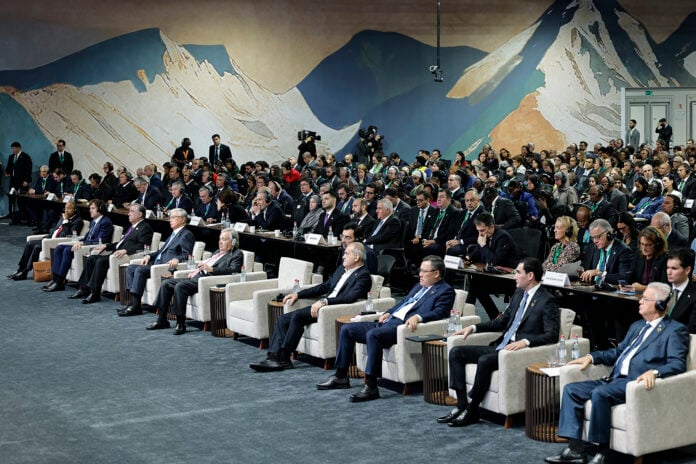

EVIAN-LES-BAINS, France — The 52nd summit of the Group of Seven opens here on Monday for three days, with climate change ranked eighth on the French presidency’s agenda. The list above it is the substance of the moment: the Israel-Iran war that has closed the Strait of Hormuz and produced a global energy-price shock, the United States tariff disputes, the Russia-Ukraine war, the European defence and supply-chain crisis triggered by the American troop withdrawal, the data-centre energy demand from artificial intelligence, the critical-minerals competition with China, and the regulation of AI itself. Climate is the item the room will reach if it has time.
The French presidency has nonetheless put a substantial climate brief on the table. The Évian declaration draft, circulated to the other six capitals last week, contains commitments on three substantive lines: a doubling of bilateral climate-finance flows to vulnerable economies, a coordinated G7 position on the World Bank’s reform of its energy-lending portfolio, and a re-affirmation of the 2023 UAE Consensus language on transitioning away from fossil fuels. Whether any of those commitments survive the negotiation with the Trump administration in the room is the procedural question the summit will answer.
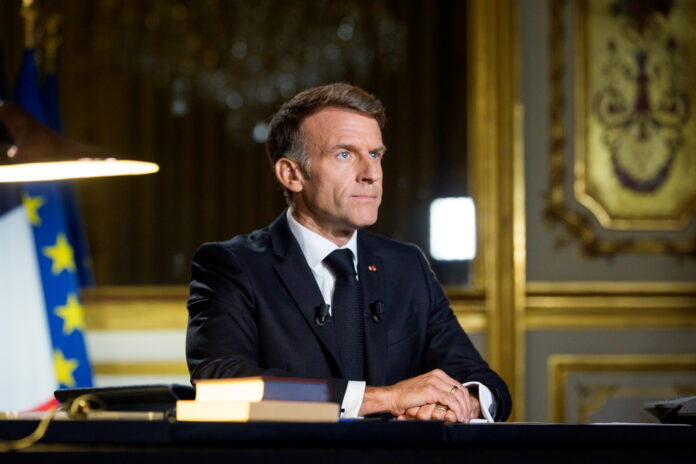
The Macron-Trump dynamic is the part of the summit the climate community is watching most closely. The American president has, since returning to office in January 2025, treated G7 climate language as a negotiation chip rather than a substantive commitment. The Kananaskis declaration last year contained no operative climate text on the leaders’ page; the Wildfire Charter that the Canadian presidency attached as a side document was the only climate language that survived the meeting. The French presidency has signalled it intends to put climate language back on the leaders’ page, and the working assumption in the European delegations is that the negotiation over that paragraph will consume more diplomatic time than the rest of the climate brief combined.
The energy context is the framing all the leaders will have to negotiate inside. The Strait of Hormuz, through which roughly 20 percent of global oil and 30 percent of seaborne LNG transit, has been closed to commercial traffic since late February, when the Iranian Revolutionary Guard Corps Navy responded to the US-Israeli strikes by laying mines in the channel. Brent crude is trading above 110 dollars a barrel; European TTF gas has tripled. The energy-price shock has produced the immediate political effect of making any leader who arrives in Évian advocating an accelerated fossil-fuel phase-out look, to a domestic audience, as if they have not been reading the front page. Al Jazeera has covered Iran’s repeated closure announcements as the largest single shock to global energy markets since the 1970s oil embargo.
The climate-finance line is the part of the brief Macron has the best chance of advancing. Mark Carney, the Canadian prime minister, was the host at Kananaskis last year and has spent the year between summits advocating for a G7 climate-finance doubling, the Carney signature item from his Bank of England days. The German, Italian and Japanese delegations have indicated they will sign a climate-finance paragraph if the dollar figure is large enough; the British delegation, freshly returned from the Bonn UN climate talks where Australia’s COP31 presidency has been pushing for the same architecture, has been the chief drafter of the technical text. The contested member is, again, the United States.
The World Bank reform thread is the part of the agenda the Évian declaration may end up containing the most operative language on. The Bank’s new energy-lending guidelines, which would allow concessional financing for natural-gas projects in developing economies under defined conditions, have been an object of contention since they were drafted in the spring; the G7 leaders are the principal shareholders and their position drives the Bank’s board. The French presidency wants the leaders to endorse the natural-gas exclusion in the guidelines, the African and South Asian governments want the exclusion lifted, and the World Bank’s president is using the summit to find a middle position that allows the guidelines to enter into force.
The summit lands in a week of dense climate activity on every continent. NOAA declared an El Nino Advisory on Thursday with a 63 percent probability of a very strong event by next winter, the largest single forcing on global temperatures that the leaders’ staff will be reading. Australia’s COP31 negotiations president told reporters at the Bonn climate talks that the world needs to get off fossil fuels, the diplomatic statement that has set the framing the European leaders will carry into Évian. The European Union finalised its ETS2 carbon-market design on Thursday, providing a domestic implementation track that the European G7 members will reference in their interventions. And on Monday, in Mombasa, the 11th Our Ocean Conference opens on African soil for the first time, with Kenya pushing for explicit fossil-fuel phase-out language in the conference’s commitment list.
The Évian dynamic is not the only one shaping the climate week in Washington. The Trump administration’s EPA sent California’s vehicle-emissions waivers to Congress for repeal on Thursday under the Congressional Review Act, the third major federal move against the state’s climate authority this term; California Governor Newsom released the first 46 million dollars of state climate-bond money for the Tijuana River sewage crisis the same day. The federal government in Washington is removing climate policy at the operational level; the European leaders going into Évian are trying to hold a global climate-policy line that excludes the American posture without antagonising the American delegation.
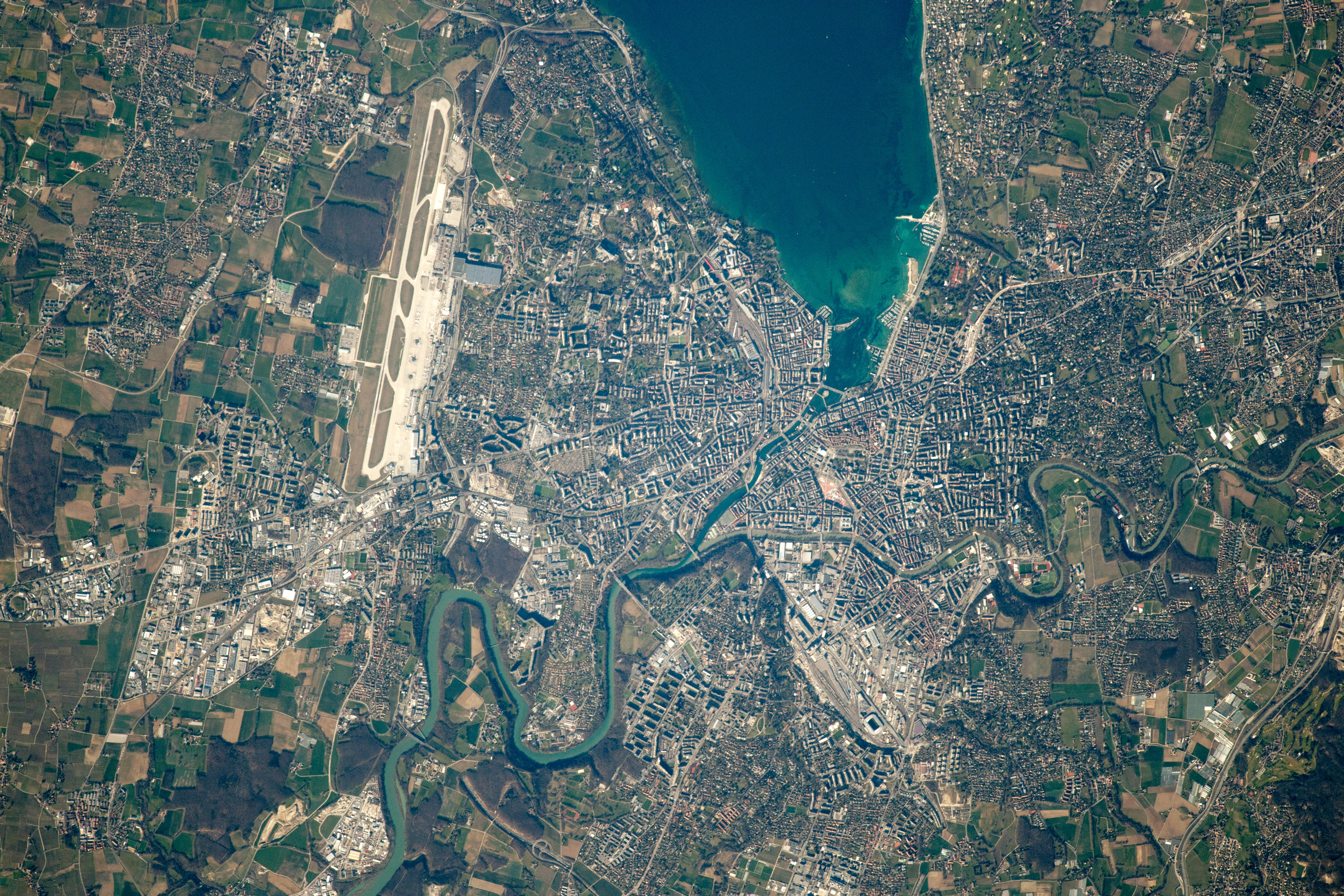
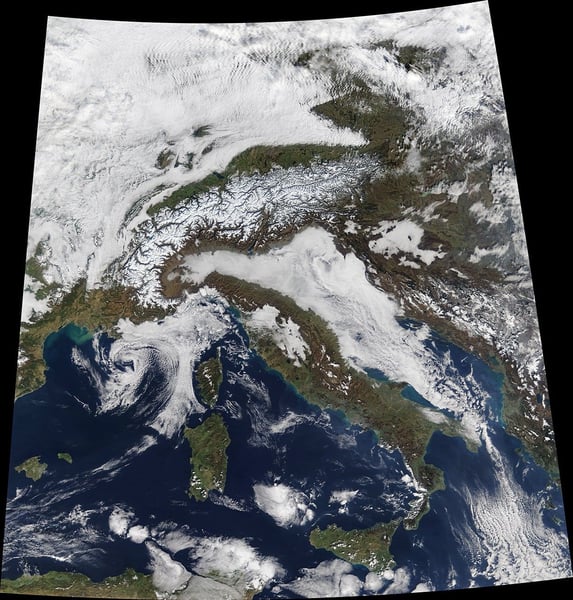
The geographical setting of the summit is itself a climate exhibit. Evian-les-Bains sits on the southern shore of Lake Geneva, looking across at the snowless slopes of the Mont Blanc massif. The lake’s surface temperature has risen by roughly 1.5 degrees Celsius since the last G7 met here, in 2003 as a G8 with Russia at the table; the glaciers visible from the conference hotel have lost an average of about 35 percent of their volume in the same window. The optics of leaders arriving by helicopter at a venue whose ecological context is itself a climate data point is the part of the summit the host country has not commented on.
The summit closes Wednesday afternoon with the leaders’ declaration. The French presidency has indicated it will release a separate climate-and-energy chair’s statement if the declaration does not contain operative climate language, the same structural workaround Canada used at Kananaskis. The substantive test of the Evian summit, on the climate dimension, will not be whether the declaration uses the phrase climate change. It will be whether the declaration commits to a number, and whether the number is one the seven leaders can credibly deliver against the energy-price backdrop they will be reading their daily briefings under.