
WASHINGTON — The standard arrangement that allowed a foreign correspondent posted to Washington to remain in the country for the duration of an assignment is ending. Under a final rule published Thursday by the Department of Homeland Security, journalists, students, and exchange-programme participants will be subject to fixed expiration dates on their authorised stays for the first time in decades.
The rule eliminates Duration of Status — a framework under which visa holders in three categories could remain in the United States as long as their immigration status remained valid — and replaces it with a specific end date attached to each admission. DHS said it would publish the rule in the Federal Register on July 17. It takes effect in 60 days unless Congress acts to block it, The National reported.
Foreign journalists holding I-category visas will face a cap of 240 days per stay. An extension mechanism exists, but DHS has not published the criteria applicants must meet. Reporters accredited from China are excluded from the 240-day provision; their authorised stays are already limited to 90 days under a restriction imposed during Trump’s first term.
International students on F visas will be permitted to remain for the time needed to complete their programme of study as specified in their immigration documents, with a hard ceiling of four years. Exchange visitors on J visas face similar limits tied to their programme duration.
“DHS believes that the admission of F, J, and I nonimmigrants for D/S is not appropriate,” the agency wrote in the rule document. The department said the change would “help to mitigate risks posed by aliens who seek to exploit these programmes and live in the United States on a non-temporary basis in contradiction with the underlying statutory language.”
The I-visa category covers representatives of foreign information media working for news organisations based outside the United States. It includes correspondents for wire agencies, broadcast networks, and print outlets. Foreign press bureaus in Washington and New York have operated under Duration of Status for the full span of those outlets’ American presence.
The practical implications depend heavily on how the extension process operates. A correspondent covering a diplomatic beat, a legislative cycle, or a court proceeding may find that the 240-day period expires mid-assignment. Whether the extension of stay pathway functions as a real accommodation or as a mechanism that can be denied without explanation will not become clear until DHS publishes its criteria and the first cases go through the system.
This is the second time the Trump administration has moved against Duration of Status for these visa categories. During the first term, a similar rule was developed but never fully implemented; the Biden administration reversed the effort before it took effect. The current rule reaches the same destination through a final rule rather than a proposal, narrowing the procedural window for challenge.
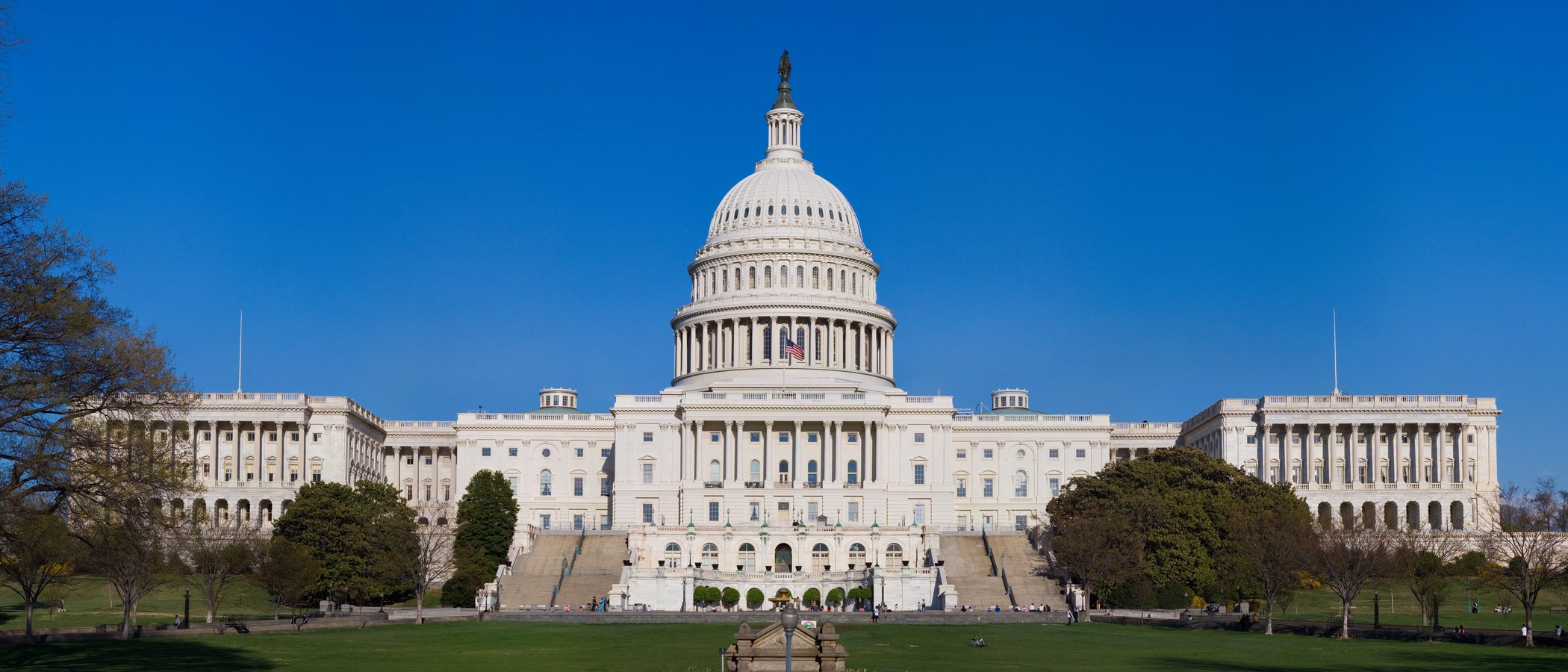
Congress can block the rule within 60 days. If lawmakers do not act, it takes effect automatically. Whether there is appetite on Capitol Hill to engage is unclear. University associations and press freedom organisations have not yet publicly responded; the effective date gives them weeks to organise a challenge.
What the rule cannot explain is how individual extension decisions will be made, and by whom. The unnamed risks DHS cited — people seeking to live in the United States indefinitely under nonimmigrant status — do not map obviously onto the working foreign correspondent or enrolled doctoral student. How those categories come to be treated as security risks, rather than as occupational and academic presences operating under existing legal frameworks, is a question the rule document does not answer.