
WASHINGTON — American forces launched a new wave of strikes against Iran on Thursday afternoon, US Central Command announced, marking the fifth consecutive night of military operations targeting Iranian military infrastructure as the conflict between the two countries enters its second week without a ceasefire.
“At 2 p.m. ET today, US forces began conducting a new wave of strikes against Iran for the fifth consecutive night to further degrade Iranian military capabilities,” CENTCOM said in a statement posted to X.
The statement gave no detail on targets, munitions, or the scale of Thursday’s operations. CENTCOM’s characterisation of the strikes as aimed at degrading Iranian military capabilities has been consistent across the five nights, though the command has not publicly disclosed which specific capabilities it believes have been degraded or by how much.
The pattern of nightly operations suggests a sustained campaign rather than a discrete retaliatory strike. Five consecutive nights of attacks represent a tempo of engagement that goes beyond signalling, though the United States has not publicly declared its military objectives or a set of conditions under which the strikes would stop. A US diplomat said earlier this month that talks with Iran continued despite the ongoing strikes — a posture that implies Washington is pursuing military and diplomatic tracks simultaneously.
Iran’s military has responded to previous nights of US strikes with retaliatory operations targeting American military infrastructure in the Gulf. Iran’s IRGC launched Operation Nasr 2 on July 15, targeting US military hubs in Kuwait, Bahrain, and Jordan. It is not yet known whether Iran conducted retaliatory strikes against US positions in response to Thursday’s wave.
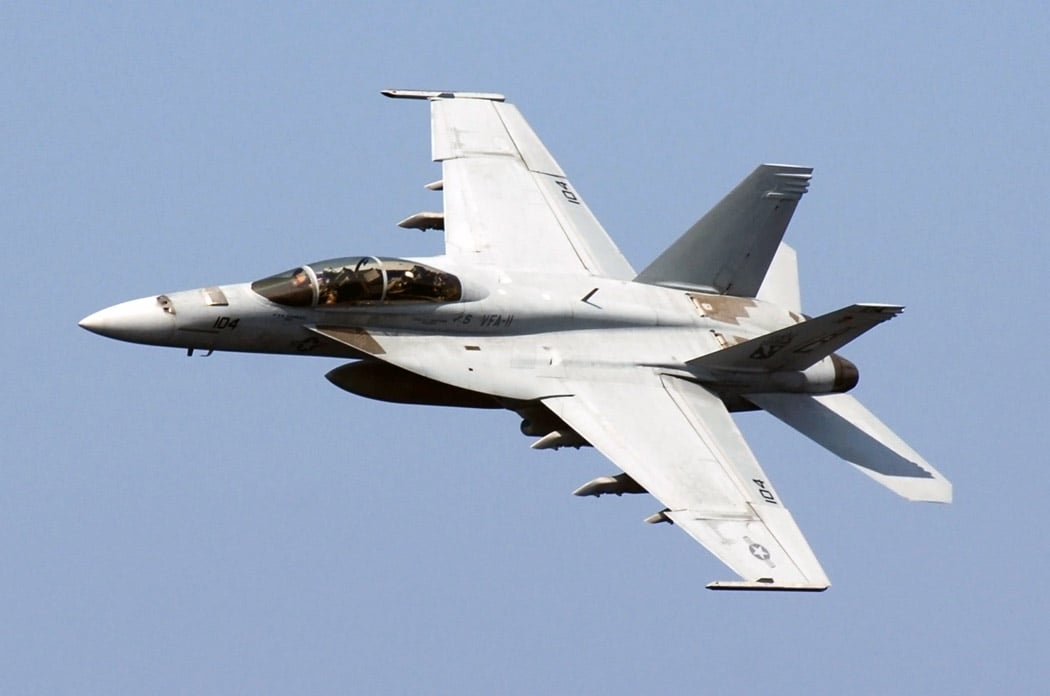
The nightly rhythm of American operations has drawn no public call from the White House for a pause. President Donald Trump has framed the campaign in maximalist terms — threatening to target Iranian power plants and bridges and vowing to hit Iran “very hard” — suggesting the administration views the current level of operations as a floor rather than a ceiling.
Thursday’s strikes are the latest in a conflict that began with a US military campaign against Iranian nuclear and military sites. What the fifth night of strikes indicates about the overall trajectory — whether the campaign is approaching its stated objective of degrading Iranian capabilities or entering a phase of indefinite attrition — CENTCOM did not say. The statement was a notification, not an assessment.