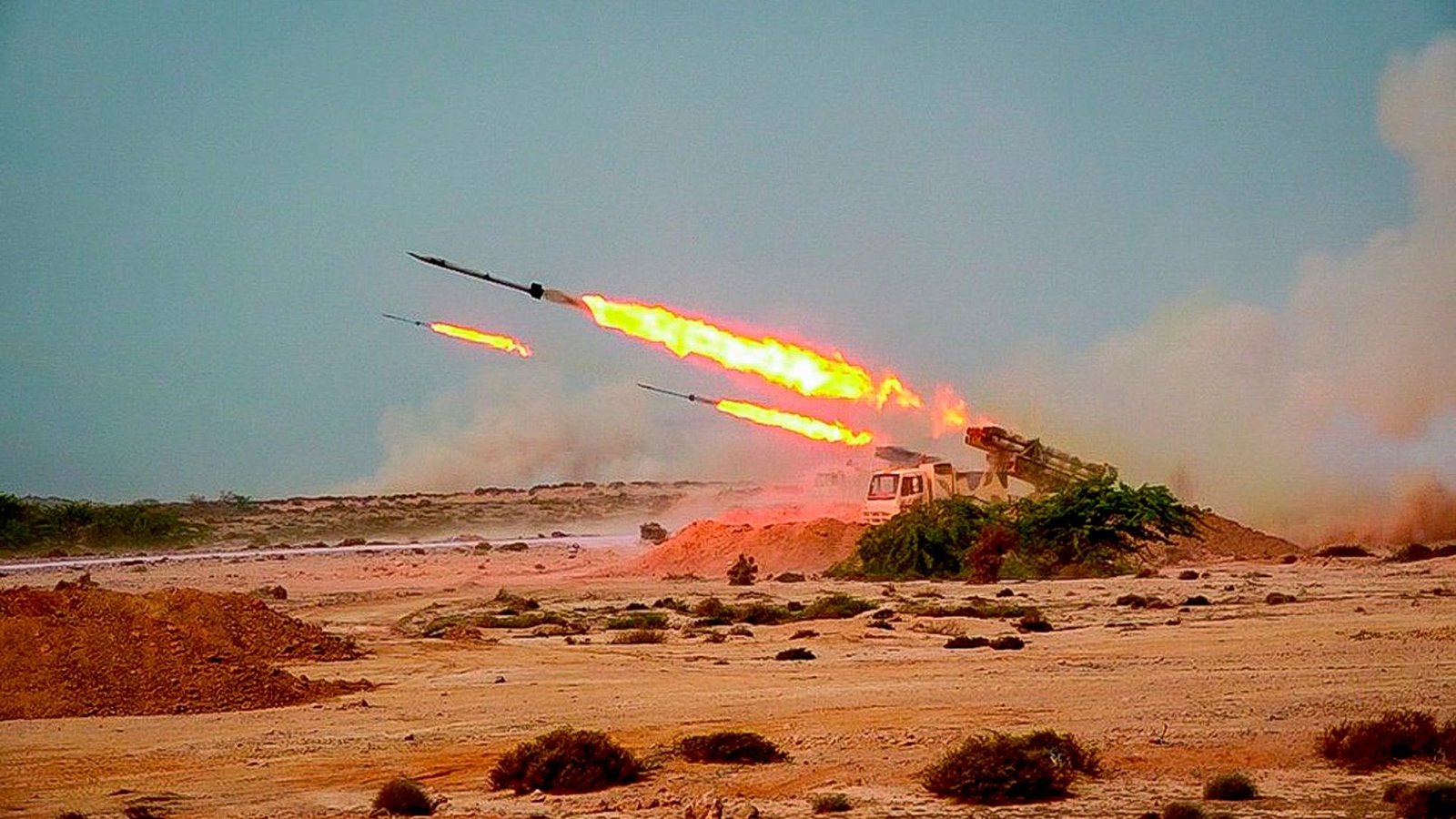

TEHRAN – Iran’s Islamic Revolutionary Guard Corps announced Wednesday it had wiped out the US Army’s primary logistics and support hub at Kuwait’s Mina Abdullah port complex, striking Patriot air defense systems, HIMARS rocket launchers, satellite infrastructure, and radar arrays in what Tehran named Operation Nasr 2, the most concentrated Iranian assault on American Gulf basing in the sixteen weeks since the conflict opened.
The operation extended to two other countries in the same strike window. In Bahrain, IRGC forces struck US Fifth Fleet command-and-control infrastructure, equipment warehouses, and fuel storage tanks at the naval complex that serves as America’s principal maritime headquarters for the entire Gulf region. At Jordan’s Al-Azraq base in the northeastern desert, according to Sputnik, Iran claimed it destroyed fighter jet hangars holding F-15, F-16, and F-35 aircraft alongside MQ-9 Reaper drone installations that have been used in operations against Iranian territory.
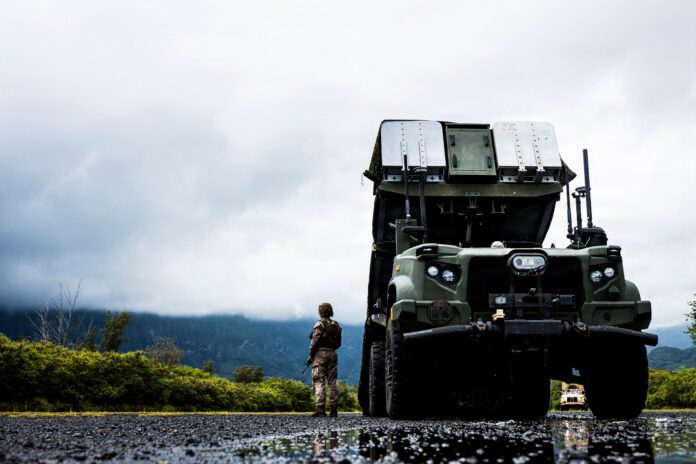
The Mina Abdullah complex, designated as the KJL hub, handles logistics and resupply for US Army operations across the Gulf theater. Striking it alongside Patriot and HIMARS systems at the same site would, if confirmed, degrade both the defensive and offensive capacity the US maintains in Kuwait simultaneously. HIMARS platforms have been among Iran’s stated priority targets throughout the conflict, appearing in IRGC strike communiques since the earliest exchanges this summer.
The Fifth Fleet’s Bahrain headquarters is operationally significant beyond its physical footprint. It coordinates US naval movements across the Red Sea, Persian Gulf, Gulf of Oman, and portions of the Indian Ocean. Damage to command-and-control infrastructure there, even if temporary, creates gaps in the coordination layer that links carrier strike groups to land-based air and missile forces throughout the region.
Operation Nasr 2 was framed by the IRGC as a direct response to US Central Command’s fourth consecutive day of strikes on Iranian territory. CENTCOM said Tuesday it had completed a seven-hour wave of attacks targeting Iranian missile and drone production facilities, naval assets, and coastal defense systems concentrated near the Strait of Hormuz. Alongside the air campaign, the US resumed what Iran described as an illegal naval blockade cutting off maritime traffic to and from Iranian ports, a move that imposes economic pressure beyond what the bombing campaign alone can achieve.
The escalation follows Trump’s threat to bomb Iran’s power plants and bridges by next week unless Tehran returned to negotiations, the first explicit American threat to civilian infrastructure since the conflict began. Iran has rejected that framing, and the launch of Operation Nasr 2 a day after that threat represents Tehran’s answer: a military response, not a diplomatic one.
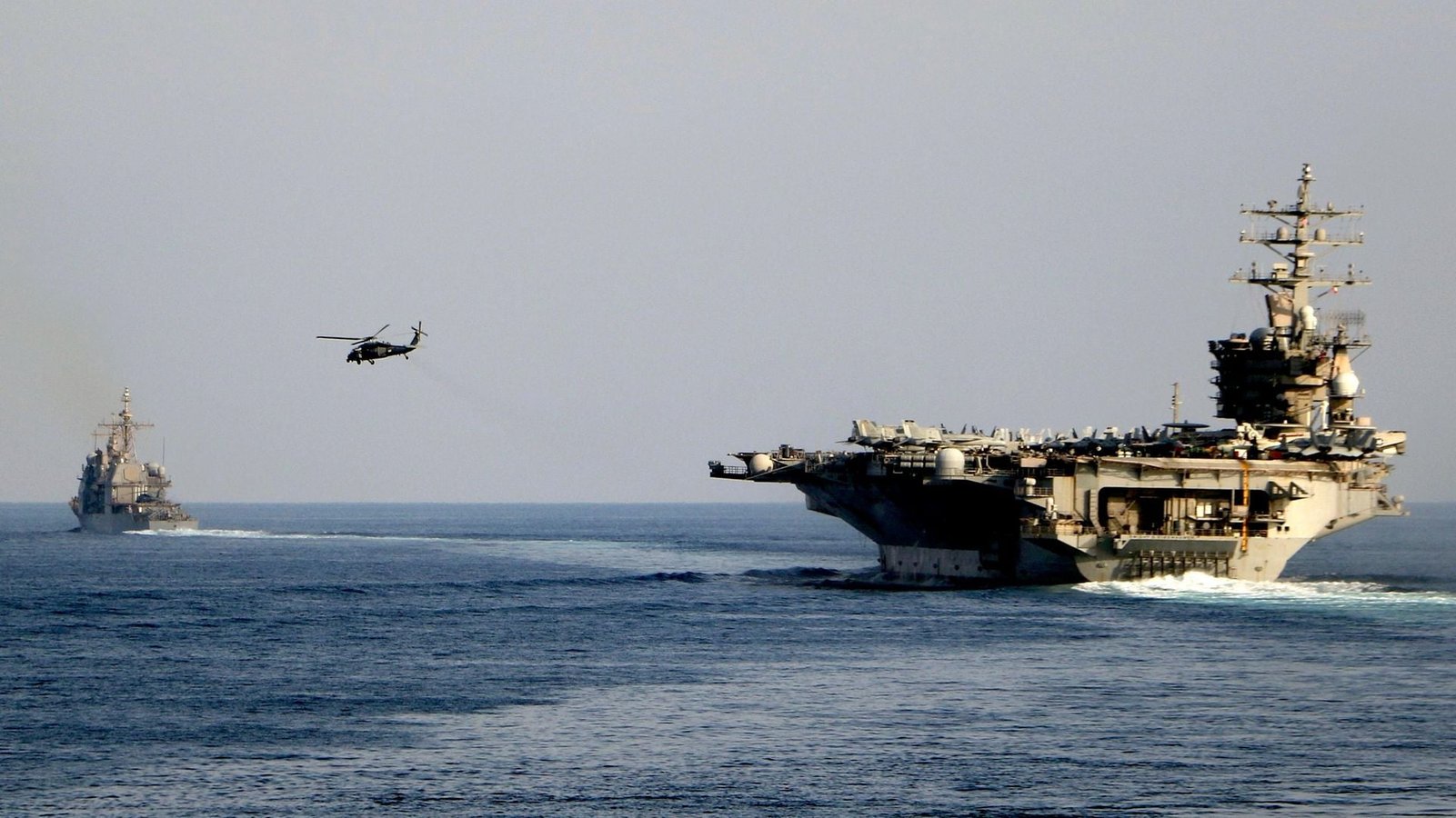
For Kuwait, Bahrain, and Jordan, the repeated targeting of US installations on their soil puts governments with no visible military response of their own in an increasingly difficult position. All three host American forces under bilateral defense agreements they have not publicly moved to revise. Tehran is pursuing a deliberate strategy of making that hosting arrangement politically and physically expensive enough that, eventually, some of those governments might recalculate their position.
Neither the US Department of Defense nor CENTCOM had confirmed the strikes or acknowledged damage at any of the targeted facilities as of Wednesday. Military infrastructure absorbs hits without always losing function, and Iranian claims of total destruction of Patriot and HIMARS systems at Mina Abdullah are claims, not verified outcomes. Satellite imagery and on-ground assessments will take time to produce. The gap between what the IRGC says it destroyed and what the US acknowledges losing has been a consistent feature of the conflict’s information environment from the start.
The conflict that produced Operation Nasr 2 traces back to the US-Israel air campaign that began in February, and has expanded in scope and intensity with each exchange. Earlier IRGC strikes on US infrastructure throughout the Gulf established Iran’s willingness to hit American bases across multiple countries in coordinated attacks. Wednesday’s operation named its target set more explicitly and claimed more complete destruction of key equipment. Whether that represents genuine military progress for Iran, or claims calibrated to a strategic audience as much as to any battlefield reality, remains the central unanswered question of this exchange.