
NEW YORK – Stripe and private equity firm Advent International have submitted a joint offer to acquire PayPal Holdings for $60.50 a share, a bid that would value the digital payments company at more than $53 billion and represent one of the largest leveraged buyouts in the history of financial technology, people familiar with the matter told Reuters.
The offer, submitted in early July, carries a premium of roughly 28 percent above PayPal’s closing price on Tuesday and is backed by approximately $50 billion in committed bank financing. Under the proposal, Stripe and Advent would hold equal stakes in PayPal, and the parties have set an end-of-July target for completing a deal.
The approach follows an initial round of talks that began in April. PayPal has not responded to either the April overture or the current proposal. The silence lands against a clear backdrop: when Bloomberg first reported in February that Stripe was considering a deal to acquire some or all of PayPal, the payments company was reported days later to be skeptical of any sale. That skepticism did not deter a formal offer.
No statements from Stripe or Advent executives accompanied the report, and PayPal’s communications office did not respond to a request for comment. PayPal’s board has not disclosed whether it has retained advisers to evaluate the offer, nor set any timeline for a response.
The proposed deal’s arithmetic is striking. Stripe, which carries no public shares, was valued at $159 billion in a tender offer completed in February, a 74 percent increase year-over-year supported by investors including Andreessen Horowitz and Thrive Capital. PayPal, listed as PYPL on Nasdaq, carried a market capitalization of roughly $40 billion at the same point. A private company worth four times the target’s market value, partnering with a buyout firm, is now proposing to acquire a publicly traded incumbent whose valuation has fallen sharply since its pandemic-era peak.
Patrick Collison, Stripe’s co-founder and chief executive, said in February that an initial public offering was “not on my list of priorities.” An acquisition of PayPal would give Stripe access to a customer base running into the hundreds of millions, a merchant network embedded across e-commerce and point-of-sale retail, and the Venmo peer-to-peer payment app, all without requiring any public listing.
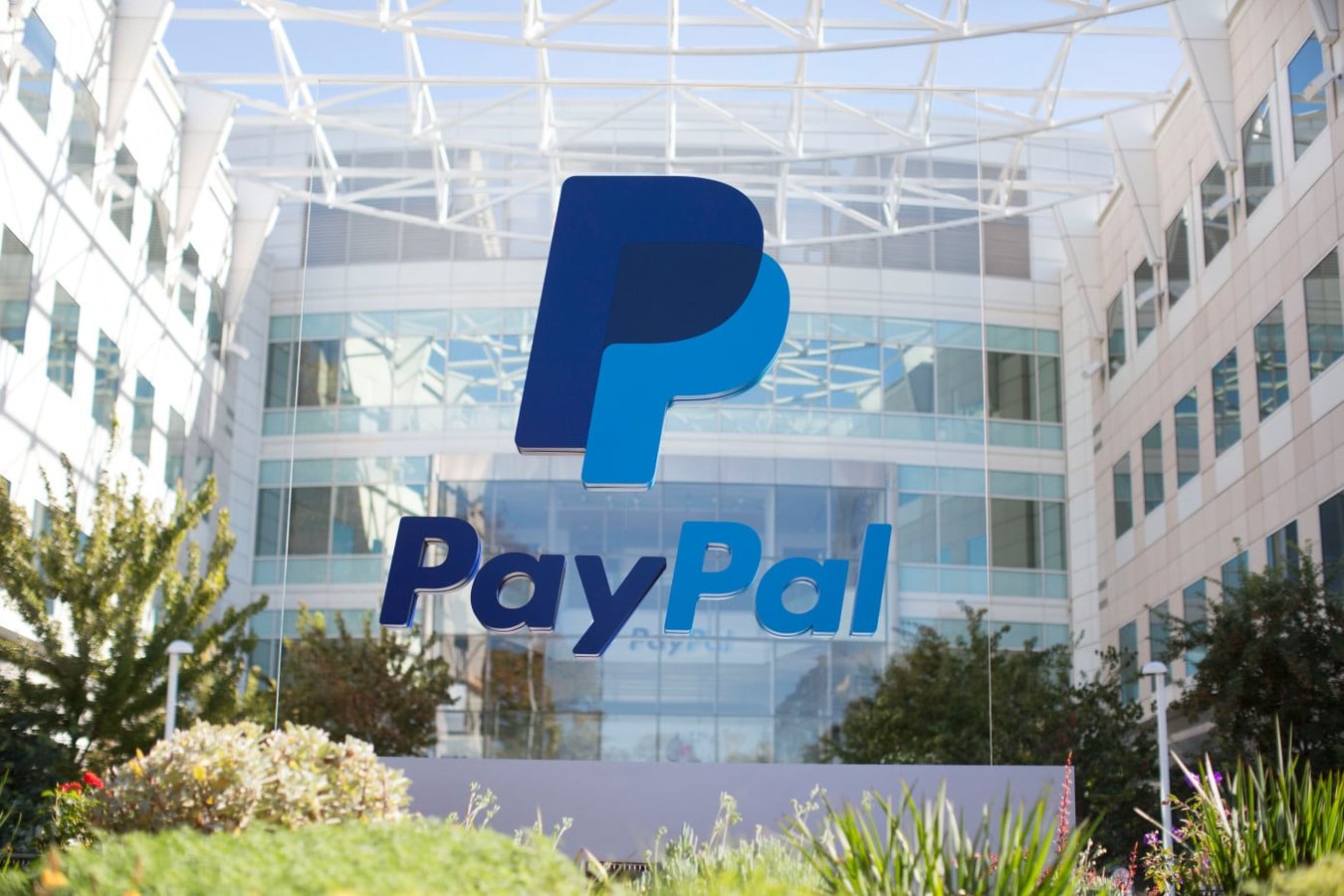
PayPal appointed Enrique Lores, the executive who led Hewlett-Packard’s recovery, as its new chief executive in February, framing the hire as a signal of a technology-first refocus. Lores replaced Alex Chriss amid concerns that PayPal had lost ground in a market it once dominated. A $53 billion bid would hand the board an opportunity to crystallize value for shareholders who have watched the company’s stock slide for years, though the $60.50 price remains well below PayPal’s highs from the prior bull run.
For Advent International, a Boston-based private equity firm that manages more than $90 billion in assets, the logic follows established buyout convention. A joint leveraged acquisition of PayPal, executed alongside an operating partner with Stripe’s technical capability, offers the prospect of restructuring PayPal’s cost base, integrating Stripe’s developer infrastructure into the business, and monetizing the resulting entity at a premium to the purchase price. The $50 billion in committed bank financing signals that major lenders have assessed the combined entity’s cash flows as capable of servicing the debt.
The competitive pressures on PayPal are not hypothetical. Stablecoin-based payment platforms have moved into territory PayPal once held exclusively, particularly in emerging markets where users increasingly prefer digital assets over local banking infrastructure. Apple Pay, Google Pay, and Shopify Payments have carved into PayPal’s merchant checkout share in developed markets. Stripe itself reached its $159 billion private valuation largely by winning developer-first payment infrastructure contracts from the incumbents PayPal represents.
Antitrust review would be unavoidable. Stripe processes a significant portion of online merchant payments across the United States and Europe. PayPal, including Venmo, handles consumer-to-merchant and peer-to-peer flows across the majority of American e-commerce. The concentration of that infrastructure in a single entity would draw scrutiny from the Department of Justice and potentially from regulators in the European Union, where both companies operate at scale. Whether the current administration and its trade commission would block or condition the combination is an open question that no published analysis has yet answered.
What remains unresolved is whether PayPal’s board will find $60.50 a sufficient argument. Lores was brought in to demonstrate that PayPal could execute a standalone recovery, not to preside over a sale. A formal rejection would pressure the company to show, publicly, that its independent path produces more value than the bid on the table. An engagement, by contrast, would open negotiations over price, structure, and what Advent plans to do with its half of the world’s largest combined payments company once the deal closes.