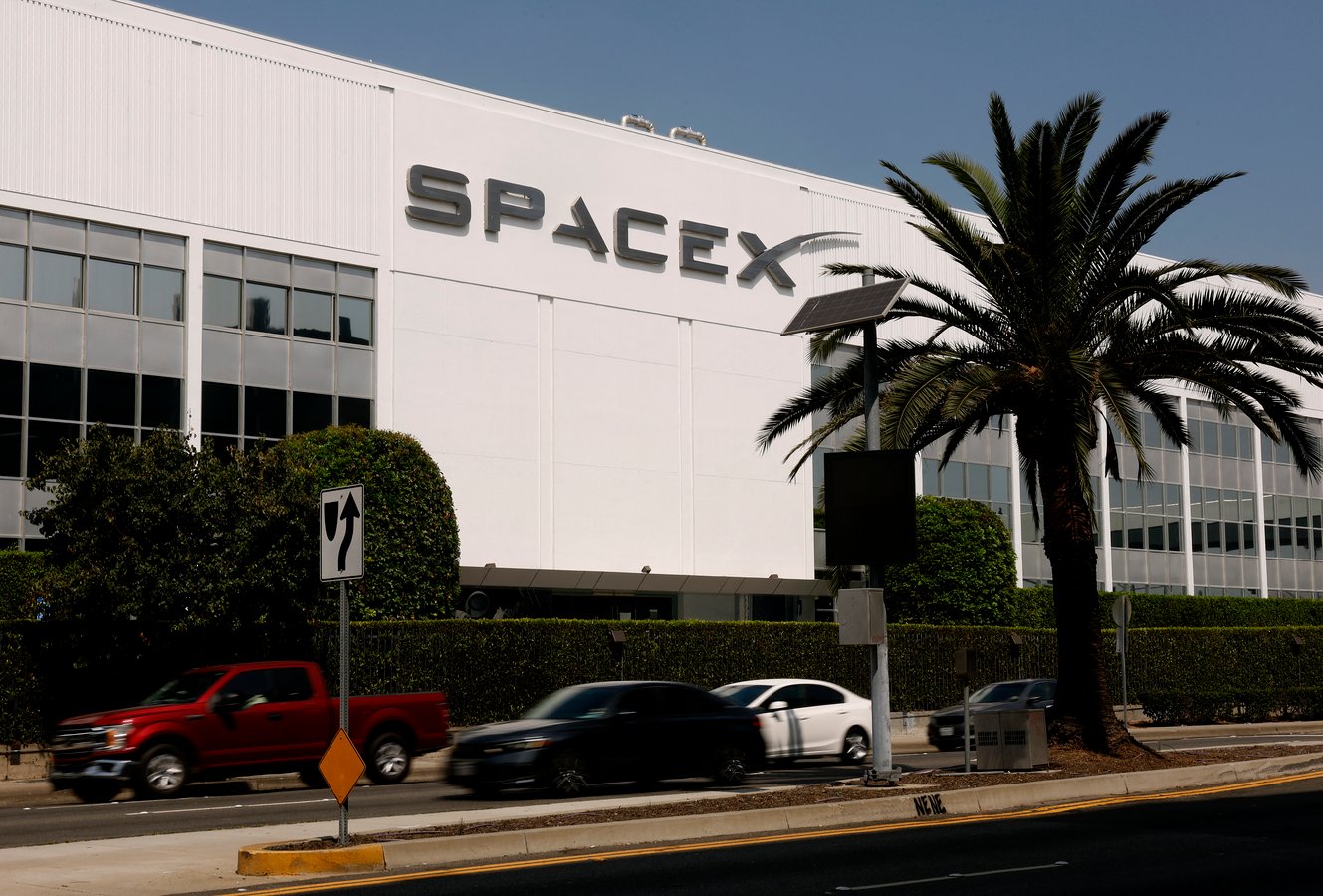

HAWTHORNE, Calif. — Starlink subscribers doubled to 12 million in the year through June, SpaceX disclosed Tuesday, as the satellite operator posted second-quarter revenue of $7.8 billion and its chief operating officer made clear the company intends to compete directly with AT&T Inc., Verizon Communications Inc., and T-Mobile US Inc. for the American wireless market.
Shares in SpaceX climbed 9.4 percent during Tuesday’s session before surrendering 7.2 percent in after-hours trading after a quarterly net loss of $541 million, or 9 cents per share, landed below analyst expectations. AT&T, Verizon, and T-Mobile each declined after-hours on the news.
The subscriber number that rattled the industry was notable not simply for its size but for its velocity. SpaceX had 6 million Starlink users a year ago; that figure has now doubled, reaching 12 million with an average monthly revenue per user of $66. The connectivity segment generated $4.3 billion in revenue and $1.7 billion in operating income in the quarter, up 66 percent from the same period a year ago.
What made Tuesday’s results more than a routine earnings release was a disclosure in SpaceX’s second-quarter regulatory filing: the Federal Communications Commission has approved the company’s acquisition of 65 megahertz of licensed U.S. spectrum, along with global mobile satellite service licenses, obtained through its purchase of EchoStar. The spectrum covers terrestrial as well as orbital frequencies, giving SpaceX the regulatory infrastructure to offer a service indistinguishable, in licensing terms, from what a conventional mobile network operator holds.
Gwynne Shotwell, SpaceX’s chief operating officer, told analysts on the quarterly earnings call that the company sees room to win customers directly from the incumbent carriers, Bloomberg reported. She did not elaborate on a product timeline, and SpaceX declined to characterize the remarks further.
The company has spent the past year accumulating the components of a wireless network. International carrier agreements with SoftBank in Japan, NTT Docomo, and Spark NZ in New Zealand are already in place, allowing Starlink to operate as a silent partner to existing mobile operators in coverage gaps. The EchoStar spectrum approval extends that capability into the United States at a scale that would allow SpaceX to offer standalone service without a carrier intermediary.
SpaceX’s broader financials told a story of a company generating enough cash in space to fund ambitions that reach well beyond it. The company held $100 billion in cash at quarter-end and carried a $47.5 billion backlog. The AI division generated $2.6 billion in revenue, up 247 percent year over year, though it recorded a $1.3 billion operating loss as the company invested in the infrastructure to support it. SpaceX expects to close its $60 billion acquisition of the Cursor coding tool from Anysphere in the third quarter.
The SpaceX IPO on Nasdaq in June had positioned the company as one of the most valuable publicly traded entities in the United States. The SpaceX stock’s subsequent slide below its offering price raised investor concern that Musk’s simultaneous commitments across SpaceX, Tesla, xAI, and the Department of Government Efficiency stretched management attention in ways that bore watching.
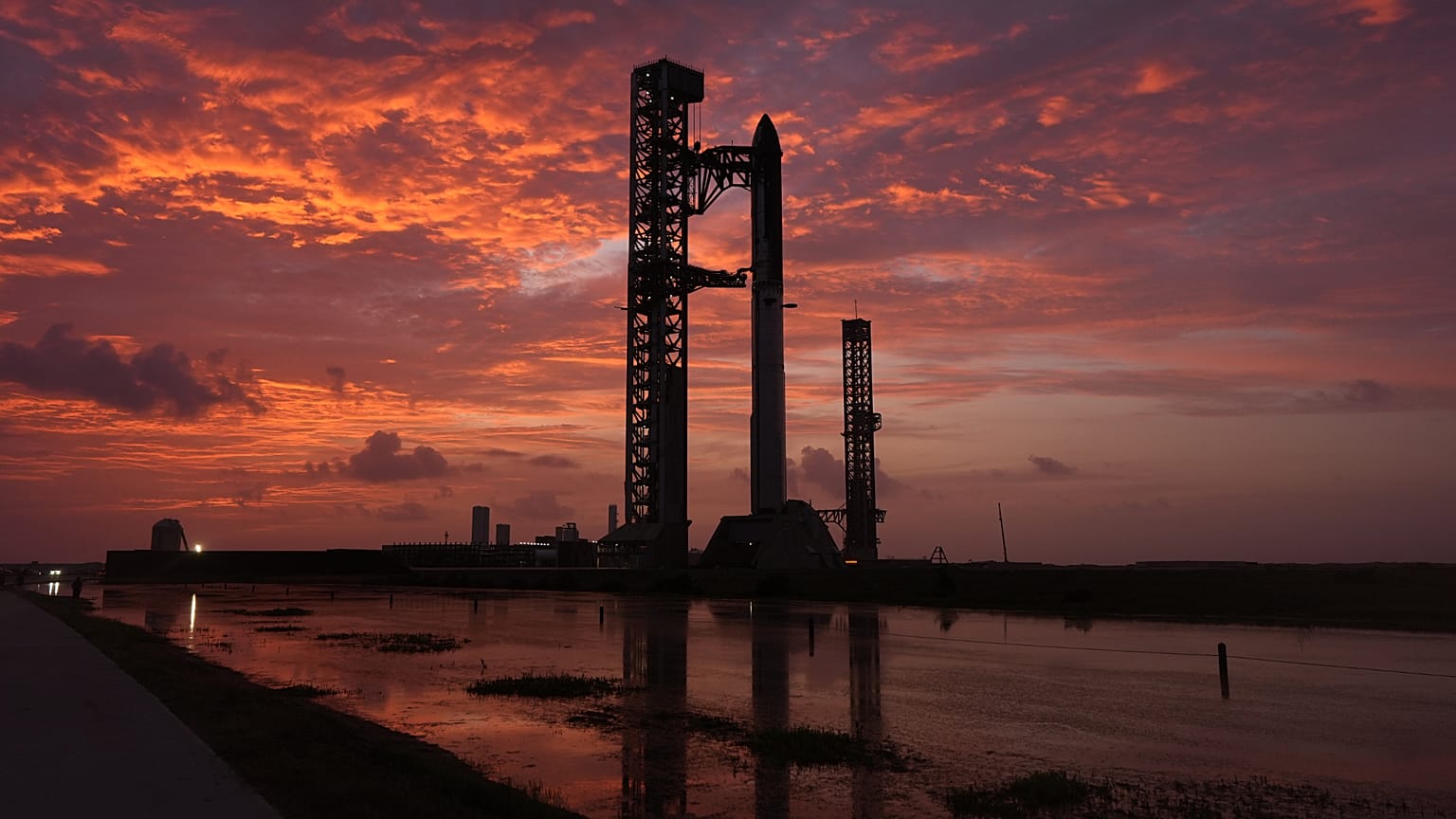
Tuesday’s earnings did nothing to resolve that tension. The $541 million net loss arrived alongside a Starship program that completed its twelfth and thirteenth orbital flight tests in May and July respectively, with SpaceX characterizing those costs as necessary investment in reusability. Starshield government contracts have surpassed $6 billion, and Nvidia has committed to a partnership involving AI-equipped orbital compute satellites, branded Starmind, with a 2027 launch target.
The question that neither SpaceX nor its rivals can yet answer is whether 65 megahertz of spectrum and 12 million broadband subscribers translate into a consumer wireless network that American phone users would actually switch to. The carriers have been reluctant to say publicly how seriously they take the threat. The stock market, in after-hours trading Tuesday, provided the only answer available.
SpaceX has not disclosed the technical or commercial terms under which it would offer standalone U.S. mobile service, and no product launch date exists. The EchoStar licenses run on regulatory conditions that have not been made public. What is known is that SpaceX now holds the licenses, the satellites, the subscribers, and the operating income to act, if and when it chooses. The Amazon-Globalstar satellite connectivity partnership signed last month underscored that the race to layer satellite coverage over the terrestrial wireless market had already begun. SpaceX, on Tuesday’s numbers, appears to have taken the lead.