
SEATTLE – The satellite network that reaches your iPhone when there is no cell signal runs on hardware Amazon wants to own. The company filed Monday with the Federal Communications Commission to operate 5,105 low Earth orbit satellites, a constellation that would anchor Amazon Leo, its direct-to-device satellite division, and expand the Globalstar service Apple uses to deliver Emergency SOS, Messages via satellite, and Find My to iPhone users in areas without cellular coverage.
Amazon structured the filing around five orbital shells, three of them covering densely populated regions and two extending toward polar latitudes. Deployment is scheduled to begin in 2028, contingent on FCC approval that has not yet been granted. The company’s FCC application is one step in a longer sequence: Amazon is acquiring Globalstar, and the 5,105-satellite constellation represents what the combined network would look like once that acquisition closes.
The Globalstar acquisition, which Amazon expects to complete in 2027 pending regulatory clearance, is what makes the FCC filing significant. Globalstar is not just any satellite company; it is the one whose spectrum Apple licensed in 2022 when it built Emergency SOS into the iPhone 14. Whoever owns Globalstar effectively controls the infrastructure underpinning Apple’s most consequential safety feature. Amazon is filing to build that infrastructure at scale.
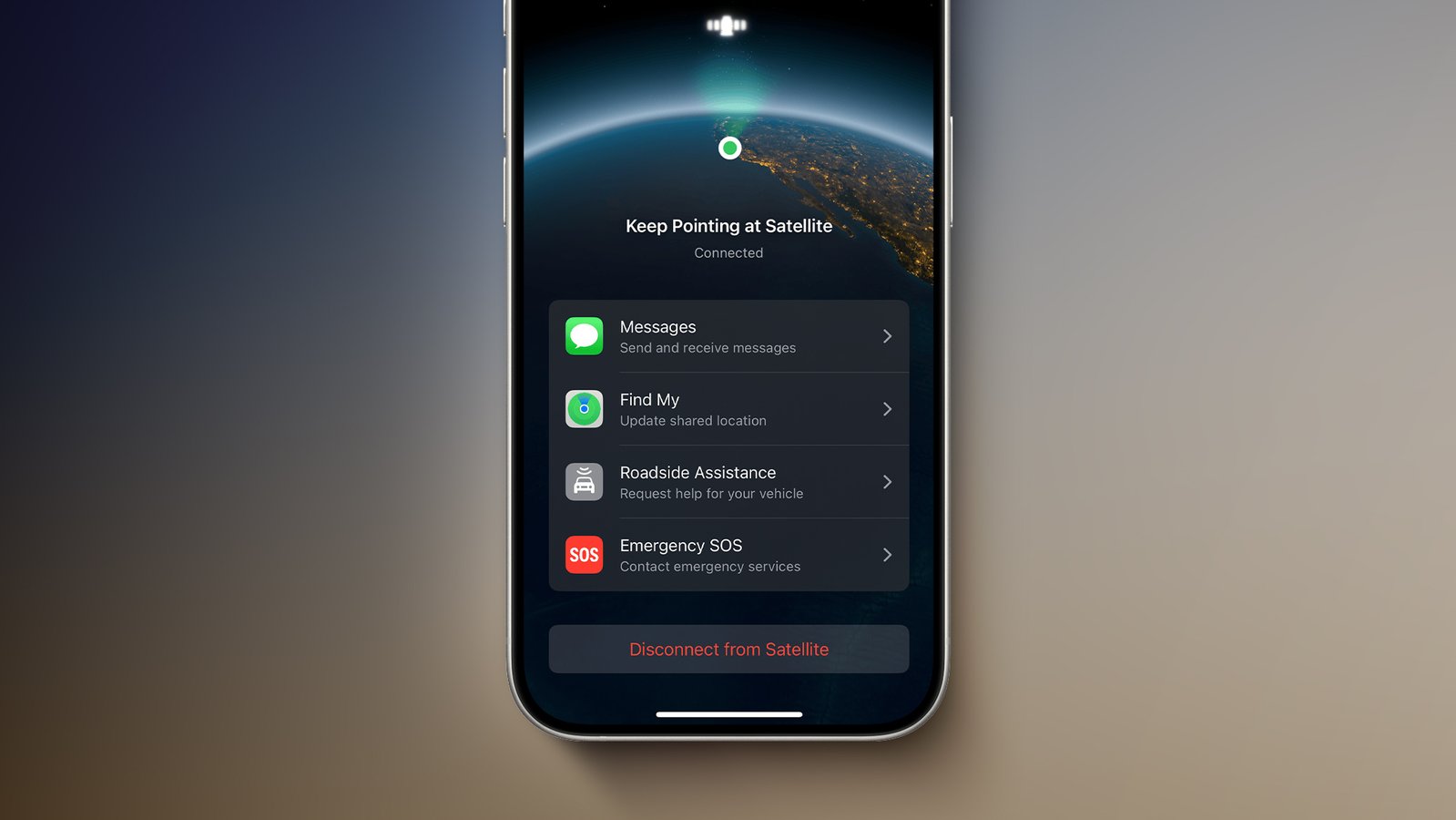
Apple’s satellite features span Emergency SOS for contacting rescue services without connectivity, Messages via satellite for texts in remote areas, roadside assistance calls, and Find My location sharing. Apple Watch Ultra 3 also supports satellite connectivity. According to a MacRumors report on the FCC filing, Amazon and Apple have already signed an agreement for Amazon Leo to power current and future satellite services across compatible iPhone and Apple Watch models, with both companies committed to developing new services on the expanded network.
Put alongside the rest of the satellite industry, 5,105 satellites is a significant number but not an unprecedented one. SpaceX’s Starlink constellation crossed 6,000 operational satellites in 2026 and continues to grow, using Starship to deploy third-generation units at increasing cadence. Globalstar, by contrast, currently operates a fleet of fewer than 50 satellites optimized for low-bandwidth emergency services rather than broadband. Amazon’s filing would expand that footprint by two orders of magnitude, financed by the company rather than structured as a public market raise.
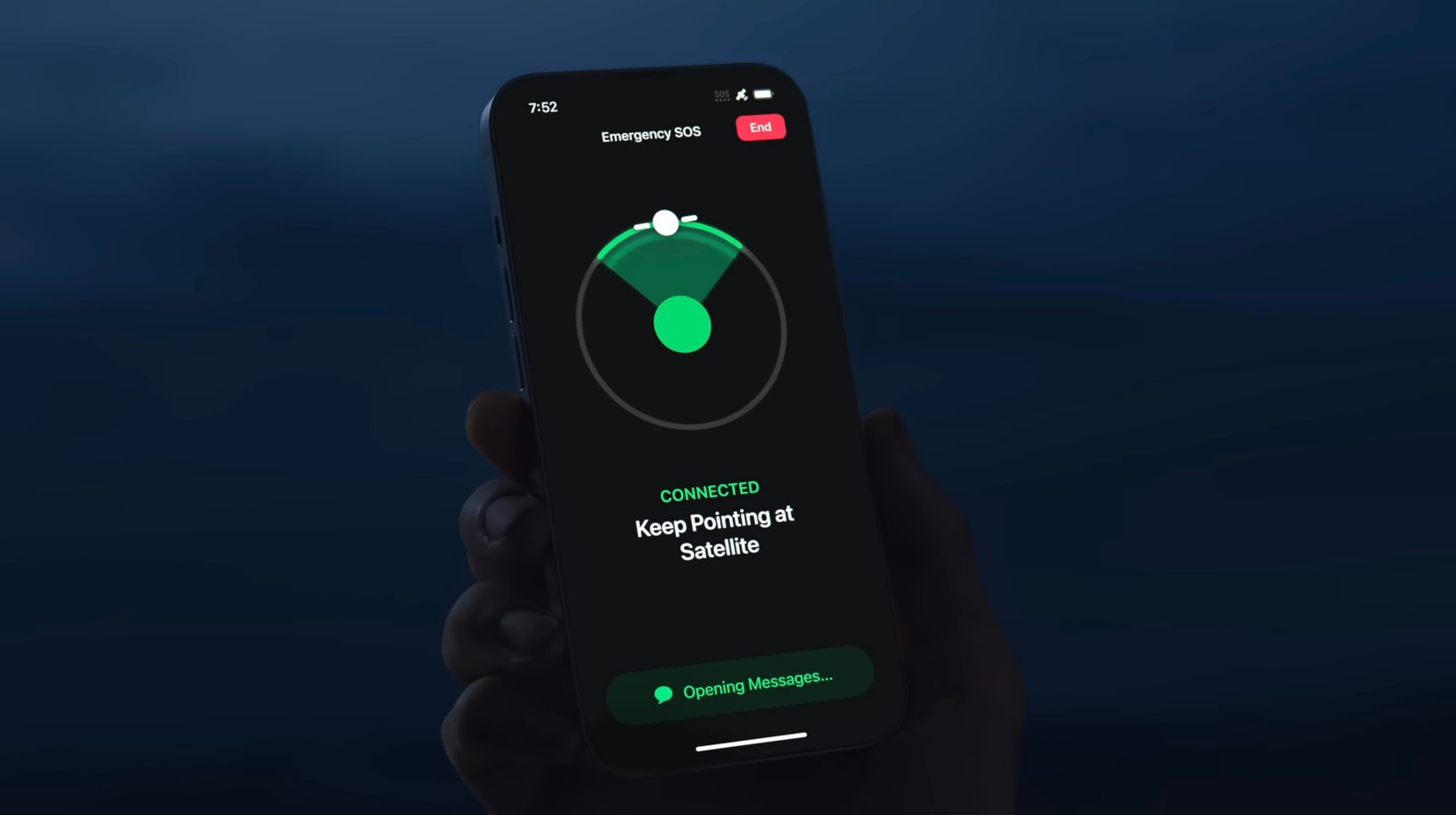
The architectural choice Apple made when it picked Globalstar over Starlink carries forward into the Amazon deal. Emergency SOS works on narrow channels capable of transmitting small data packets to rescue services rather than streaming connections. That design keeps the hardware requirements modest enough to fit inside an iPhone without a satellite-specific antenna. Amazon’s expansion preserves that architecture while adding coverage depth: more shells, more inclinations, more of the planet reached with the same low-bandwidth, safety-first approach.
The timeline carries compounding risk. FCC approval for a filing of this scale typically takes months and sometimes years, particularly when the applicant is a technology company seeking spectrum access that intersects with existing telecom infrastructure. The Globalstar acquisition must clear its own regulatory review in the United States and potentially in other markets where Globalstar operates. Only after both processes conclude can Amazon begin building and launching the satellites it has filed for, and the 2028 deployment start date assumes both close on or ahead of schedule.
Regulatory scrutiny of Amazon’s telecom ambitions extends beyond standard spectrum licensing. The company controls a significant share of cloud infrastructure through AWS, a growing logistics network, and now seeks to own the satellite backbone for a safety feature on one of the world’s most widely used consumer devices. FCC commissioners and the Department of Justice have examined comparable consolidation scenarios in tech and telecom in recent years. Amazon’s filing frames the satellite network as expanding emergency services and rural connectivity, without directly addressing the concentration questions its ownership structure raises.
For Apple, the arrangement offloads satellite infrastructure costs at a moment when the company is actively managing capital expenditure. Apple’s declining capital expenditure helped it reclaim the world’s most valuable company title this week as investors rewarded restraint while rivals poured capital into AI data centers. Paying Globalstar for spectrum access while Amazon builds the underlying network keeps satellite infrastructure off Apple’s own balance sheet, extending a financial logic that has already moved markets.
What neither company has addressed publicly is the transition period between now and 2028. Globalstar’s existing satellites operate under separate FCC licenses and continue to support iPhone’s current satellite features regardless of the acquisition’s regulatory outcome. The 5,105-satellite constellation is an expansion of what exists, not a replacement for it. The gap between the current fleet and the proposed Amazon Leo network is exactly where every uncertainty in this deal lives – and that gap will not close until a sequence of regulatory, financial, and engineering events plays out across the next several years.