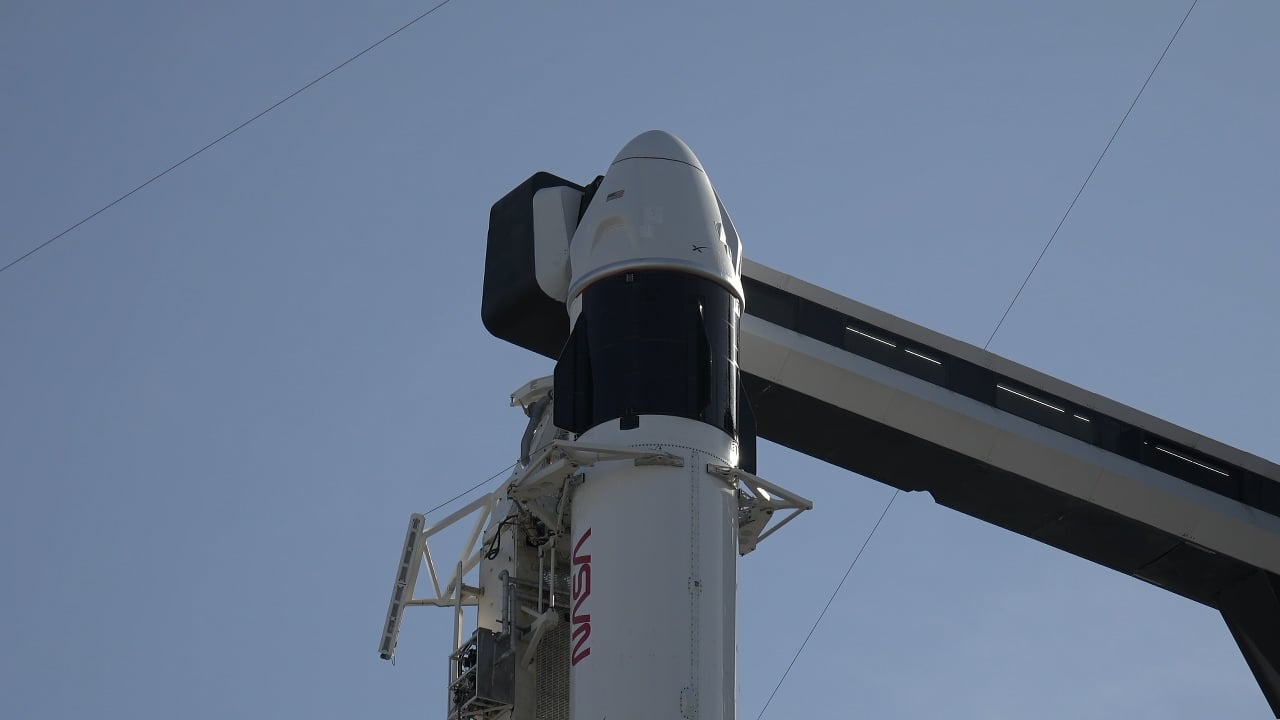

NEW YORK – Aswath Damodaran, the NYU professor whose intrinsic-value models are required reading on Wall Street, called SpaceX “embarrassingly overvalued” ahead of its June IPO. On Wednesday, the stock gave him a data point. Shares of Space Exploration Technologies Corp. (Nasdaq: SPCX) touched $132.28 during the session, trading below the $135 price that millions of retail investors paid on June 11 in the largest initial public offering in stock-market history. The stock recovered to close at $135.27, but the intraday breach was the first time SPCX has traded below its offer price since debuting with a 17.3 percent first-day gain.
The move extends a selloff that has erased roughly 40 percent of SpaceX’s peak value. Shares reached $225.64 in mid-June, two weeks after the IPO, giving the company a market capitalisation of nearly $2.6 trillion. Wednesday’s close at $135.27 implies a market cap near the $1.75 trillion fully diluted valuation at which the IPO priced. Elon Musk’s personal fortune, which briefly exceeded $1.45 trillion following the offering, has fallen to approximately $860 billion, according to RT Business citing Financial Times data published Wednesday.
The financial case for the $1.75 trillion valuation is built almost entirely on Starlink. SpaceX reported $18.7 billion in revenue in 2025 and a net loss of $4.9 billion. Its artificial intelligence division produced a $6.4 billion loss on its own. The company lost a further $4.3 billion in the first quarter of 2026. Across every division except Starlink, the company is unprofitable. The Falcon 9 launch business, which handles roughly 76 percent of global commercial orbital launches, runs near breakeven given the capital cost of reusable rocket infrastructure. Dragon and Starship contract revenue exists but is absorbed by development expenditure. Starlink alone, with 6 million subscribers in 76 countries as of the June filing, generates positive operating income.
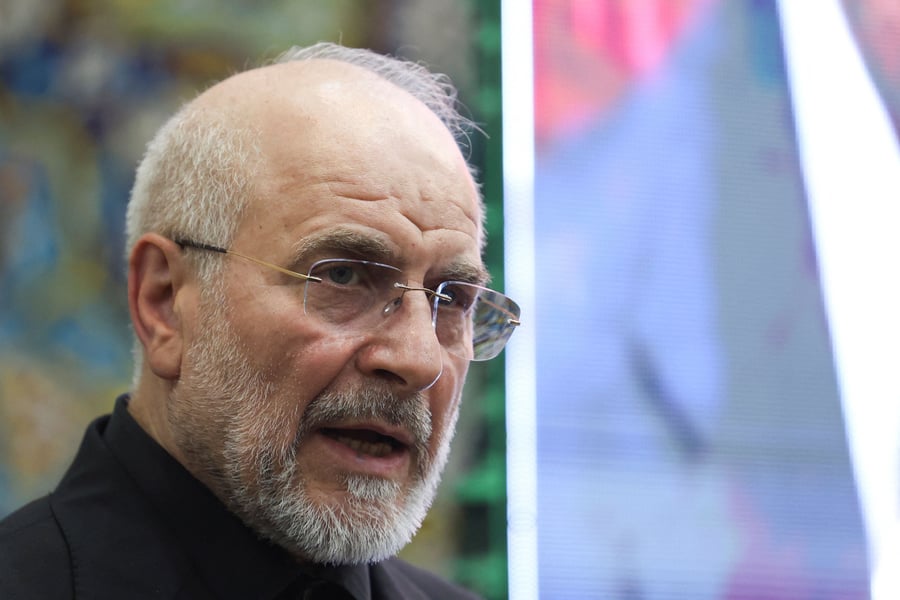
Damodaran, whose pre-IPO valuation analysis set SpaceX’s intrinsic worth at approximately $180 billion, said the stock trades as though Starlink becomes the dominant global broadband utility and SpaceX captures a majority of the satellite economy. Both outcomes are possible. The stock price treats both as certain. “Embarrassingly overvalued” is not a market call about direction, he noted, but a claim about the gap between what the numbers justify and what the market is pricing in. That gap has closed from its June peak. It has not closed enough to satisfy analysts at Forbes and Barron’s who cited the same valuation concerns through the month after the IPO.
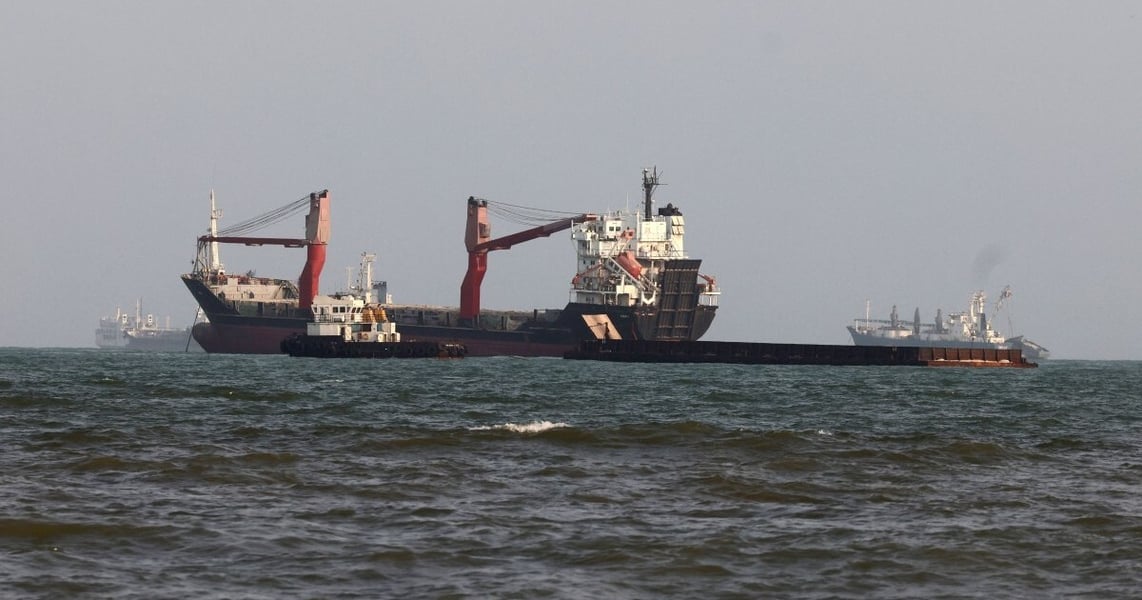
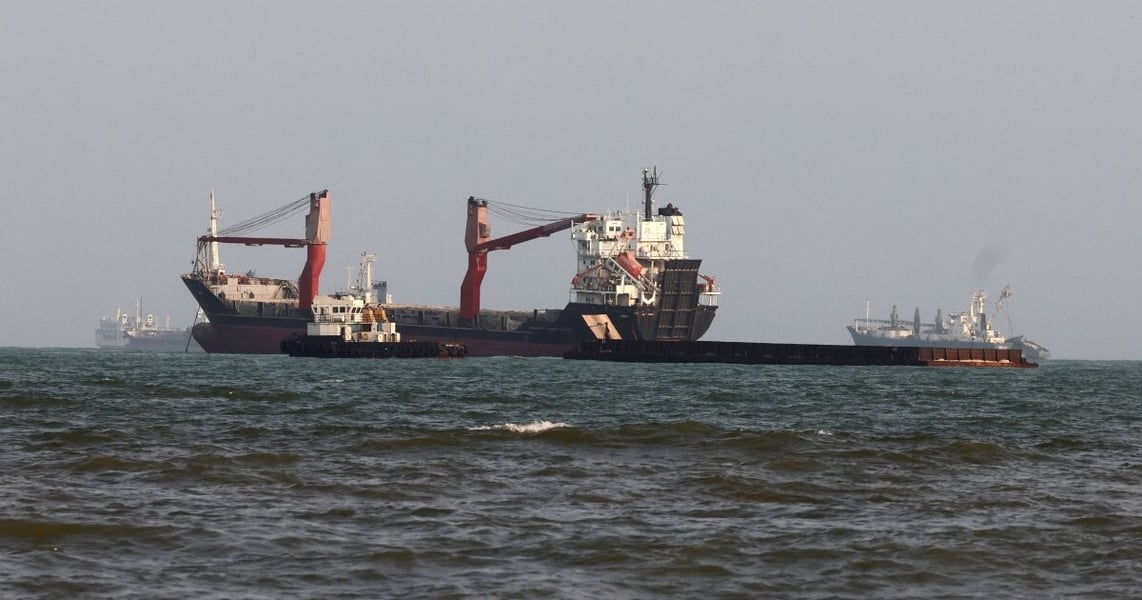
The most concrete near-term threat to SpaceX’s competitive position is not a valuation model. It is a Chinese rocket stage sitting on a recovery vessel in the South China Sea. China’s National Space Administration confirmed last month that engineers successfully recovered the first stage of an orbital rocket from the sea, replicating the core technical achievement that SpaceX commercialised with Falcon 9 in 2015. Chinese officials have stated that booster reuse is planned before year-end 2026. If that timeline holds, by the time SpaceX’s first insider lock-up period expires in December, a Chinese competitor will be conducting reusable launches on a commercial cadence.

Starlink’s subscriber growth depends partly on launch cadence. SpaceX has argued that Starship, the larger rocket still in development, will eventually reduce the cost of expanding the constellation to a level no competitor can match. Starship has not reached commercial operational status. China’s reusable program compresses the window within which that argument needs to prove out. It also provides the Chinese state with the infrastructure for a competing broadband satellite network at a scale that government financing makes credible in ways private capital cannot easily replicate.
The structural headwinds are not all external. When SpaceX joined the Nasdaq-100 on July 7, J.P. Morgan estimated $4.3 billion in forced buying from index-tracking funds. That mechanical demand has since been absorbed by the market. The Anysphere acquisition, a $60 billion all-stock deal to buy the Cursor AI developer announced in late June, will dilute shareholders when it closes. SpaceX also raised $25 billion in new debt in the weeks surrounding the IPO, adding financial leverage to a business already posting quarterly losses.
SpaceX’s next scheduled financial disclosure is a late-July earnings call, when executives are expected to provide updated Starlink subscriber figures and a revised capital expenditure outlook. Those numbers will be the first real test of whether Starlink’s margin trajectory is improving quickly enough to justify the current price. SpaceX’s record-setting June IPO allocated 30 percent of shares to retail investors through Fidelity, Schwab, Robinhood, and similar platforms. Those retail holders, who paid $135, watched shares touch $132.28 before recovering to close at their entry price.
Damodaran’s $180 billion intrinsic valuation is not a prediction that SpaceX fails. It is a prediction that the market has priced in outcomes it cannot yet see, at multiples that leave no room for the uncertainty that remains. China recovering a rocket stage is one such uncertainty, now resolved in a direction that compresses SpaceX’s moat. The AI division’s $6.4 billion annual loss is another, with no clear path to monetisation in any filing or analyst note published since the IPO. Musk has not commented publicly on the share price this week. What the late-July earnings call needs to answer is whether Starlink’s trajectory alone can carry the weight the stock price is asking of it.
Related Posts