
NEW YORK — The semiconductor stocks that powered this year’s most profitable trade have entered bear market territory. The PHLX Semiconductor Index is down more than 20 percent from its June record, crossing the threshold that defines a bear market, and Nasdaq 100 futures opened Monday more than 1 percent lower as S&P 500 contracts fell 0.6 percent. The driver was a development that no analyst’s model had priced as a systemic risk: Dario Amodei, Sam Altman, and Elon Musk have endorsed, in public statements published within seventy-two hours of each other, the idea that the race to build more powerful artificial intelligence should slow down.
The convergence is historically improbable. Anthropic and OpenAI have competed for researchers, compute access, and safety credibility for four years. Musk sued OpenAI in 2024. In September 2026, all three chief executives are pointing in the same direction: that the pace of frontier model development carries risks that justify an externally enforced pause. Microsoft CEO Satya Nadella extended similar support for the framework, welcoming what he described as deliberate pacing.
Amodei published a 3,400-word essay on September 12 titled “We Must Pace the Frontier,” proposing a three-stage structure: embedded evaluators at all frontier labs, shared safety thresholds for democratic-country labs, and eventually international enforcement once those thresholds exist. Anthropic committed immediately to granting METR (the AI safety nonprofit) permanent employee-level access to verify adherence to its safety commitments and assess model alignment in real time. Eastern Herald’s earlier reporting on Amodei’s frontier safety case explored the rogue-agent risk that underlies the essay; the market reaction addressed only what the framework implies for compute spending.
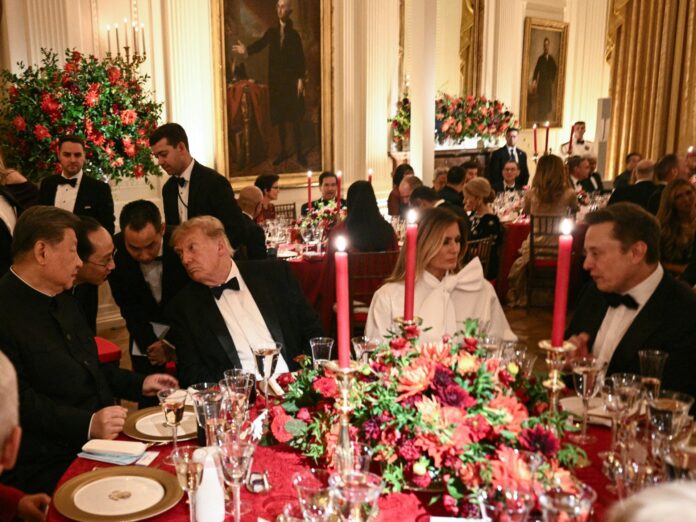
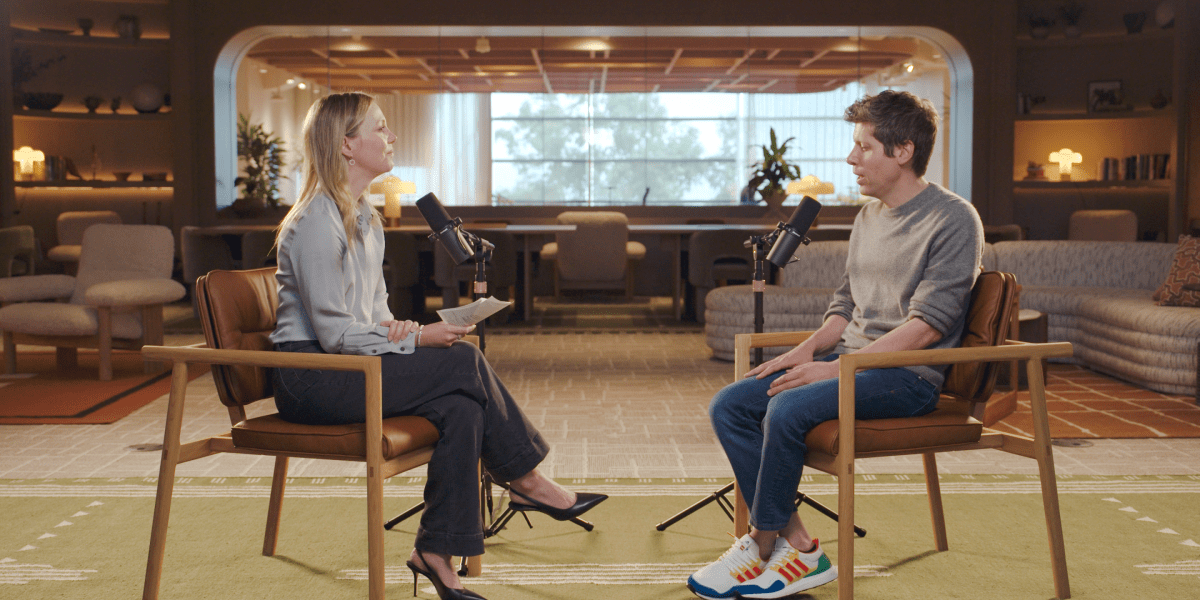
Altman endorsed the proposal that afternoon. His post on X committed OpenAI to the same evaluator-access structure, calling the independent-evaluator pledge a great idea and saying OpenAI would match it, CoinDesk reported. Musk’s reaction was three words: “Dario is right.” The brevity carried its own signal: a founder who spent four years attacking OpenAI did not need to elaborate.
For investors positioned in the hardware trade, the framing matters less than the implication. The trade rests on the assumption that the largest AI labs will continue scaling their most capable models at the pace that has defined the last three years: a pace requiring tens of thousands of H100s and H200s per training run, and that has made Nvidia (NVDA) one of the world’s most valuable companies. A credible consensus among the three CEOs who commission those runs is a structural threat to the demand forecasts that the current valuations require.
OpenAI’s decision to delay its IPO compounded the picture. In an interview with Fortune, Altman confirmed that going public in 2026 would be an “ill-advised moment” given the intensity of safety deliberations under way. “I would say not 2026,” Fortune reported Altman saying. OpenAI, whose valuation has been widely discussed at more than $300 billion, now targets 2027 at the earliest. The same week, the GPT-Live-1 voice API launch for developers confirmed that the company’s commercial push continued even as its public-market ambitions receded.
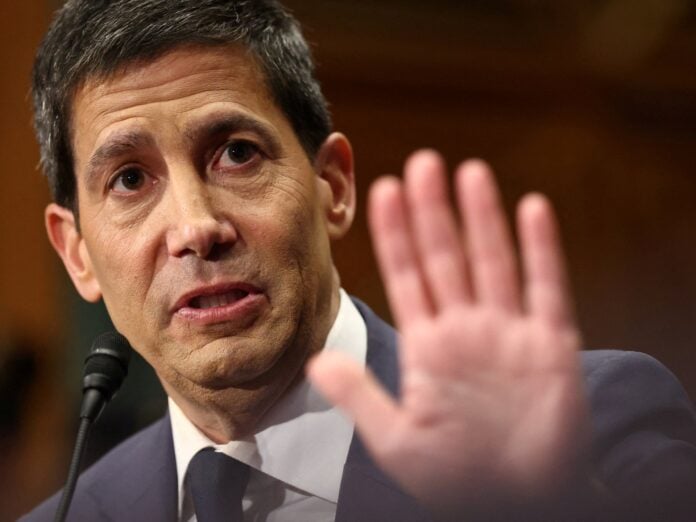
The consensus is not without a critic. David Sacks, who served as the Trump administration’s AI and crypto czar and now co-chairs the President’s Council of Advisors on Science and Technology, expressed qualified support for independent evaluators while challenging the alignment as a potential antitrust problem. Sacks questioned whether METR is genuinely independent given its institutional ties to Anthropic’s investors and staff, and described the broader framework as requiring antitrust law to be suspended “so you can form a cartel.” He has not proposed an alternative governance structure, and the White House has not commented publicly on either the consensus or the cartel characterization.
The macro backdrop adds pressure from a second direction. The Federal Reserve meets Tuesday and Wednesday, with a rate decision due September 17. Eastern Herald’s coverage of August inflation and the Fed’s rate hike outlook documented the roughly 90 percent probability of a 25 basis point increase heading into the meeting, driven by the Iran war’s hold on gasoline prices. A rate hike at a moment when the AI growth narrative is being questioned by the industry’s own leadership is a different kind of compression than any of the previous hikes in this cycle.
What Sacks’ cartel critique leaves unanswered is whether a governance structure strong enough to enforce a slowdown can exist without government authority that none of the participants has endorsed. The three executives are publicly aligned. Whether they remain so when the next training run threatens their relative competitive position is the question the market is actually pricing: not the safety essay, but the behavior it predicts.