
NEW YORK – What investors did not know before Tuesday was this: of every dollar SpaceX $SPCX earned in the second quarter, twelve cents came from launching rockets.
Space Exploration Technologies Corp. posted second-quarter revenue of $7.814 billion in its first public financial disclosure since its June 2026 IPO, a 92-percent increase from $4.071 billion in the same quarter of 2025. The company beat analyst revenue estimates. Net loss for the quarter was $541 million, with an operating margin of negative 1.8 percent.
The filing, a 10-Q submitted to the SEC on Tuesday, broke SpaceX’s revenue into three segments for the first time. Connectivity, Starlink’s satellite internet service, generated $4.291 billion, or 55 percent of total revenue. The AI segment, which includes the X social platform and Grok following SpaceX’s February 2026 merger with X.AI, contributed $2.561 billion. The Space segment, covering Falcon 9 launches and Starship contracts for commercial and government payloads, came in at $962 million.
The segment totals reframe the investment thesis that propelled SpaceX’s June IPO at $135 per share, which raised $85.675 billion net. Investors who expected a rocket company own, by revenue, a broadband provider first, an AI and social media company second, and a launch business third.
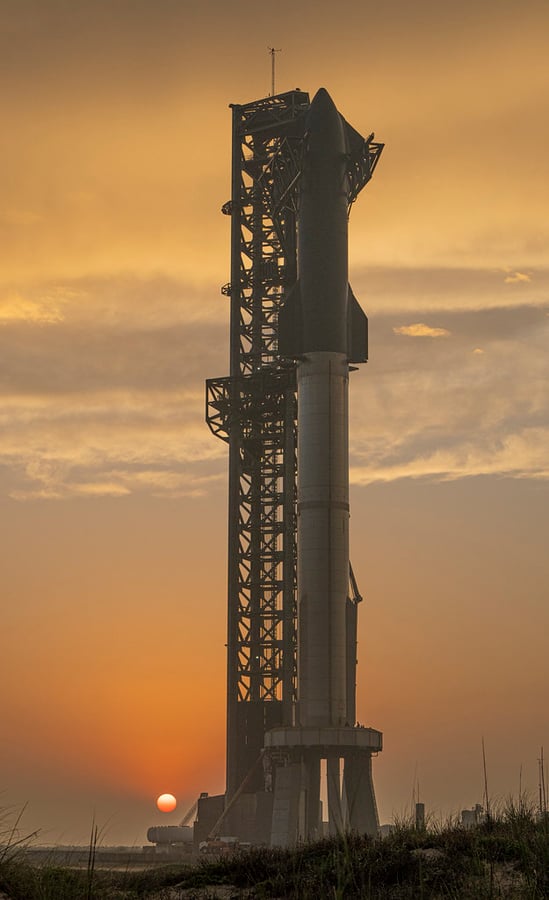
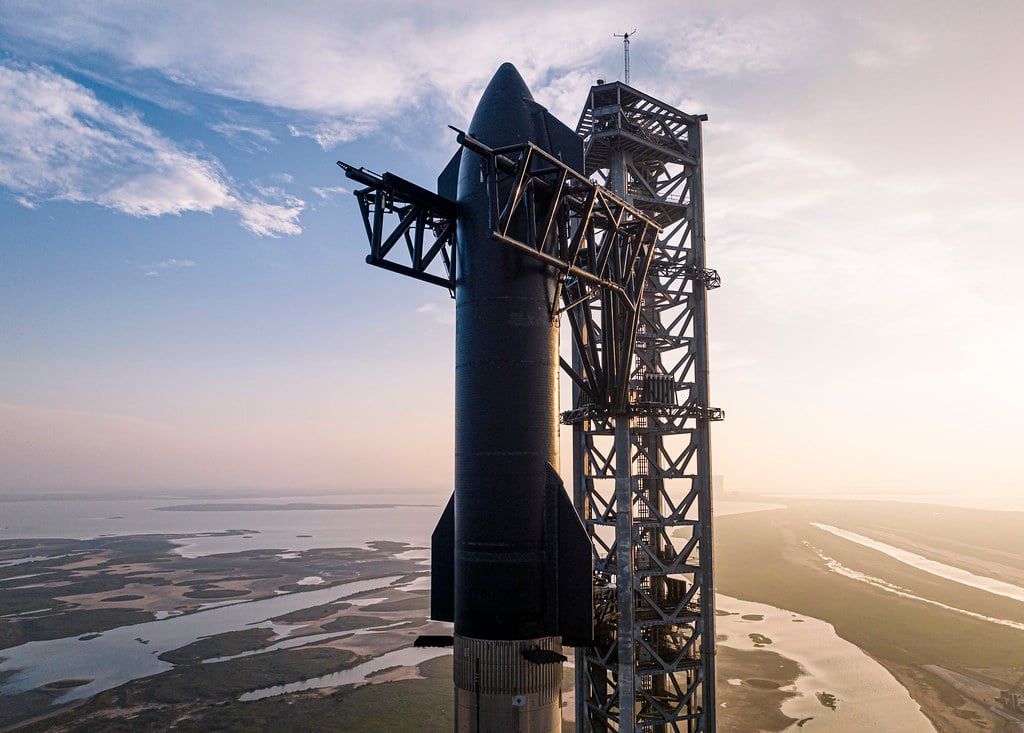
That does not mean the Space segment is irrelevant. SpaceX’s government launch contracts include a $1.6 billion Space Force award for 18 Falcon 9 missions secured in late July, and Starship development continues to represent the company’s most capital-intensive bet. But the rocket business is no longer driving the revenue line, and this is the first filing that confirms it in numbers.
Starlink’s $4.291 billion in the quarter represents a revenue base few communications companies could match. The Connectivity segment’s share of total company revenue implies it is still growing faster than the rest of the business. SpaceX does not disclose subscriber counts in the 10-Q filing, though the company had informally cited subscriber figures above 10 million before the IPO. The revenue trajectory from Q2 2025 to Q2 2026 suggests sustained expansion.
The AI segment requires a closer read. The $2.561 billion figure combines revenue from X platform subscriptions, Grok AI licensing, and whatever compute or infrastructure revenue X.AI contributes after the February merger. The filing does not break these out separately, which means investors are buying the segment as a single line with no internal visibility. Whether Grok is profitable within that segment or whether X’s advertising revenue is growing or declining remains opaque in the current disclosure format.
On the balance sheet, SpaceX held $93.522 billion in cash at June 30, 2026, up from $24.747 billion at December 31, 2025. The jump reflects the $85.675 billion in net IPO proceeds. Capital expenditure in the first half of 2026 reached $28.476 billion. The first-half net loss of $4.817 billion included a Q1 figure that dwarfed the Q2 loss of $541 million, likely reflecting merger and IPO costs. No forward guidance appears in the 10-Q. The full SEC filing is public at EDGAR.
The timing of the release was earlier than expected. Short sellers who targeted SpaceX had been told earnings would come August 12. Instead, the 10-Q arrived Tuesday ahead of what multiple market participants described as an approaching share lockup expiration that could trigger significant volume from insider sales. Reuters estimated the options market had priced in a $225 billion implied swing in market capitalization.
The SpaceX-Tesla merger discussions running alongside the earnings add another layer of uncertainty. Tesla is reportedly weighing the sale of its China business partly to clear national security complications before any combination with SpaceX, whose defense contracts create friction with Chinese commercial operations. Whether that merger proceeds, and how it would affect SpaceX’s segment disclosures, is not addressed in Tuesday’s filing.
The earnings report settles one long-standing debate: SpaceX can generate revenue at scale. Whether it can do so while spending $28 billion every six months on capital projects, and how long the $93 billion cash position gives it runway to try, is the question the company’s next disclosure will need to address.