
DUBAI – The world’s largest cryptocurrency exchange no longer wants to be described as one.
Shunyet Jan, Binance’s head of spot trading and derivatives, told CoinDesk this week that the company is targeting a model closer to WeChat than to any conventional exchange. Already offering tokenized stocks, exchange-traded funds, and stablecoin payment tools alongside its trading core, Binance is positioning the expansion around a single phrase: super app.
“We’re trying to not just be a crypto exchange, but be a super app that involves payment,” Jan said. “If you think of us as a payment provider, then that number becomes much bigger.”
The pivot is not rhetorical. Binance already allows users to receive stablecoins, pay for goods and services, and access financial products within a single interface. Jan noted that Binance employees and executives retain most of their assets on the platform, completing daily transactions through a company debit card linked to the same wallet they use to trade. The product is, in that framing, a proof of concept the company runs on its own balance sheet.
Stablecoins are the engine. Jan said demand for dollar-pegged digital assets has not leveled off; it has transformed in character. Rather than functioning primarily as trading collateral or a speculative vehicle, stablecoins are increasingly used as a medium of exchange, particularly in markets where local currencies are volatile or banking infrastructure is thin. The shift has become structural, and Binance is building its product roadmap around it.
“Sometimes they trust us more than the local government or local banks,” Jan said of the exchange’s emerging market users.
The statement cuts to the core of the opportunity. In Nigeria, where the naira lost more than 40 percent of its value against the dollar between 2023 and 2025, a dollar-pegged stablecoin in a Binance wallet functions as a store of value that a local savings account cannot replicate. In Argentina, where annual inflation remained above 100 percent through 2024, the same logic holds. The addressable market in that frame is not the existing category of crypto users. It is every person for whom a dollar-denominated, instantly transferable digital account would represent a financial upgrade.
Tether’s USDT and Circle’s USDC dominate a stablecoin market that has grown past $150 billion in circulating supply, with daily transaction volumes that routinely exceed PayPal’s on public blockchain networks. The infrastructure, built principally on Solana, Ethereum, and Tron, has reached a level of throughput and cost efficiency that makes cross-border payments competitive with traditional wire transfers. Binance is treating that infrastructure as its payment rail.
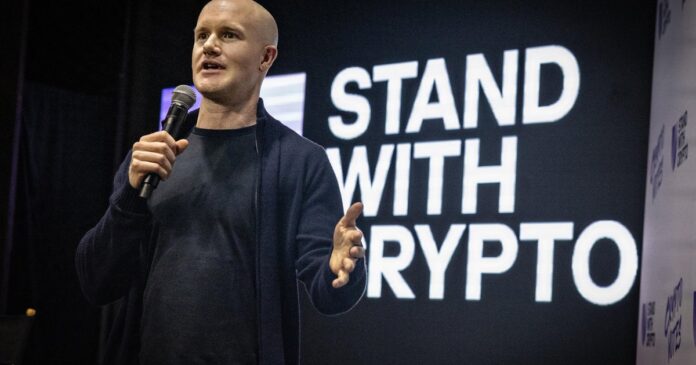
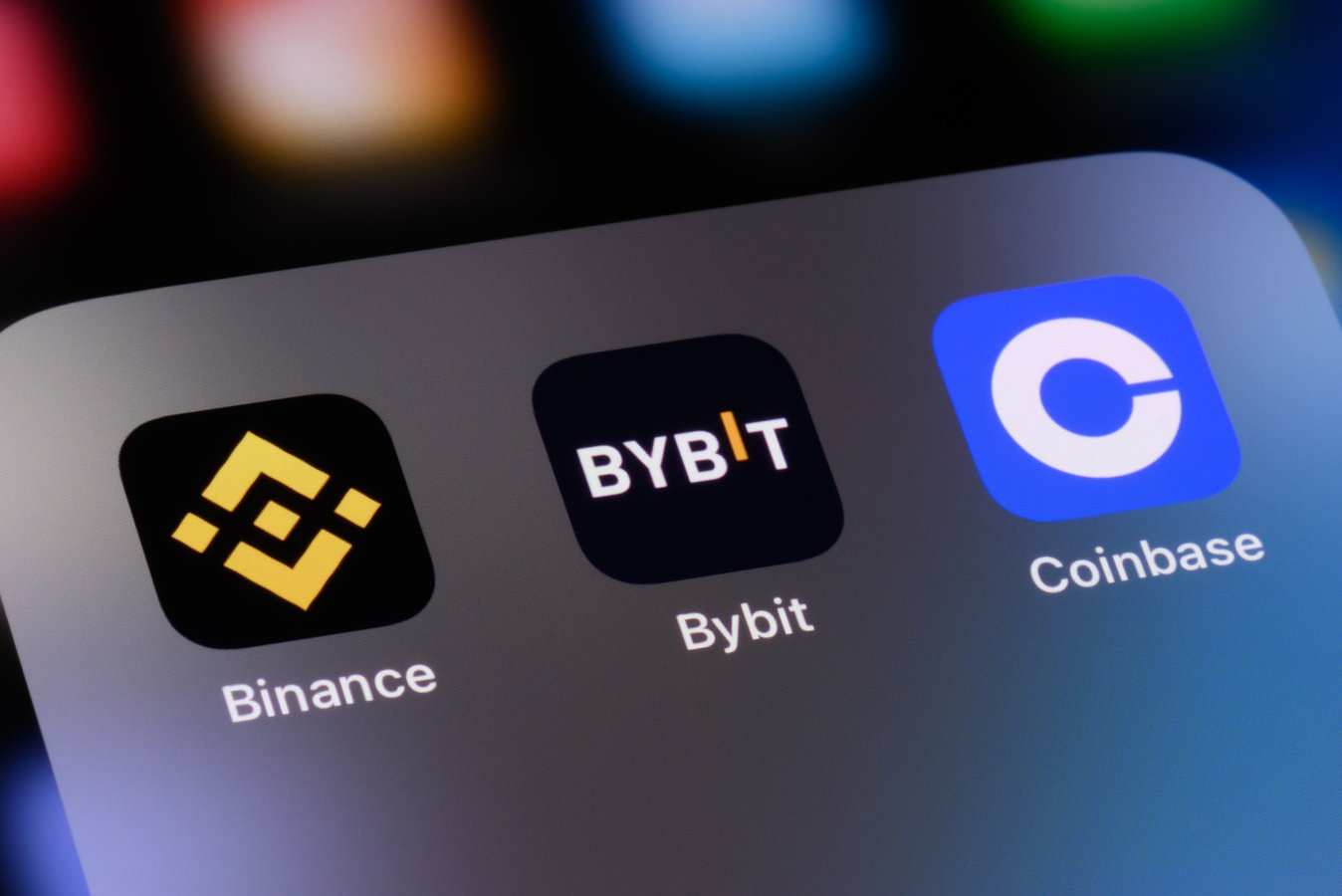
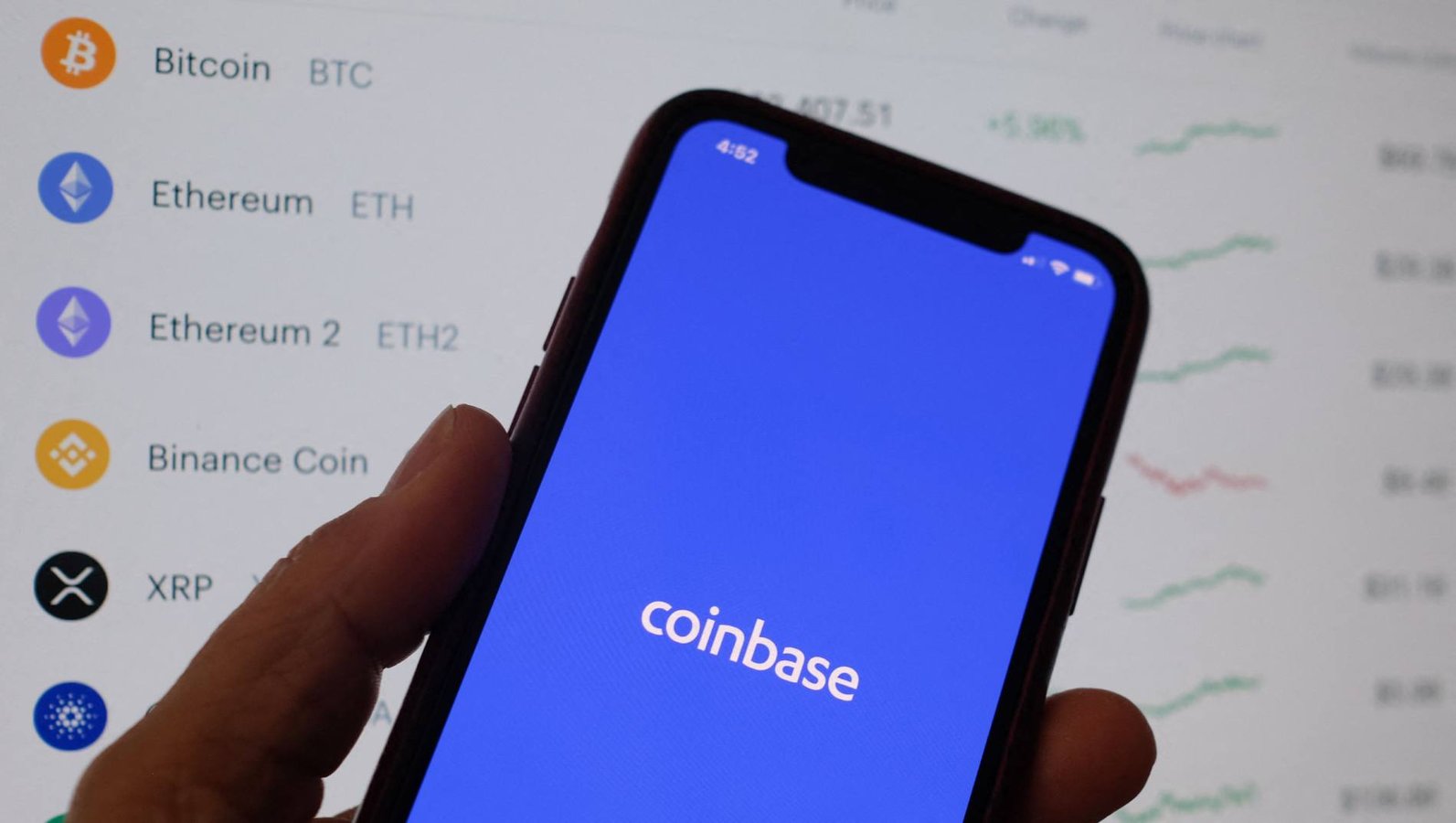
Coinbase has articulated an identical thesis. Brian Armstrong, Coinbase’s chief executive, has publicly described the ambition to build a financial super app comparable to WeChat, a platform used by 1.4 billion people in China not merely for messaging but for payments, investments, and daily commerce. The parallel between the world’s two largest crypto platforms is not coincidental: both have arrived at the same commercial conclusion at roughly the same moment.
The regulatory environment separating their paths is significant. Binance operates in the United States under a 2023 settlement with the Department of Justice that imposed compliance requirements and restricted the product suite available to American users. Coinbase, listed on Nasdaq and regulated under American securities law, is the platform of choice for U.S. retail and institutional buyers. Armstrong’s super app vision is built on American regulatory legitimacy; Jan’s is built on global reach.
Congress moved to address the legal gap in May, when the GENIUS Act, the first federal framework for dollar-backed stablecoins, passed the Senate with bipartisan support. The legislation establishes reserve requirements and issuer rules for the stablecoin market, creating a defined regulatory lane that benefits the payments-focused model both companies are pursuing. What it leaves open is whether companies like Binance, still under DOJ compliance restrictions, can access American users as fully as domestic competitors.
A separate bill, the CLARITY Act, which would clarify which regulator oversees the broader digital asset market, remains stalled over ethics provisions related to officials’ personal crypto holdings. Its passage would resolve jurisdictional questions that have kept institutional capital on the sidelines in the United States, and would matter considerably to Binance if the company’s regulatory standing in the U.S. is fully restored.
The scale of what is at stake in American markets, where the crypto industry has deployed $189 million in political spending this election cycle, reflects how seriously the sector regards the regulatory outcome. For Binance, the emerging market strategy already running is the current business. The super app ambition, in the markets Jan describes, is not a vision. It is already deployed.
Whether the model scales into developed markets where local banks remain trusted is the unresolved question at the center of Binance’s pitch. The users who trust Binance more than a local institution are, by definition, in places where local institutions have given them reason to. In markets where they have not (the United States, the United Kingdom, Germany) the value proposition requires a different argument, and Binance does not yet have one that accounts for that gap.