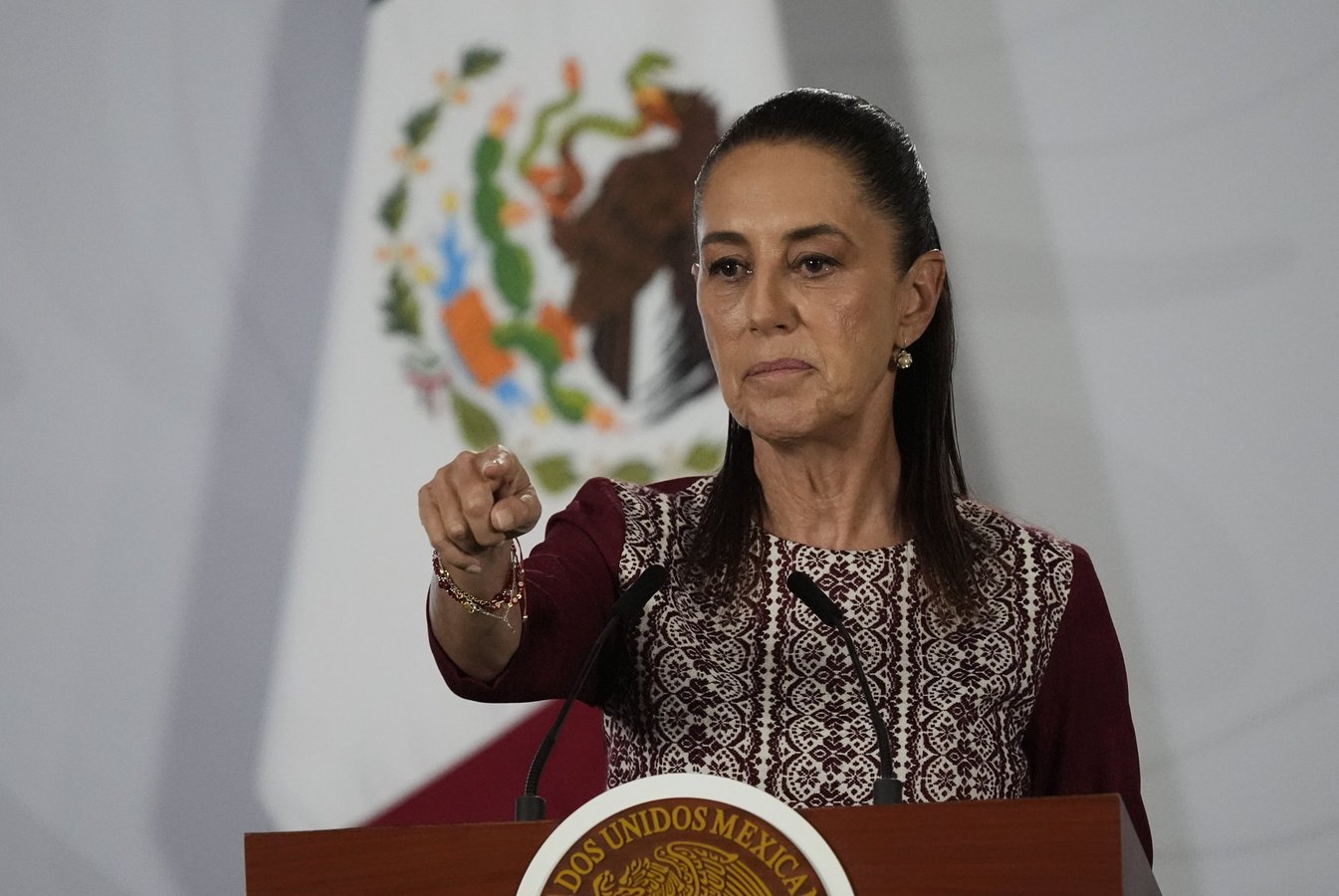

WASHINGTON – When Terry Cole, the Drug Enforcement Administration’s chief, declared that Mexico’s government and the country’s drug cartels were “one and the same,” the response from Mexico City was immediate and unconditional. President Claudia Sheinbaum dismissed the claim as “more like a political statement than one backed by evidence.” On Thursday, the State Department answered with paperwork: two more Mexican criminal organizations now carry the designation of Foreign Terrorist Organization.
The Trump administration formally labeled the Juárez Cartel and Los Viagras as FTOs, publishing the notices in the Federal Register on July 16. The designations – effective July 2 – bring the total count of Mexican groups bearing that label to eight, reflecting an administration that has made the legal reclassification of narco groups a centerpiece of its southern border policy. Secretary of State Marco Rubio, who has warned Western Hemisphere governments they face a binary choice between American friendship and confrontation, stated that both organizations “either have committed terrorist acts or pose a serious risk of committing acts that threaten the security of U.S. nationals or the national security, foreign policy, or economy of the United States.”
The Juárez Cartel is one of Mexico’s oldest drug trafficking organizations. For decades, it has controlled a critical crossing point along the central US-Mexico border: Ciudad Juárez, directly opposite El Paso, Texas. That corridor has become one of the primary conduits for fentanyl entering the United States, a fact federal prosecutors have used repeatedly to frame the group as a direct threat to American lives rather than a foreign crime problem at a comfortable distance.
Los Viagras emerged later and with a different character. Founded around 2013 in the western state of Michoacán, the group initially fought alongside armed civilian self-defense forces against the Knights Templar cartel before evolving into an independent criminal enterprise built on drug trafficking, extortion and systematic violence. Nicolás Sierra Santana, identified by prosecutors as the group’s operational leader, was indicted in Washington last June on transnational narcotics conspiracy charges. The State Department has placed a $5 million reward for information leading to his capture – a bounty program that mirrors the tools Washington typically reserves for overseas jihadist networks.
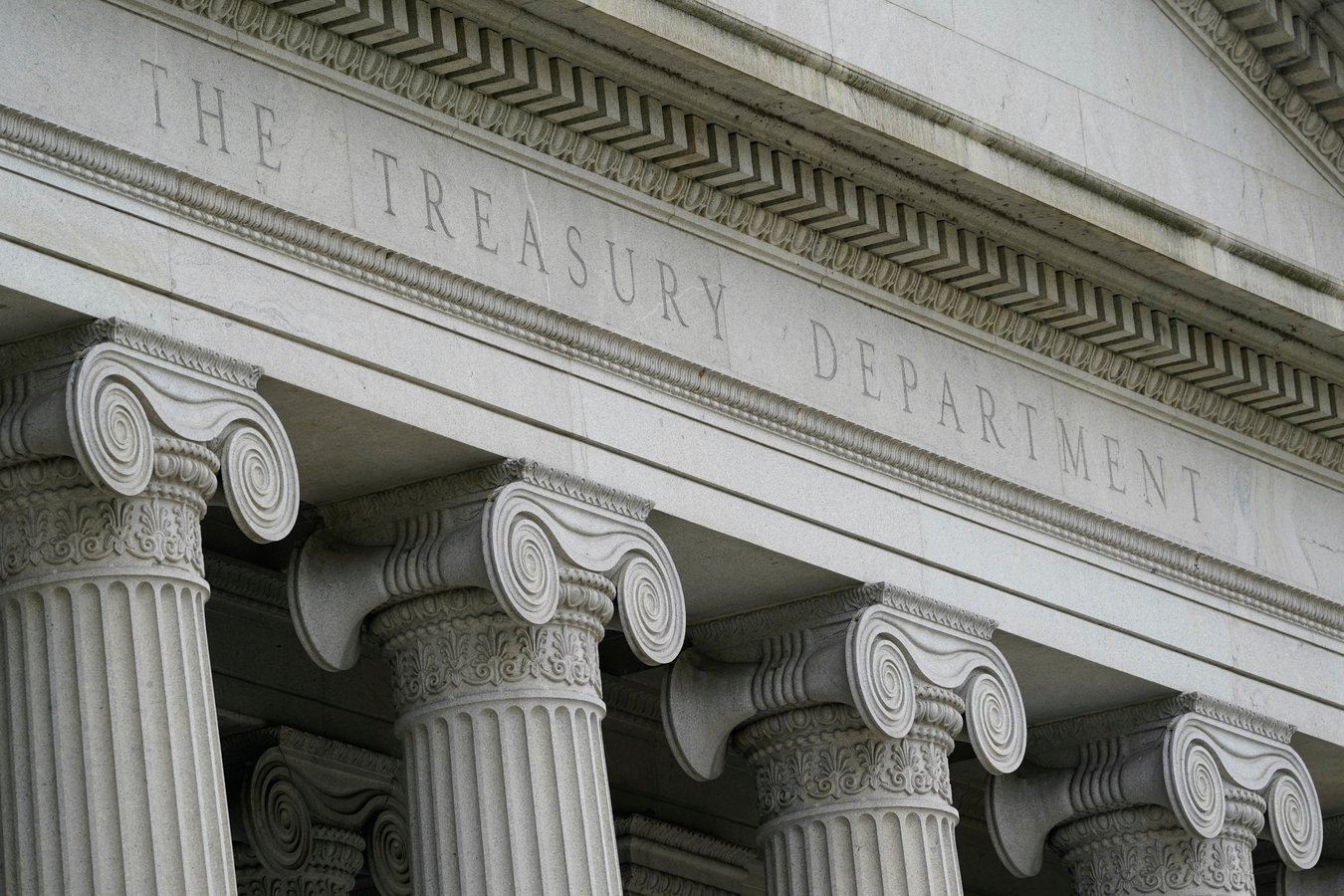
The practical consequences of FTO designation are immediate. US banks and financial institutions are legally required to freeze any assets connected to the two groups. American citizens and companies are barred from conducting transactions with them. The Treasury Department, which simultaneously published a Specially Designated Global Terrorist notice for both organizations, gave foreign businesses a clear warning: knowingly dealing with either cartel now carries the risk of secondary sanctions – a mechanism Washington has deployed with increasing frequency to pressure intermediaries well beyond its own borders.
The two cartels join the Sinaloa Cartel, the Jalisco New Generation Cartel, the Gulf Cartel, the Northeast Cartel, Cárteles Unidos and La Nueva Familia Michoacana on the FTO list, making Mexico the most heavily represented country in a designation system originally designed for jihadist organizations and Cold War-era insurgencies. The shift in how Washington categorizes these groups is not merely semantic – it opens legal authorities that law enforcement designations alone do not.
Sheinbaum’s government has contested each step of this framing. Mexico filed formal criminal complaints with US prosecutors over deaths of Mexican nationals during the Trump administration’s deportation operations, signaling that the bilateral relationship has deteriorated well beyond policy disagreement into something closer to institutional confrontation. When the DEA chief’s remarks about government-cartel fusion circulated this week, as Al Jazeera reported, Sheinbaum’s communications team was ready within hours.
The escalation continues a pattern the Trump administration established earlier this year when it moved to pursue terrorism charges against Mexican government officials suspected of cartel ties, reframing a narcotics enforcement problem as a matter of national security law that permits broader executive authority. FTO and SDGT designations are the paperwork component of that same strategy: they build a legal record while squeezing the financial infrastructure cartels rely on to move money across borders.
What Sheinbaum has not addressed – and what Washington’s designations do not settle – is whether formal terrorist labeling materially degrades cartel capacity or primarily serves as diplomatic leverage over Mexico City. Michoacán remains one of Mexico’s most volatile states. The Juárez corridor still moves fentanyl in volume. And the Sinaloa Cartel, the first group designated under this administration, has not ceased operations since its FTO label took effect.
That gap – between the legal architecture Washington is building and the conditions on the ground in northern and western Mexico – is where the real measure of this campaign will eventually be taken. Eight designated groups is a number; what it produces in reduced violence, interdicted shipments or prosecuted leaders is the answer that no press release from Foggy Bottom has yet provided.