
BEIRUT — The Lebanese minister responsible for assessing the environmental damage from the conflict with Israel said Thursday that a clause in the framework agreement requiring Beirut to halt complaints about Israeli conduct amounted to a surrender of the country’s moral right to seek accountability — a direct challenge to President Joseph Aoun’s characterisation of what Lebanon had accepted.
Tamara Elzein, Lebanon’s environment minister, was responding to remarks Aoun made earlier this week in which he argued the complaints suspension applied only for the duration of negotiations and did not constitute a permanent waiver. Elzein declined that reading. “The clause in the framework agreement that provides for the cessation of all complaints regarding crimes committed by Israel constitutes a renunciation of even Lebanon’s moral right,” she said.
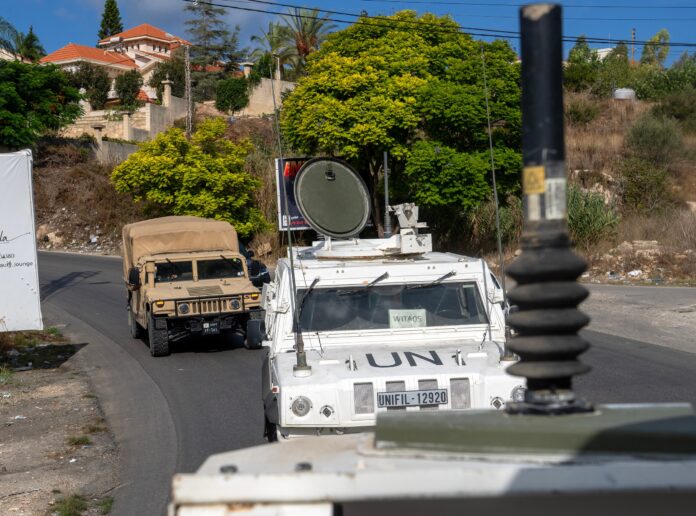
The framework agreement was signed on June 26. It provides for a phased withdrawal of Israeli forces from all Lebanese territory they currently occupy and the transfer of those areas to the Lebanese army. The timetable for that withdrawal has not been fixed, and Lebanese authorities are still unable to reach many of the areas affected by the conflict because Israeli forces have not yet departed and no schedule has been established.
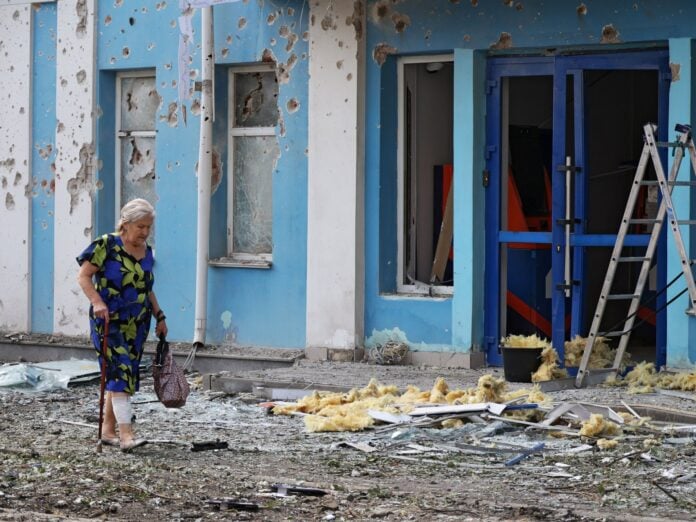
That inability to access territory has compounded the environmental accounting problem. Lebanon estimates the environmental damage from the conflict at more than $512 million. Total direct losses from the conflict as a whole could reach $11 billion, not counting indirect costs. Those figures are built on incomplete surveys because the areas hardest hit are still beyond the reach of Lebanese inspectors.
Elzein’s statement carries a specific institutional implication beyond the accountability question. Lebanon participates in international environmental initiatives that use complaint mechanisms as tools for deterring violations — a lever that, under the framework agreement’s complaints-suspension clause, Beirut cannot use while negotiations continue. The minister said this limitation extended to those international bodies and not only to direct bilateral claims against Israel.
The dispute over what Lebanon gave away in the framework agreement reflects a tension that has run through Lebanese domestic politics since the ceasefire. The withdrawal provisions do not specify a date, Israeli forces remain on Lebanese soil, and Israeli military operations inside Lebanon have continued even after the agreement was signed. Iran, which is not a party to the document, has consistently objected to the framework’s failure to require a full Israeli departure as a condition rather than a goal.
Aoun’s interpretation — that the complaints pause is temporary and procedural — has functioned as the government’s public framing of a document that critics inside and outside Lebanon regard as asymmetric. A cabinet minister publicly characterising a core provision as a renunciation of moral rights is something different from parliamentary opposition. It is internal executive dissent at a moment when the withdrawal process is stalled and the $512 million environmental damage figure cannot be verified because inspectors cannot reach the affected zones.
Whether Elzein’s statement reflects a broader cabinet view or a minority position within the government is not yet clear. The Lebanese government has not publicly responded to her remarks. What is clear is that the agreement, as she read it, left Lebanon without the ability to hold Israel accountable for documented conduct — and that no amount of executive reassurance changes that reading of the clause itself.