

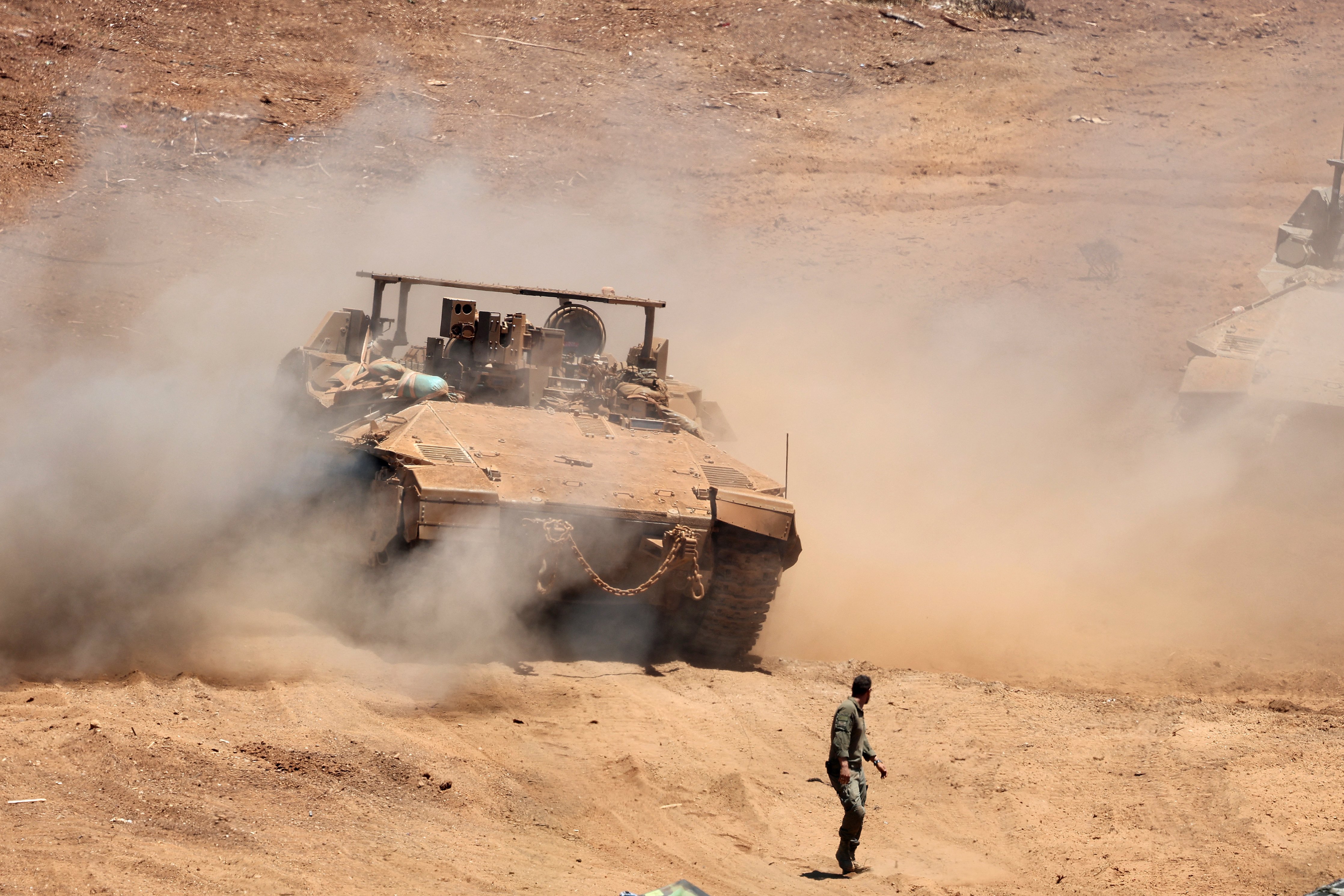

BEIRUT – The first clause of the Islamabad Memorandum of Understanding commits all parties to an “immediate and permanent termination of military operations on all fronts, including in Lebanon,” with a further obligation to ensure Lebanon’s “territorial integrity and sovereignty.” Iran signed that clause. Israel did not sign the MoU. As the Doha round concluded on July 1 with its “positive progress” statement, Israel held approximately one-fifth of Lebanese territory and had no plans to leave.
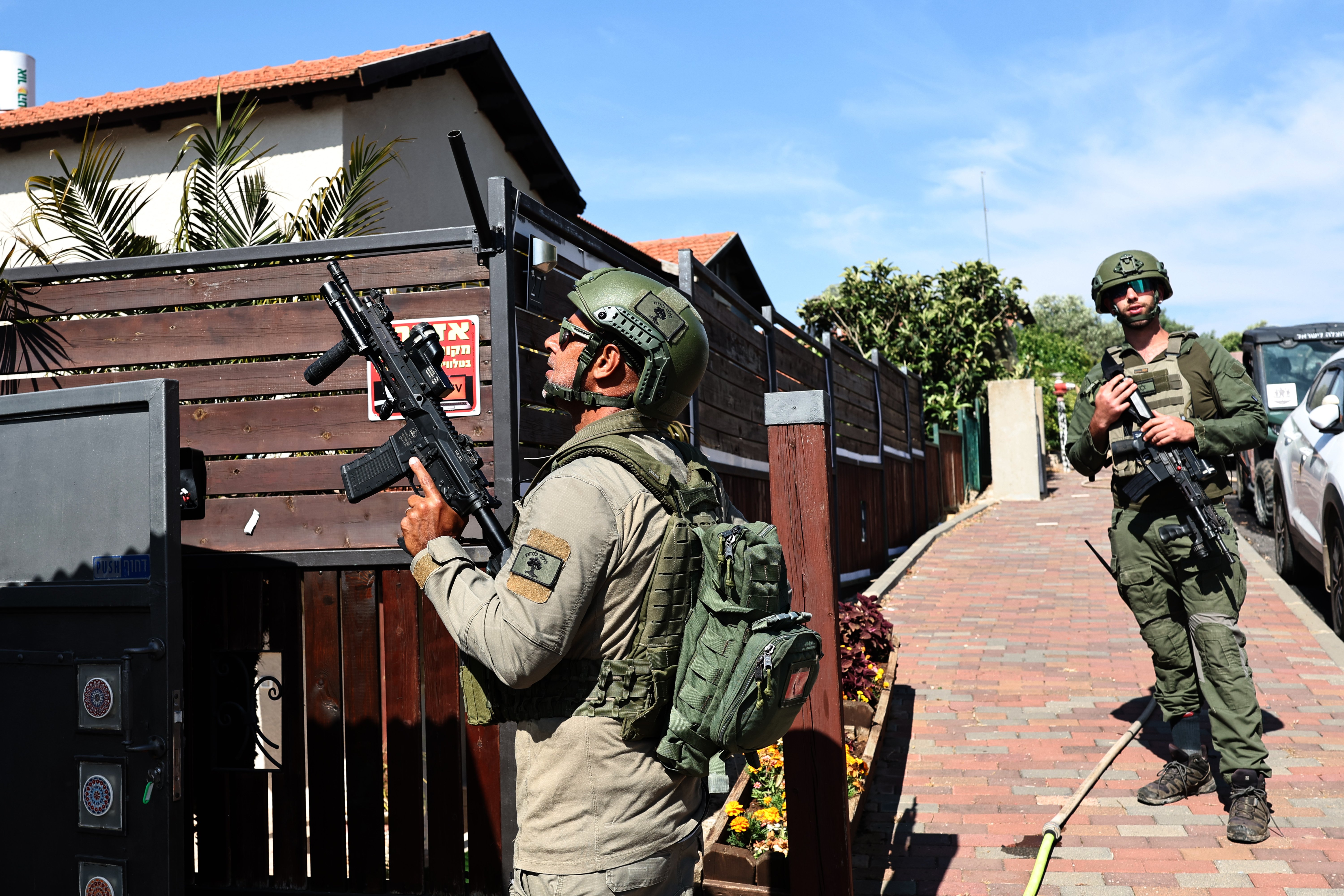
Prime Minister Benjamin Netanyahu said his military “will not leave” Lebanon while Hezbollah remained a threat. Defense Minister Israel Katz said Israeli forces would not pull back “a millimetre” until Hezbollah was fully disarmed. Netanyahu had separately stated, after the MoU was signed in Islamabad, that Israel considered itself “not bound” by the agreement’s terms and published an expanded military control map for southern Lebanon. The United States had signed the MoU with a Lebanon clause that implied Israeli withdrawal was either agreed or achievable.
Secretary of State Marco Rubio spent four days brokering an alternative framework. The Trilateral Framework Agreement, signed by Israel, Lebanon, and the United States, establishes a “pilot program” under which the Lebanese Armed Forces would gradually assume positions currently held by the Israeli Defense Forces in southern Lebanon, with US monitoring and verification support. The US presented this as providing Israel a “withdrawal pathway” consistent with MoU Article 1. Al Jazeera reported that Iran characterizes the framework as contradicting the MoU’s provision, while US officials maintain it aligns with Article 1 by providing a withdrawal pathway.
Iran said the Trilateral Framework violated the MoU’s spirit. Hezbollah called it “humiliating, shameful and a surrender of sovereignty” and rejected it outright. The two parties whose acceptance would make the framework meaningful – Iran as the MoU’s cosignatory, and Hezbollah as the armed actor whose disarmament Israel conditions its withdrawal upon – have both refused the document the US is presenting as the answer to the Lebanon clause.
The tension produced the most visible escalation of the MoU window. On June 20, three days after Islamabad, Iran closed the Strait of Hormuz, explicitly citing violations of the MoU’s first clause. Iran’s IRGC followed with a warning that any ship deviating from Tehran-approved routes would face “an immediate and forceful response” – a posture it maintained even as Iranian diplomats in Doha were describing positive progress. The Qatari civilian killed by Iranian shrapnel on June 28 was one casualty of a military exchange that the Lebanon clause’s contested status helped trigger.
The Doha round was specifically designed to address Lebanon alongside Hormuz. Kushner and Witkoff arrived in Qatar not for the formal technical talks – those were conducted by Iranian Deputy Foreign Minister Kazem Gharibabadi at a separate table – but to work the Lebanon file directly with Qatar’s Emir, Sheikh Tamim bin Hamad Al Thani. What that meeting produced has not been disclosed. Qatar’s readout described “positive progress” across the agenda without specifying what form Lebanon progress took, or whether any progress was made at all.
The structural problem the Trilateral Framework creates for the MoU is specific. The MoU requires an “immediate and permanent” halt to military operations. The Trilateral Framework’s “pilot program” is a phased process, not an immediate withdrawal. Iran’s position, stated through multiple channels, is that Article 1 means what it says: Israel must leave. The US position is that a withdrawal pathway satisfies the clause’s intent. The MoU’s text does not resolve the ambiguity in the US’s favor. The Soufan Center’s July 1 analysis noted that most experts assess Iran’s opposition will not trigger outright MoU abrogation – but that assessment was made before the Doha round failed to produce a Lebanon resolution.
There is also a question of whether Hezbollah’s rejection of the Trilateral Framework removes any Iranian incentive to accept it. Iran’s senior clerics have already publicly broken with the new supreme leader over the Islamabad MoU, creating internal pressure on any concession that looks like abandoning the resistance axis. A framework Hezbollah calls “a surrender of sovereignty” is not one Iran can endorse without signaling to its proxies and its domestic audience that the resistance posture it has maintained since 1982 is available for American negotiation.
The next Doha round – still undated, contingent on the conclusion of Khamenei’s burial on July 9 – will face the Lebanon question more directly than the first. The negotiating window is 38 days. The Trilateral Framework is in place but rejected by the parties whose acceptance would make it work. Israel has a cabinet commitment affirming it will not withdraw. The US has no visible mechanism to compel that withdrawal. Kushner’s meeting with Qatar’s Emir was meant to address exactly this gap – and what it produced has not yet been disclosed.
The MoU was signed with a Lebanon clause. The clause describes something that has not happened and shows no sign of happening within the 38 days available. What the next round will do with that gap depends on whether Kushner’s undisclosed Qatar conversation produced something the public readout did not reflect – or whether the Doha process has already reached its ceiling on a question the United States cannot answer without a confrontation with Israel it has shown no appetite for.













