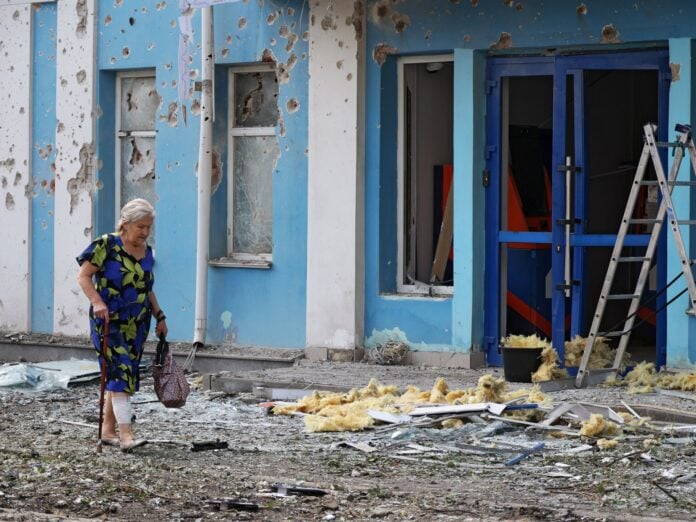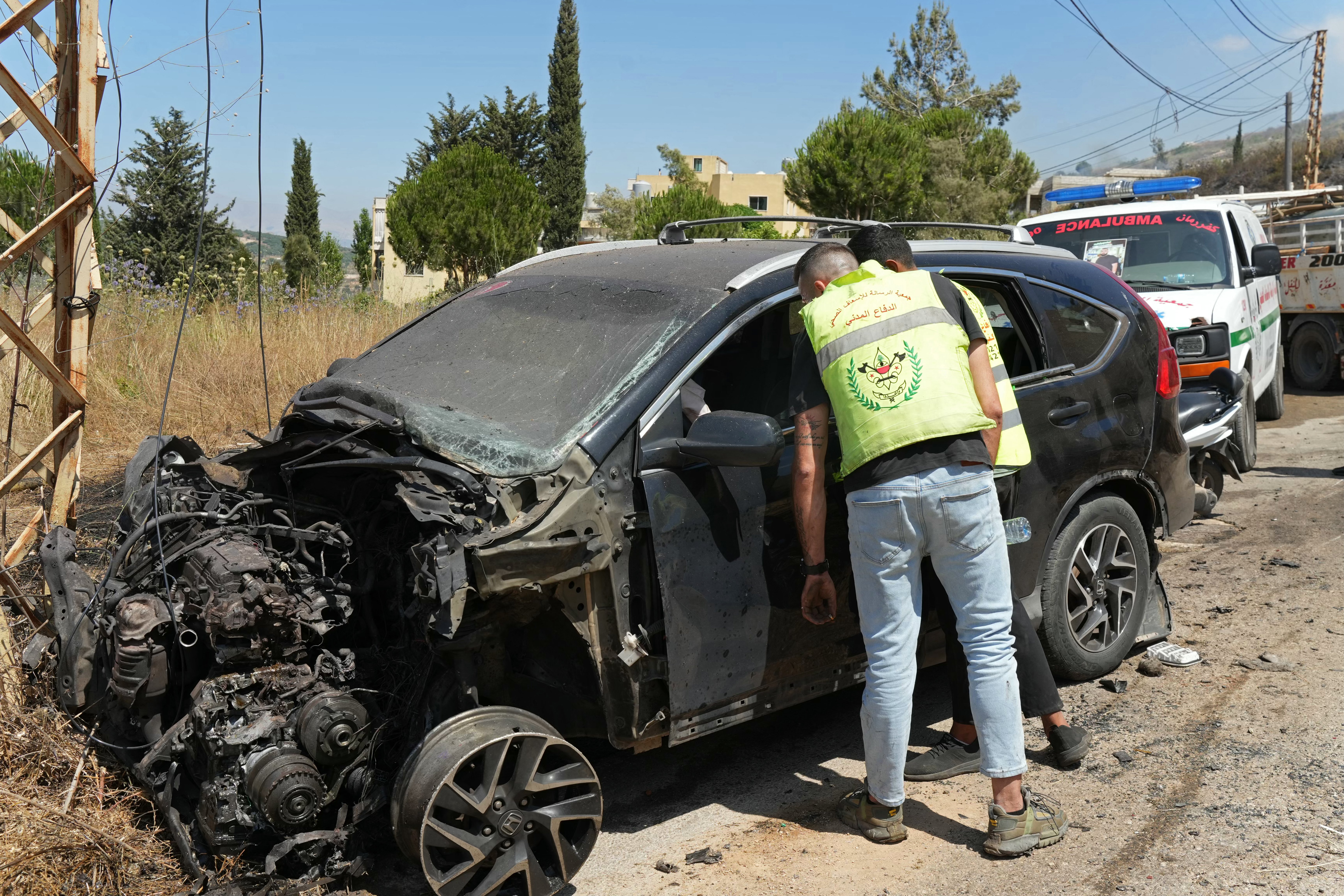

BEIRUT – An Israeli drone struck a pickup truck unloading garbage in the village of Choukine on Friday morning, injuring two workers who had no warning before the explosion. A second strike hit Kfar Dajjal, a kilometre up the road in Nabatieh district, before Israeli drones reached Kfar Reman, Nabatieh al-Fawqa, and the border town of Khiam later in the day. By Friday evening, Lebanon’s Ministry of Public Health had recorded 4,321 deaths and 12,204 injuries since Israeli military operations resumed on March 2.
The strikes came on the same day Amnesty International published a detailed account of Israeli strikes in March that killed twenty-four people, including twelve children, across Tyre and Sidon districts. Amnesty called on all states to pursue war crimes investigations and demanded an arms embargo against Israel for what it described as attacks showing “a callous disregard for civilian lives.” Kristine Beckerle, Amnesty’s Crisis Response director, said Israeli forces had “obliterated entire families” in a week of operations.
The combination of new strikes and a major human rights report landed against the backdrop of a framework agreement the United States brokered on June 26, intended to create a pathway toward Israeli withdrawal from Lebanese territory. The framework established a CENTCOM-monitored pilot zone in parts of southern Lebanon but did not require Israel to leave. Critics noted from its announcement that the agreement contained no mechanism to halt ongoing strikes, a gap that Friday’s attacks on sanitation workers made explicit.
Lebanon’s government has filed complaints with the United Nations Security Council over Israeli violations of Lebanese sovereignty. Those complaints have produced no binding response. Israel has not publicly acknowledged the specific strikes in Nabatieh on Friday, a pattern it maintained through months of operations in which villages across the south were struck without Israeli military comment.
The Amnesty report focused on a sequence of March strikes in Tyre district that killed twelve children from a single family in their home, and separately killed two parents and their infant. Investigators documented the strikes using satellite imagery, survivor testimony, and weapons fragments. The fragments identified the munitions as US-manufactured bombs, making the call for an arms embargo directed at Washington as much as Tel Aviv. No US government response had been issued by Friday evening.
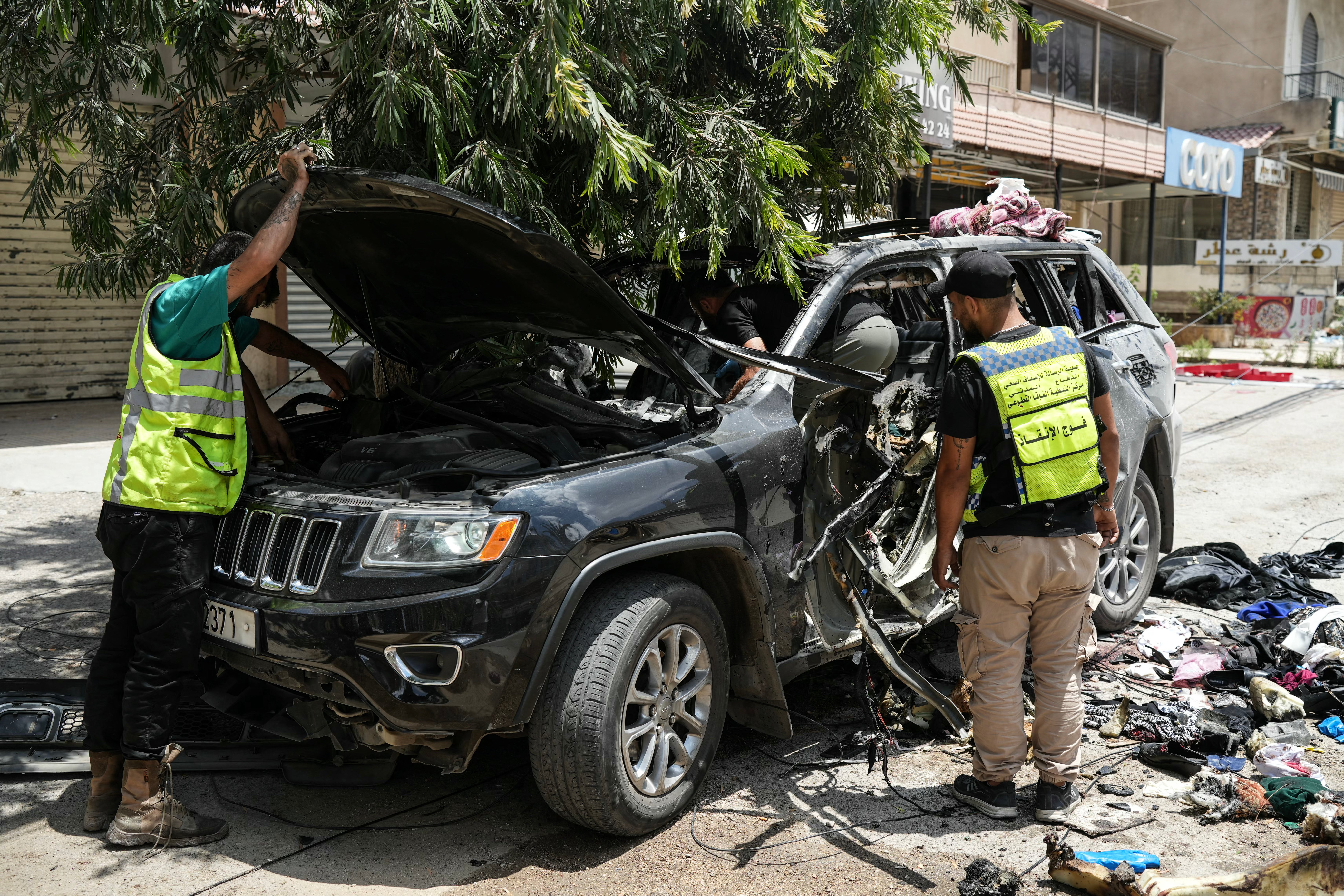
Nabatieh district has been among the most consistently struck areas of southern Lebanon since March. Israeli drone operations there have targeted vehicles, buildings, and individuals across multiple villages, with Nabatieh strikes documented since June killing armed and unarmed individuals alike. The district sits north of the area Israel has designated as a security zone, meaning that strikes there occur in Lebanese territory Israel does not claim to be controlling.
The garbage truck strike in Choukine underscored what Lebanese civil defence officials describe as a pattern of targeting civilian vehicles and workers. Sanitation crews operate in early morning hours across southern Lebanese villages because daytime operations have become too dangerous. Friday’s attack hit workers during what should have been their safest operational window.
By Friday afternoon, international attention was divided between the Amnesty report and the parallel humanitarian situation in Gaza, where Israeli operations have also drawn war crimes accusations. Lebanon has largely disappeared from diplomatic discussions dominated by the US-Iran conflict and Gaza negotiations. Amnesty’s report was an attempt to return Lebanon’s civilian toll to international attention, arriving months after strikes that generated relatively little diplomatic response at the time.
The US framework deal, according to Al Jazeera, does not require Israeli military withdrawal and has no enforcement mechanism preventing strikes outside the designated security zone. What it created, in practice, was a diplomatic cover that allowed both sides to claim progress while operations continued. Friday’s strikes on garbage workers in Nabatieh made the gap between the agreement’s stated purpose and its practical effect impossible to ignore.
The question Amnesty’s report left open, and that Friday’s strikes did nothing to resolve, is who holds the standing to hold Israel accountable. The International Criminal Court has issued arrest warrants for senior Israeli officials over Gaza operations. Lebanon’s case at the Security Council is blocked by the US veto. An arms embargo has been proposed in the European Parliament and rejected. Friday ended with two injured sanitation workers in Choukine and 4,321 names on Lebanon’s official death register, a number that has risen every week since March.