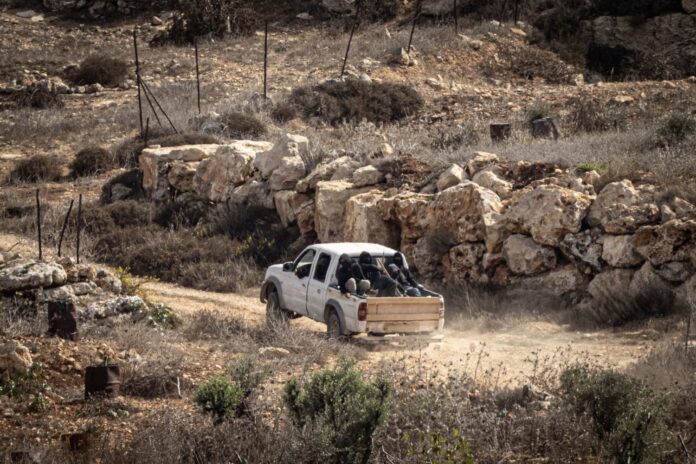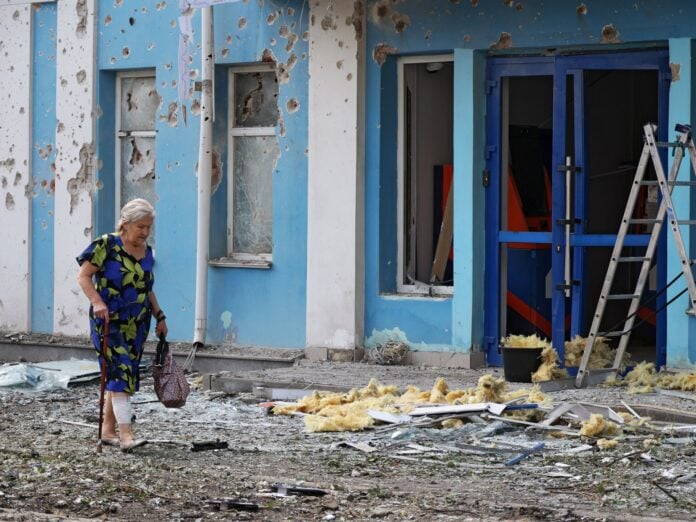

BEIRUT – Two men are dead, killed in their car by an Israeli drone on a road near Nabatieh on Thursday, the third consecutive day that a drone strike has taken lives in southern Lebanon.
The attack hit a vehicle on the Tallat al-Dabsha road near Kfar Reman in the Nabatieh district, according to Lebanon’s National News Agency. A day earlier, a drone struck a car on the road linking the towns of Zawtar and Mayfadoun in the same governorate, killing three people, Anadolu Agency reported. The pattern has become a daily register of the same places, the same weapons, and the same outcome.
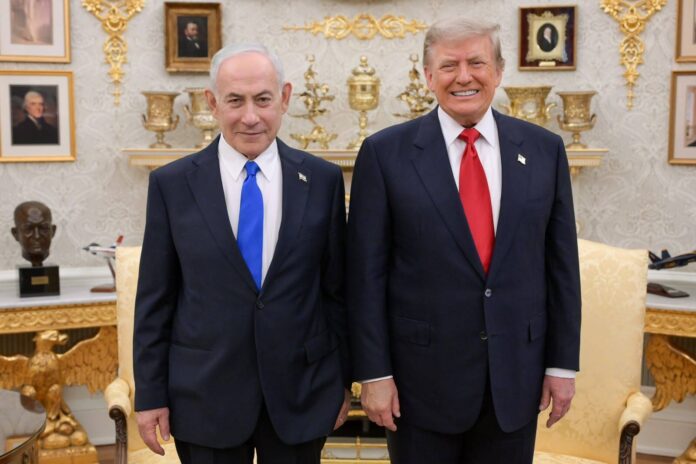
On the same Thursday, Benjamin Netanyahu made public what his government had been signaling for weeks. The Israeli prime minister told a military audience that troops would not leave the strip of Lebanese territory Israel has held since March. “As long as I am prime minister,” Netanyahu said, “we will maintain the security zone in Lebanon.”
His defense minister had been more specific two days earlier. Speaking at an officers’ graduation ceremony, Israel Katz told graduates that Israeli forces would remain in the zones they now occupy in Lebanon, Syria, and Gaza indefinitely. Katz added, according to TASS, that troops would not leave even if the United States demanded it.
The sentence carries a precise implication. It is a defense minister of the most significant American arms client in the Middle East saying, formally and publicly, that American demands carry no weight on this question.
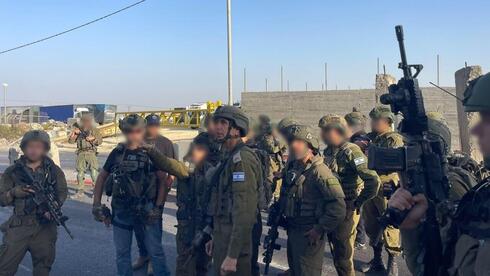
Israel has held a strip of southern Lebanese territory roughly 570 to 600 square kilometers in size since March 2, the day the current military operations began. The Israeli military calls it a security zone. Lebanon’s government, its armed forces, and the United Nations call it an occupation. More than one million Lebanese civilians who left their villages in the south during the fighting have been unable to return because Israeli forces have blocked movement back into the zone, Lebanese authorities said. Entire villages sit empty while Israeli units operate within them.
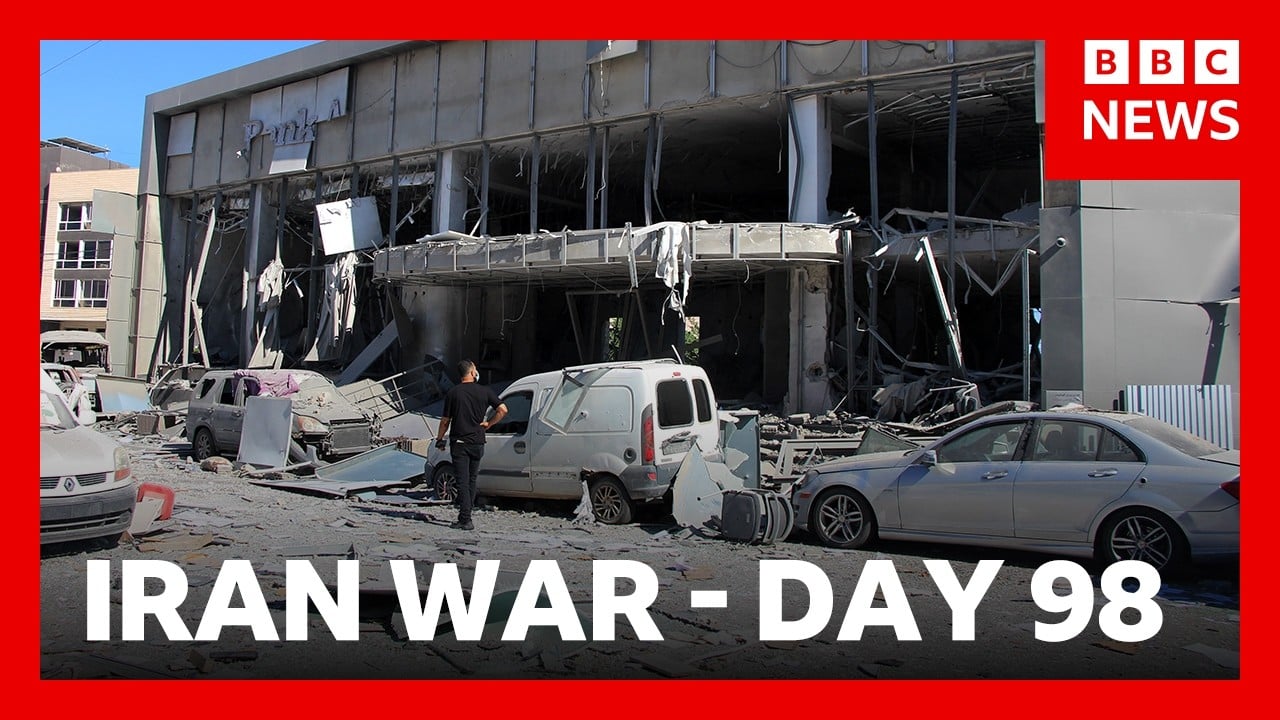
The ceasefire that came into effect on June 19 was described by Washington as a foundation for a political resolution. It was built on the same diplomatic framework as the United States-Iran agreement, the one that has already seen a Hormuz cargo strike and that Iran and the United States have spent days in public dispute over terms.
The Lebanon piece of that framework was meant to create conditions for an Israeli withdrawal and allow civilians to return home. Instead, since the ceasefire was renewed last week, Israeli forces have struck southern Lebanon every day. Al Jazeera’s correspondent reporting from the area said Israeli forces were targeting “anyone or anything” in front-line villages, Al Jazeera reported, a characterization the Israeli military has rejected. Lebanon’s Ministry of Public Health has counted more than 4,100 dead since March 2.
Kfar Reman sits in Nabatieh Governorate, in the hills where Israeli drone coverage has been continuous since the fighting began. The two men killed on Thursday were moving through a corridor Israeli forces have targeted multiple times this week. What they were doing is not known. What is known is what happened to them, CBC News reported.
The legal question of whether Israel can maintain a zone of occupation in Lebanon without a formal end to hostilities and without United Nations authorization is not one Israeli officials have publicly engaged with. Netanyahu’s formulation, “as long as I am prime minister,” frames the question as personal commitment rather than strategic calculation. Katz’s word, “indefinitely,” frames it as policy. Whether either formulation represents genuine long-term annexation of southern Lebanon or a maximum-pressure opening position for negotiations that have not yet begun is something neither the Israeli government nor its interlocutors have answered.
Hezbollah has not responded to the week’s strikes with its own fire, a posture its leadership has framed as adherence to the ceasefire’s terms. The group has said repeatedly that any Israeli military presence on Lebanese soil constitutes a violation of the agreement in its own right. How long Hezbollah holds to that restraint while Israeli drones continue to kill people in Nabatieh is a question the ceasefire agreement has no mechanism to answer.
The 1.2 million Lebanese who cannot return to their villages are not simply waiting for a ceasefire to hold. They are waiting for an Israeli government that has now publicly declared their villages lie inside a permanent Israeli security zone to change that position. The distance between waiting for a truce and waiting for a formal policy reversal is not a small one.
The United Nations Interim Force in Lebanon, mandated to monitor the area, has documented ongoing Israeli airspace violations in its regular updates, mostly drones. UNIFIL patrols have not been able to access the zone Israel controls. Lebanese state institutions, including the army, have been excluded from it.
Washington has not publicly clarified what follows from Katz’s statement that the United States’ demands carry no binding force over Israel’s positioning in Lebanon. The ceasefire framework and the Iran deal represent the most substantial American diplomatic investment in the region since this administration took office. Whether that investment produces leverage over a government that has declared its intentions without qualification is the question hanging over every contact between American officials and their Israeli counterparts, and over every road in southern Lebanon where Israeli drones are still operating.