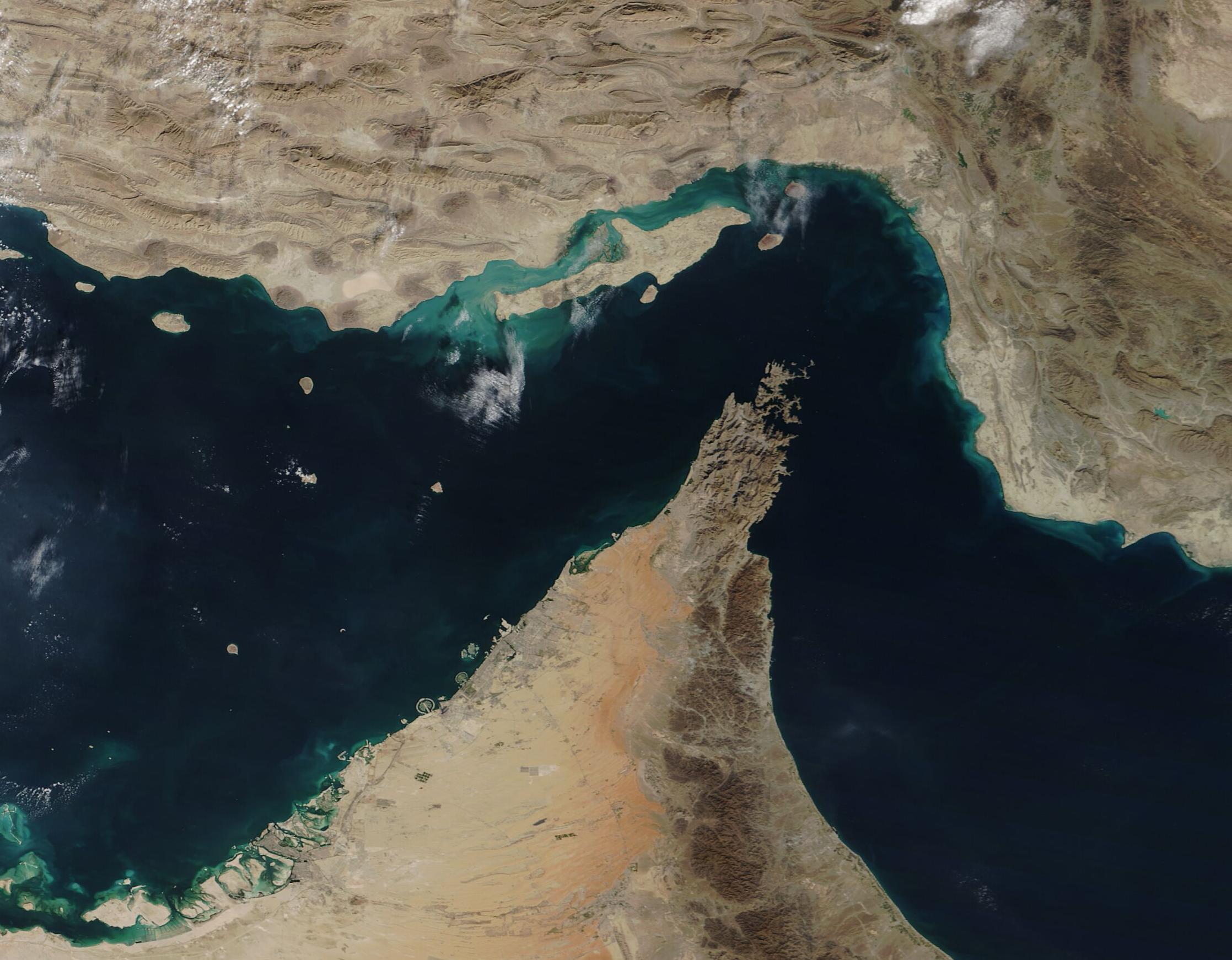

DUBAI — They had been waiting since February. On Thursday, the International Maritime Organization’s Day of the Seafarer, roughly 11,000 mariners stranded in the Persian Gulf dared to believe the wait was nearly over. Oman had announced a new transit route through the Strait of Hormuz the previous day; ships were crossing. Then a drone struck one of them.
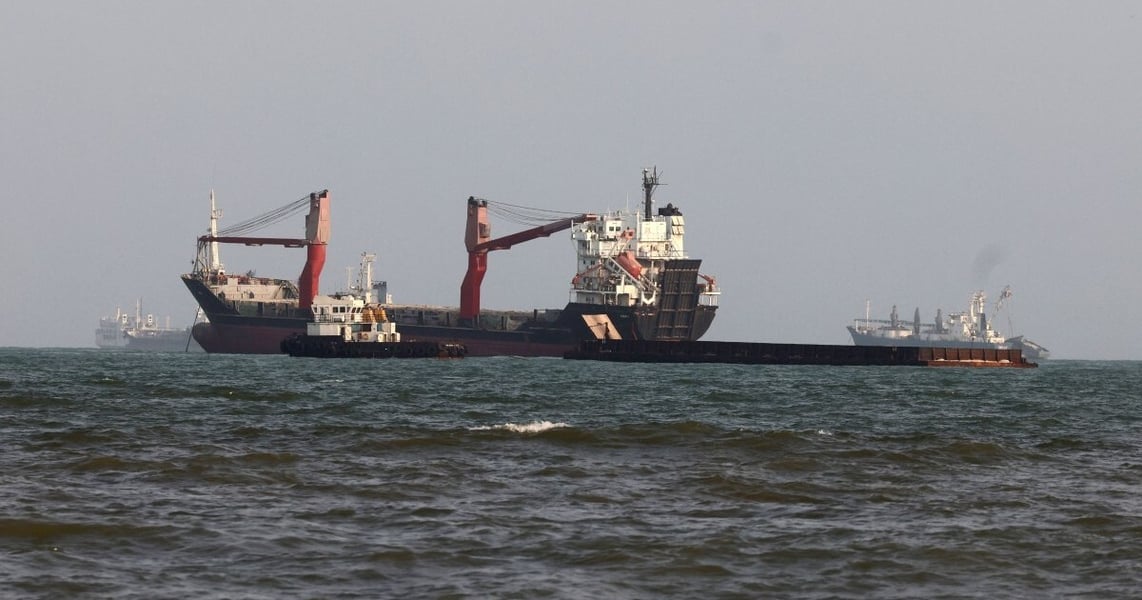
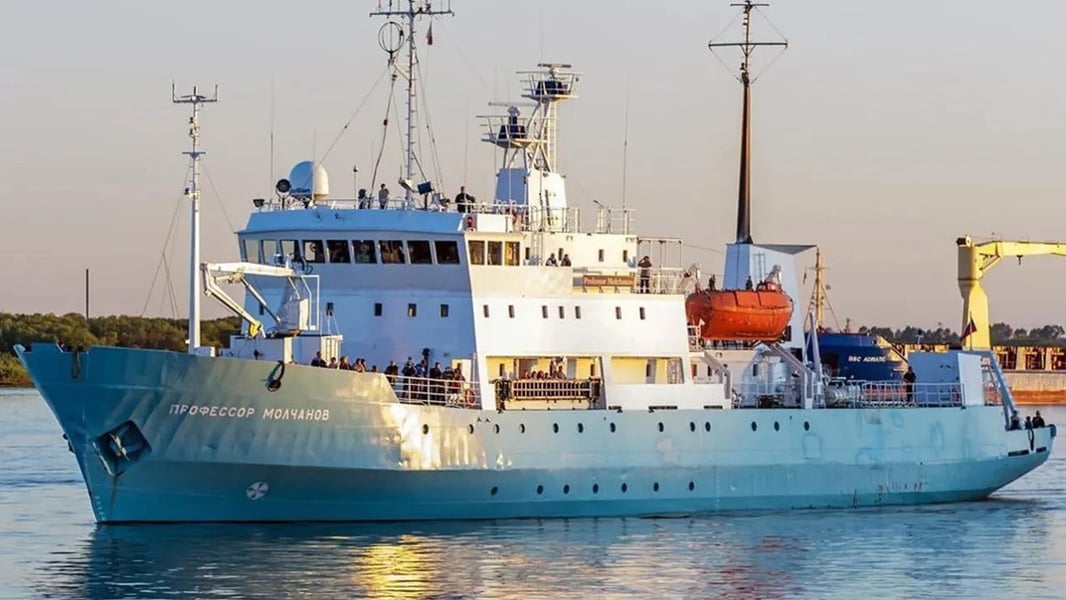
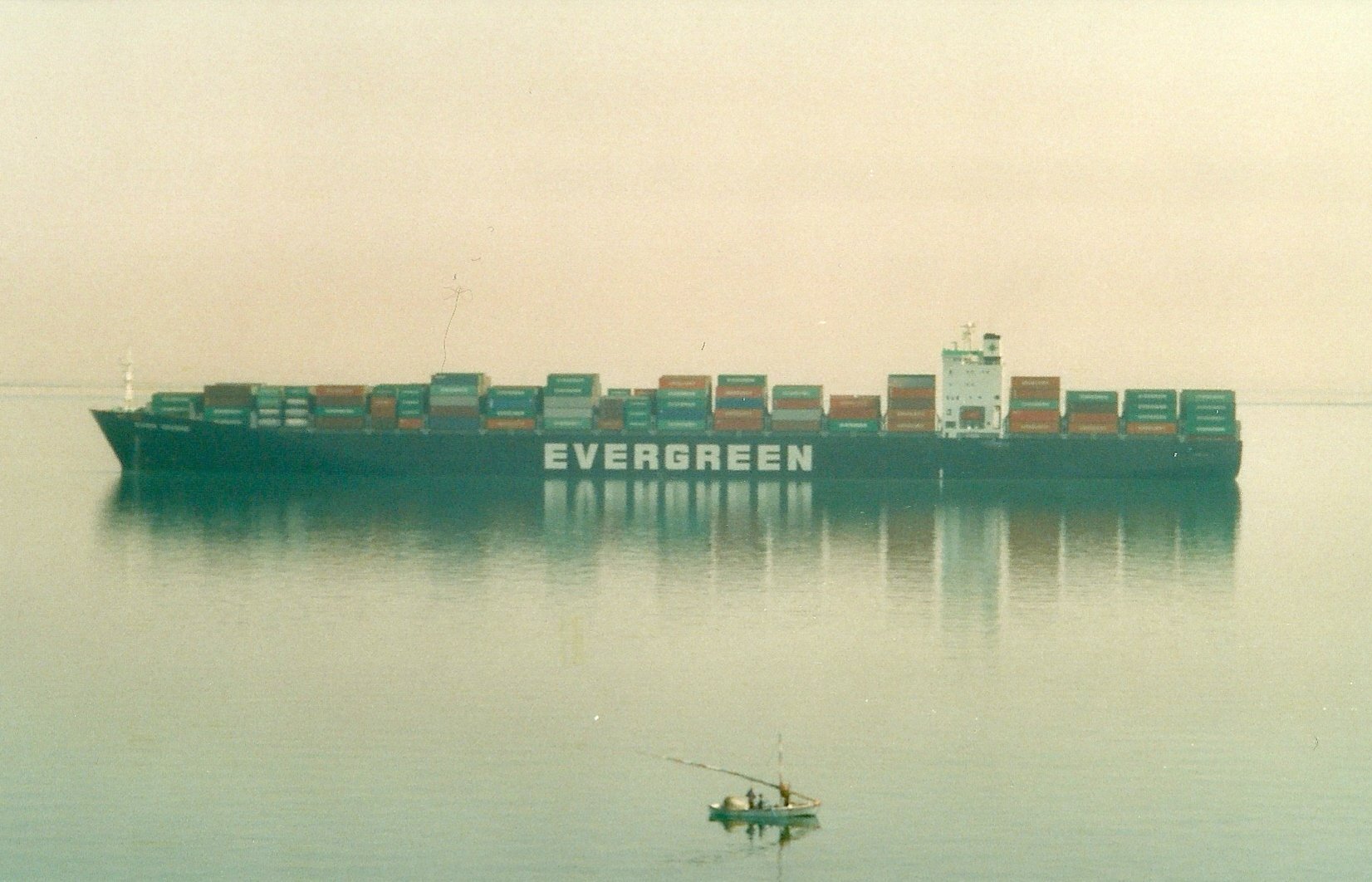
The vessel was the Ever Lovely, a Singapore-flagged container ship operated by Taiwan’s Evergreen Marine Corporation. It was 7.5 nautical miles southeast of the Omani port of Dahit when a projectile struck its starboard side, damaging the bridge. The master reported no casualties and no environmental impact. Two US officials confirmed to CNN that Iran’s Islamic Revolutionary Guard Corps was responsible, targeting the vessel with a drone. Iran made no immediate public statement on the incident.
The Ever Lovely was not on the IMO’s official evacuation list. It was, however, using the new transit route that Oman had announced the previous day in coordination with the IMO, a route Tehran had not been consulted on and that the IRGC’s naval arm had declared unacceptable within hours of its announcement.
“Certain authorities have announced a new shipping route through the Strait of Hormuz without prior notification to or coordination with the Islamic Republic of Iran,” the IRGC Navy said Thursday morning, calling the proposed route “completely dangerous.” The broadcast was unambiguous: transit only on IRGC-approved routes, with permission, with automatic identification systems active. “No permission, AIS off, or off-route, and you carry the consequences.”
Hours later, the Ever Lovely sailed off-route. Iran delivered the consequences.
The question of who administers transit through the Strait is not merely tactical; it is the core unresolved issue of the 60-day ceasefire framework signed on June 17 in Islamabad. Under that memorandum, Tehran committed to allowing free commercial passage “with no charge” for 60 days while Washington agreed to waive sanctions on Iranian oil exports through August 21. But the document also required that, after the 60-day window, Iran would “conduct dialogue with the Sultanate of Oman to define the future administration and maritime services in the Strait of Hormuz.” As EH’s coverage of Rubio’s Gulf tour documented, Gulf states had grown increasingly alarmed by what the MOU leaves unresolved on maritime governance.
That dialogue was supposed to happen on a diplomatic schedule. The Oman/IMO route, announced unilaterally on Wednesday, forced the question before Tehran had agreed to a framework.
Iranian Foreign Minister Seyed Abbas Araghchi had signalled Tehran’s position carefully. Speaking after a call with his Omani counterpart, Badr Albusaidi, Araghchi said the two countries were “determined to pursue discussions” on the future administration of the Strait, and that while transit tolls are not permissible under international law, “charges for services provided will be collected.” For Tehran, free passage and sovereign administrative authority over the waterway are separate questions, and Oman’s move had conflated them without consent.
The evacuation plan that the attack effectively suspended had been a landmark undertaking. Thousands of seafarers have been stranded aboard vessels in the Persian Gulf since Tehran closed the Strait of Hormuz in late February in response to US and Israeli air strikes. As traffic began recovering under the ceasefire, maritime data showed 70 to 80 ships transiting the strait in the 24 hours before the attack. Oil markets had already begun pricing in a return to Hormuz normalcy, with crude futures falling on expectations the corridor would hold.
“I have decided to temporarily pause its implementation in order to reconfirm that the necessary safety guarantees continue to be in place for the ships on our evacuation list and all those in the region,” IMO Secretary-General Arsenio Dominguez said in a statement after learning of the attack. Several vessels had already been successfully moved before the pause went into effect.
The irony was palpable. The Day of the Seafarer, marked annually by the IMO to honour the global maritime workforce, became the day the organization’s most urgent humanitarian operation was frozen.
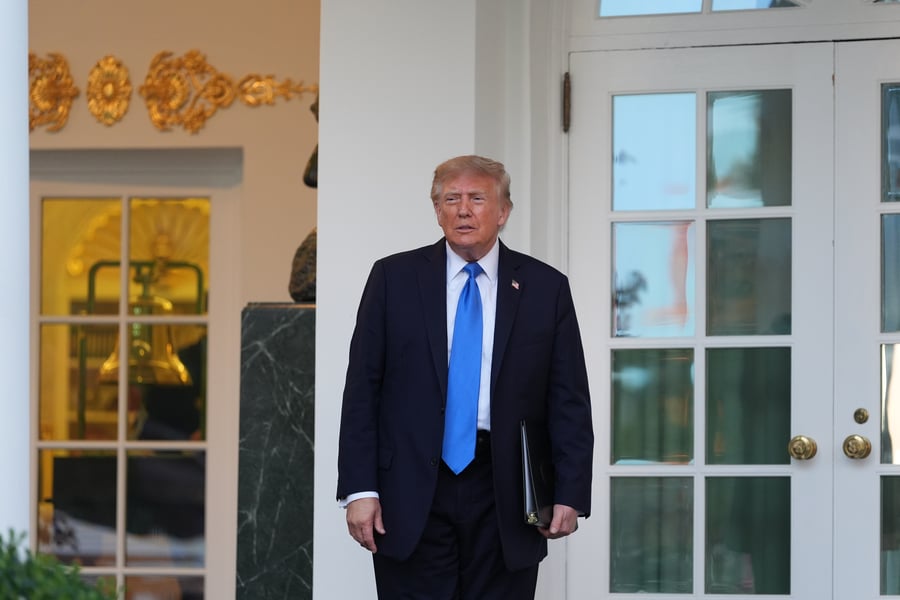
Washington’s response was pointed but calibrated. Secretary of State Marco Rubio, who had concluded a three-day Gulf tour on Wednesday with a warning that Hormuz transit fees would spread “like a contagion” to other waterways, said the attack would not deter the United States from defending freedom of navigation. President Trump maintained that the Strait “is open.” US forces reportedly shot down at least some Iranian drones launched at the waterway during the incident, Al Jazeera reported.
The episode puts significant pressure on a ceasefire framework that was already fragile. Congressional battles over the Iran war’s $87.6 billion price tag had already exposed fissures in Washington’s political consensus behind the ceasefire strategy. Technical working groups on nuclear inspections, sanctions termination, and reconstruction had only recently been established in the aftermath of the Switzerland talks led by Vice President JD Vance. The Ever Lovely incident is a direct test of whether the Islamabad framework can absorb military actions by the IRGC without collapsing, and whether Iran’s Foreign Ministry exercises actual control over IRGC field decisions in the Strait.
What neither side has been willing to say aloud is the most consequential question: whether Thursday’s strike was a deliberate policy signal from Tehran, a calibrated assertion that sovereignty over Hormuz is non-negotiable, or a field-level IRGC action the Iranian Foreign Ministry did not authorize and cannot easily disavow. The answer would reframe the diplomatic situation entirely.
Araghchi’s move to schedule bilateral talks with Oman on the future administration of the Strait suggests Iran’s political leadership still wants a negotiated framework. Whether the IRGC Navy sees it the same way is, for now, unanswered.
Related Posts