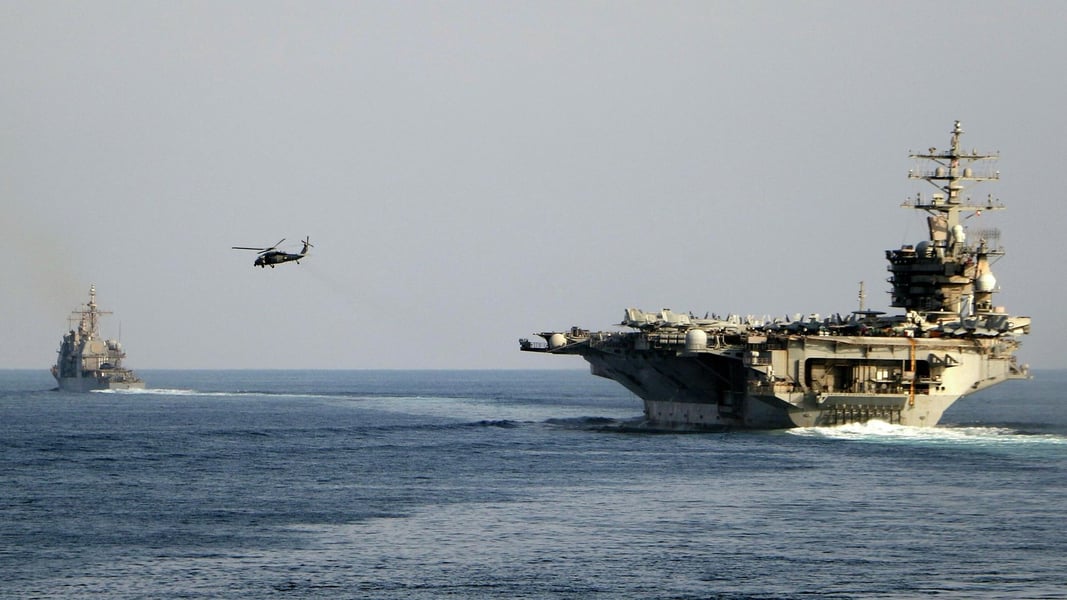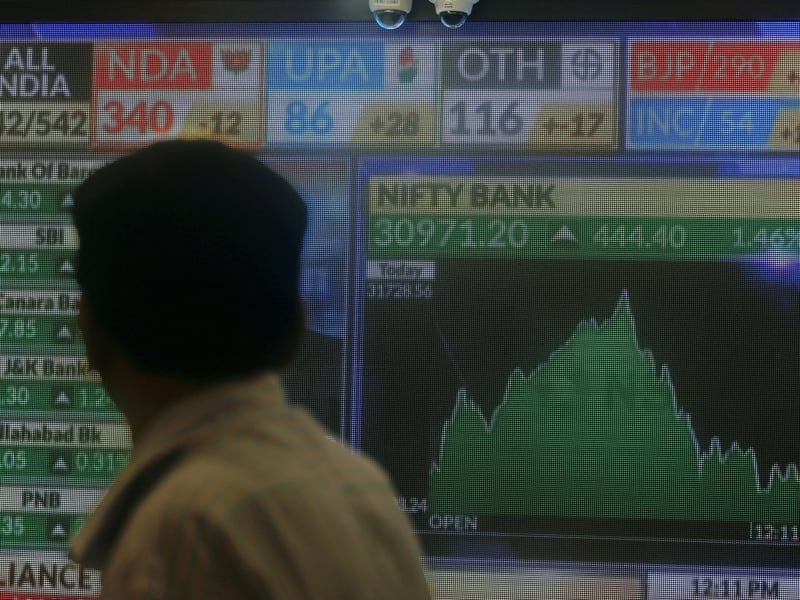

LONDON – Crude oil fell for a fourth consecutive session on Thursday as Brent touched $73 a barrel and West Texas Intermediate slid below $70, completing the erasure of most of the risk premium markets had built over more than three months of fighting between the United States, Israel, and Iran.
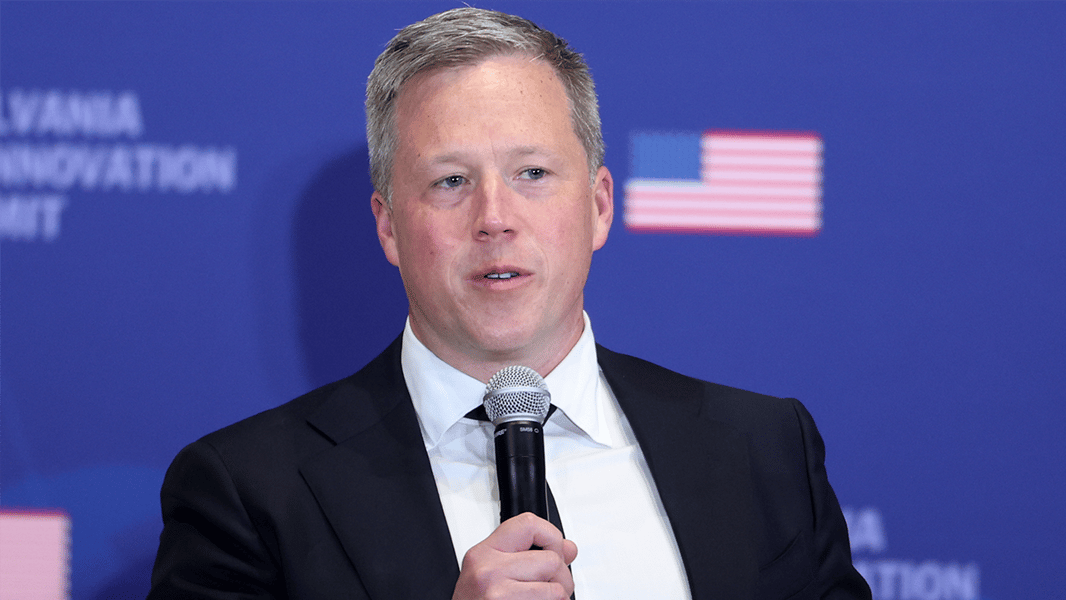
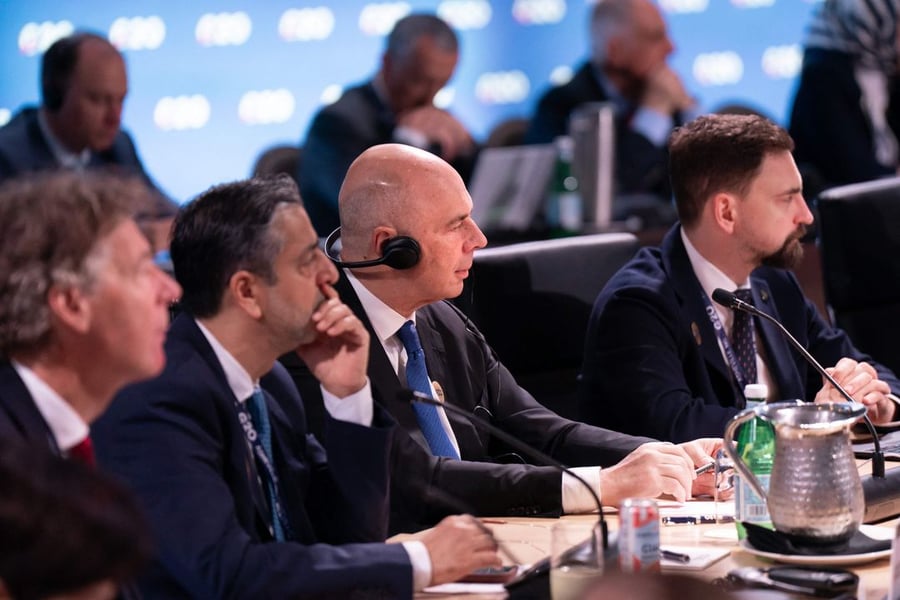
The proximate driver is Friday. The United States and Iran reached a formal agreement to end the war, with Pakistani mediators confirming a signing ceremony is scheduled in Switzerland at the end of this week. The accord – negotiated by Vice President JD Vance for Washington and Iranian parliament Speaker Mohammad Bagher Ghalibaf for Tehran – calls for an immediate halt to military operations on all fronts, the reopening of the Strait of Hormuz, and the release of $12 billion in Iranian assets frozen under US sanctions.
Goldman Sachs cut its Brent crude forecast for the fourth quarter to $80 a barrel on Thursday, down from $90. The bank’s commodities desk moved its estimate for when Persian Gulf crude exports would recover to pre-war levels from end-August to end-July – a one-month acceleration that, it said, reduces fair value for Brent by roughly $10 a barrel for Q3 and $5 for Q4. Goldman still embeds a risk premium in its $80 target. Dan Struyven, who leads the bank’s oil research, noted that Iran “might effectively close the Strait again even after re-opening” should nuclear negotiations, which are scheduled to begin only after the ceasefire is signed, collapse.
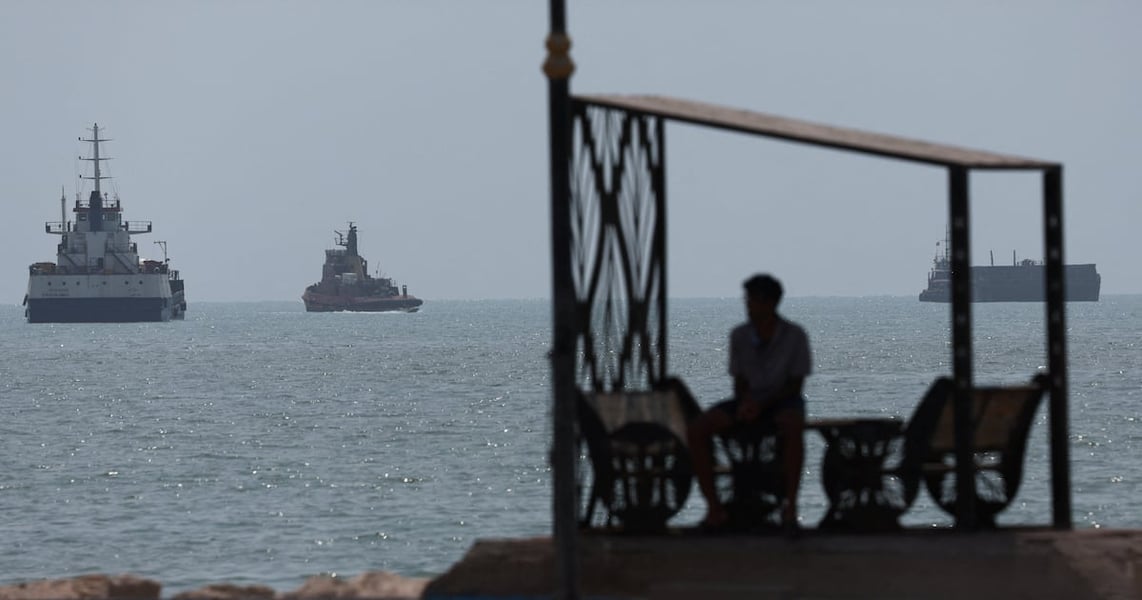
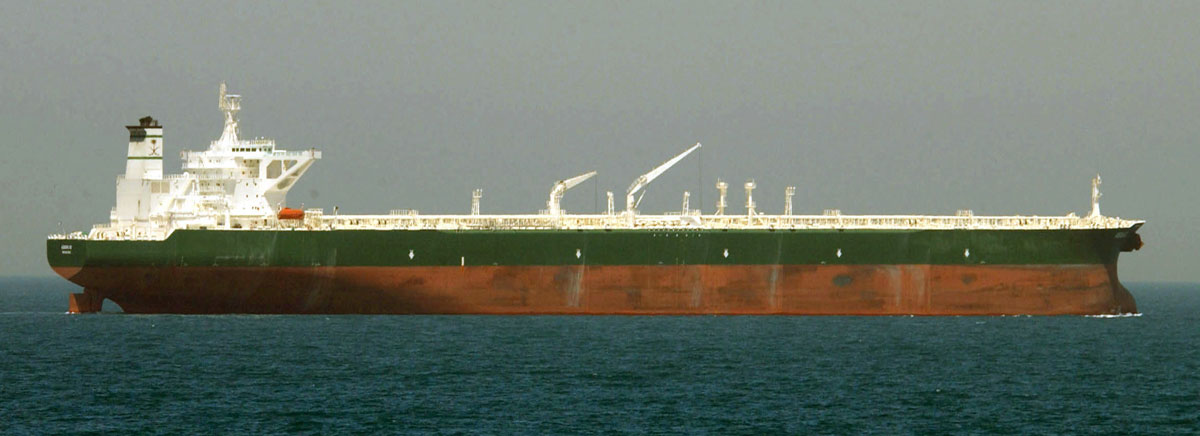
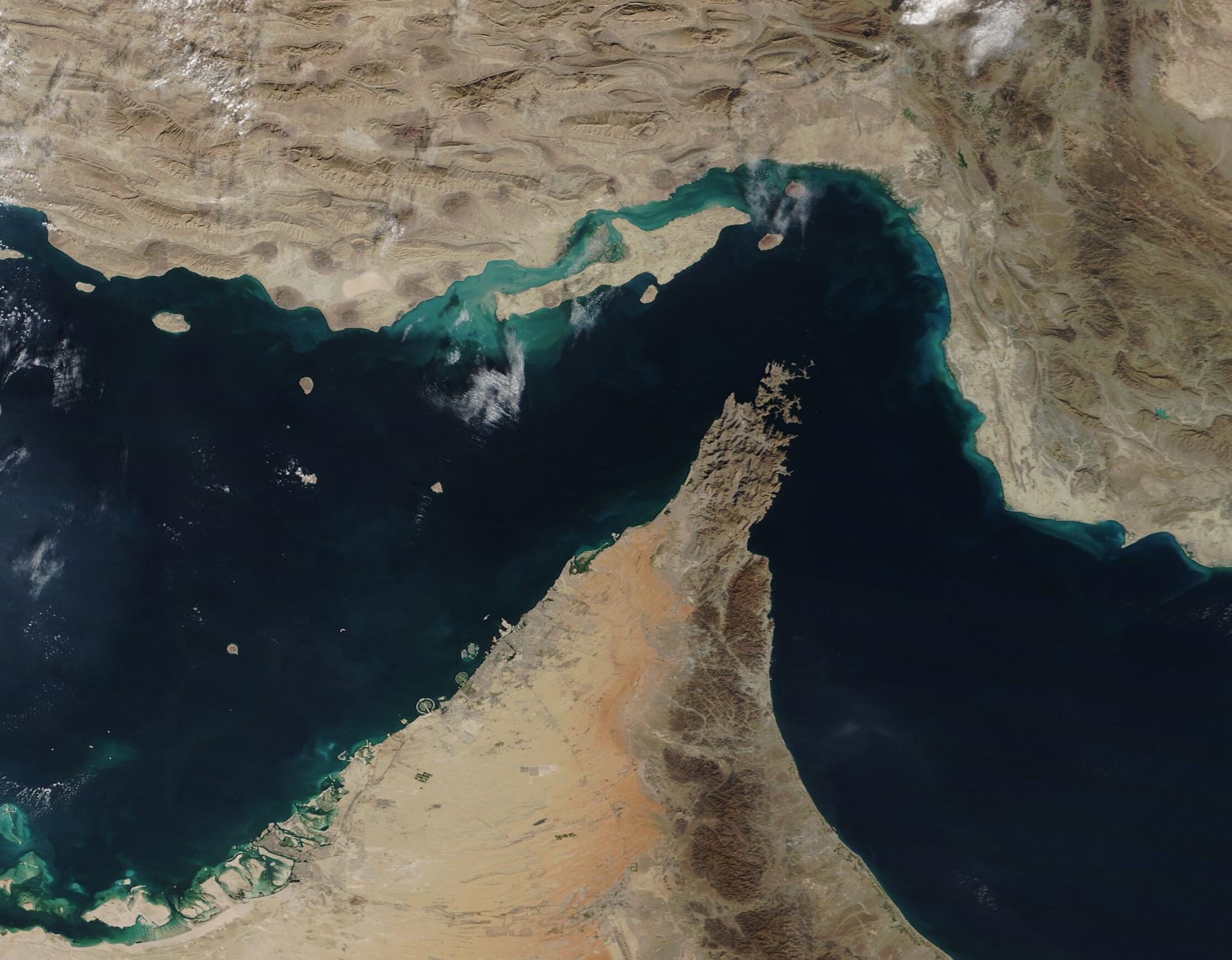
The Strait of Hormuz has been the central economic variable of the war. Roughly a fifth of the world’s traded oil passes through the 21-mile passage at the mouth of the Persian Gulf. When Iran closed it in response to US and Israeli strikes on its nuclear and military infrastructure, Brent broke above $125 and analysts began warning of jet fuel shortages within weeks. The reopening – already partially underway, with tankers now transiting the Strait with their tracking signals turned on – is unwinding that price spike in concentrated fashion.
Iran entered the negotiations from a position Tehran insisted was one of principle rather than capitulation. The $12 billion in released assets had been frozen for years before the war began. The ceasefire’s provisions on Lebanon, which halt Israeli military operations there, were described by Iranian officials as protecting Iran’s regional relationships. Ghalibaf told state media that the technical talks in Switzerland had concluded successfully and that the framework sets up nuclear discussions – with Tehran maintaining that any such talks begin from the premise that Iran retains the right to enrich uranium on its own soil. That position has not changed since before the first US strike.

For Saudi Arabia and the broader Gulf, the deal arrives as a financial recalibration. The kingdom expanded output under OPEC+ arrangements during the conflict, pumping at elevated levels while prices spiked. A Brent price approaching $73 – down roughly $50 from the wartime peak – compresses the margin Riyadh had come to expect. The ceasefire roadmap also reopens commercial shipping routes for Gulf exporters whose tankers had been forced to take longer paths around the Cape of Good Hope during the Strait closure. Whether that efficiency gain offsets the lower prices is the arithmetic Saudi Arabia’s planners are now running.
The accord’s consequences for the war’s inflationary footprint across the global economy will depend on how quickly supply flows normalize. The Federal Reserve has been navigating an inflation picture distorted by energy and shipping costs that the Strait closure pushed sharply higher. A sustained drop in crude toward the $70 range would relieve some of that pressure, though the pass-through to consumer prices takes months, not days.
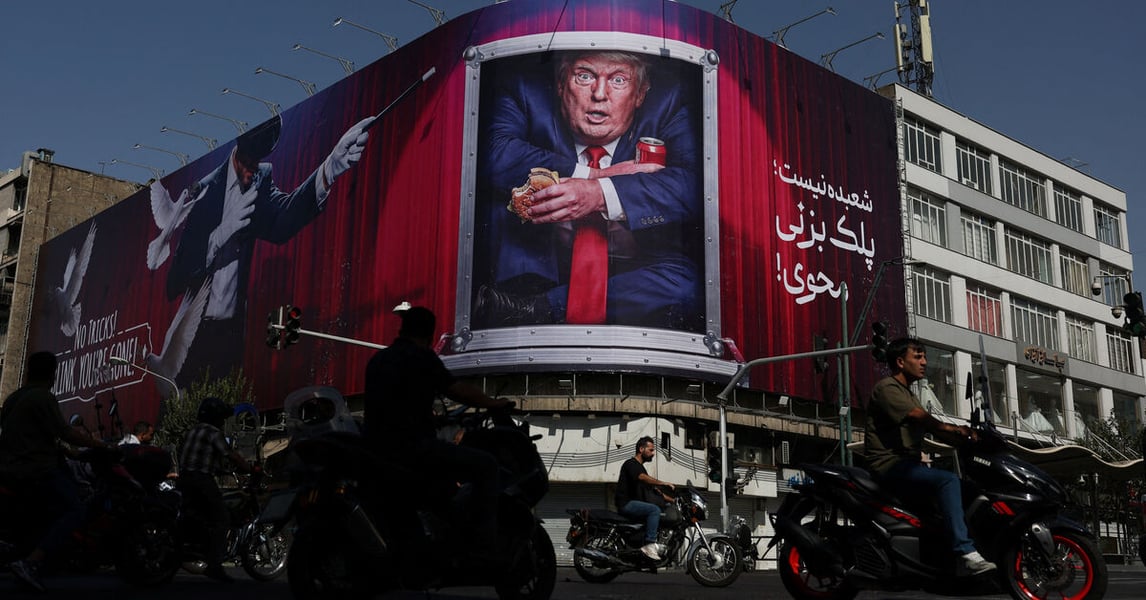
The ceasefire does not settle the dispute that produced the war. US and Israeli strikes targeted Iranian nuclear facilities – the same enrichment infrastructure the Trump administration had demanded Iran dismantle entirely before the conflict began. Iran’s position before, during, and after the fighting has been that enrichment on Iranian soil is a right, not a bargaining chip. The gap between Washington’s stated demand and Tehran’s stated minimum has not closed; Friday’s signing defers the central argument rather than resolving it.
Goldman’s research note made the risk explicit. If the Strait remains disrupted and Gulf exports recover only gradually, Brent could rise above $130 in late 2026 and average $105 for the year. The distance between that scenario and the $73 a barrel Brent is trading at now represents the market’s current valuation of the ceasefire’s durability. That valuation, at this moment, is bullish on peace.
The nuclear talks that Friday’s agreement is supposed to inaugurate have not started. They begin from positions that, in a hundred days of war, neither side has moved. The oil market has priced the Strait as open and the Persian Gulf as normal. Whether those assumptions survive the first round of post-ceasefire nuclear negotiations is the question that Goldman’s $80 target is quietly betting on.
Related Posts