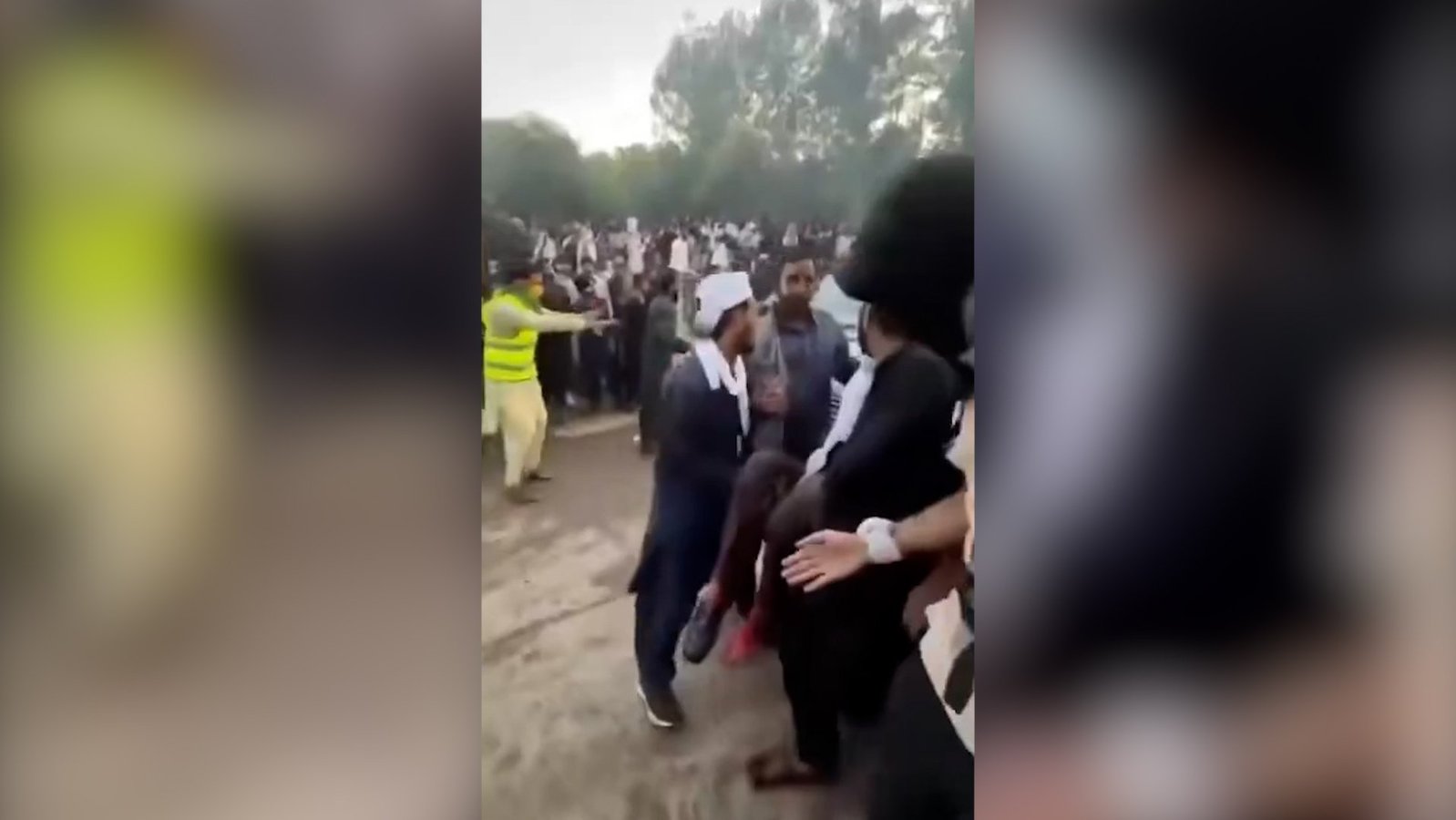

ISLAMABAD – The votes from the first phase of elections in Pakistan-occupied Kashmir have been cast, and preliminary results show what the territory’s protest movement had feared: national parties with Islamabad’s backing dominating a legislature whose structure was contested before a single vote was counted. What the ballot did not resolve is the question that matters most. The violence, the data shows, is not over.
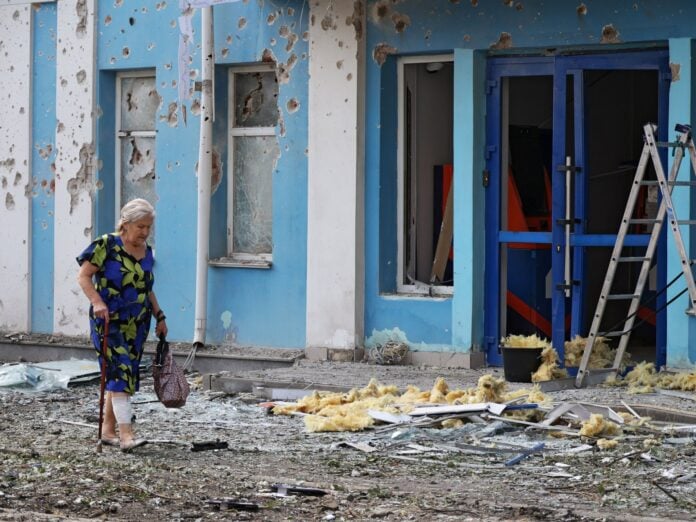
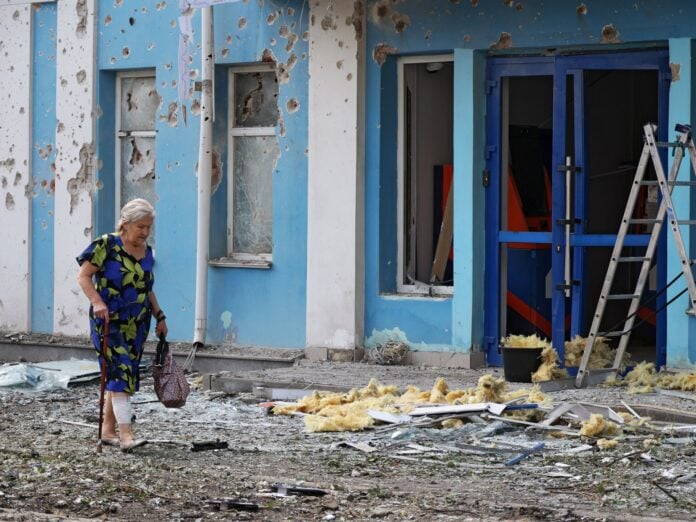
The Armed Conflict Location and Event Data Project published an expert assessment this week documenting what Pakistani security forces spent June and early July attempting to suppress: a sustained wave of demonstrations against the election itself, organized by the Jammu Kashmir Joint Awami Action Committee, that left dozens dead and the credibility of the electoral exercise in question before polling began.
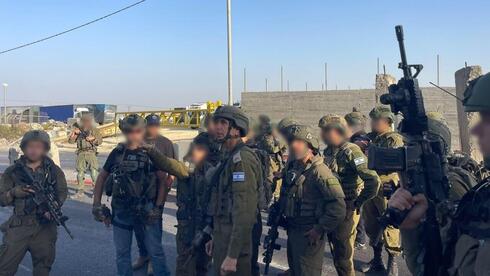
Since June 2026, ACLED recorded at least 56 JAAC-led protests across the territory, a figure that far exceeds the region’s normal weekly protest averages. On at least six occasions, security forces responded to those demonstrations with lethal force against peaceful participants. Pearl Pandya, ACLED’s Asia-Pacific Senior Analyst, was direct: “The violence that marred the first round is bound to overshadow the legitimacy of the entire electoral exercise,” she wrote, with two additional voting phases still ahead.
At the heart of the dispute is a structural feature of the legislature that Pakistan has so far refused to address. Twelve of the regional assembly’s seats, nearly one-quarter of the total, are reserved for refugees from Jammu & Kashmir in India. The JAAC argues this provision allows national parties to install a compliant majority regardless of how local voters actually vote. Islamabad maintains the arrangement is constitutionally required as part of its claim over undivided Kashmir, and showed no willingness to revisit it before the election.
The decision to hold the election without addressing that grievance was, for the JAAC, the provocation that made protests inevitable. When security forces then opened fire on demonstrators, the movement did not collapse. Eleven people died in Rawalakot in June before banned rallies went ahead anyway, a pattern suggesting the crackdown was strengthening rather than suppressing the opposition.
Amnesty International’s South Asia office highlighted the election-related violence and called for accountability.
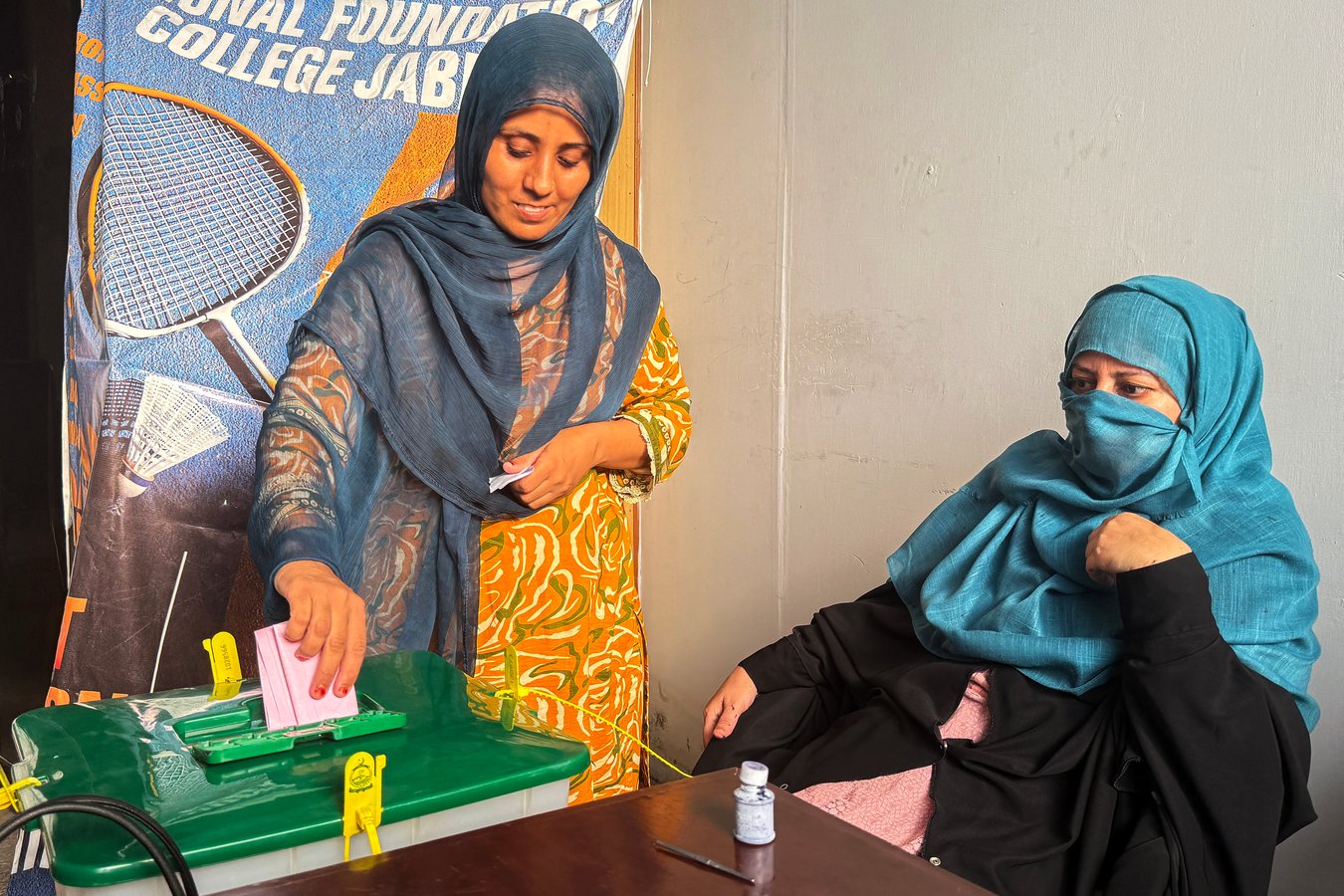
ACLED’s analysis places the current unrest in a longer frame. Since 2018, it notes, Pakistani security forces have resorted to lethal force against peaceful protesters in Pakistani-occupied Kashmir more often than in any other province in the country. That comparison is not a statistical anomaly: it reflects a governing approach to dissent that has been consistent across administrations and that the election process, far from interrupting, appears to have intensified.
Preliminary results showed national parties dominating, validating what boycott campaigners had predicted. The JAAC called on voters to stay home; the extent to which that appeal affected turnout remains disputed, with Pakistani authorities releasing figures their opponents immediately contested. What is not disputed is the trajectory of violence in the weeks leading up to the vote.
Al Jazeera English’s reporting documented the scale of violence that accompanied the first phase of polling.
Earlier reporting on the protests captured the international dimension: India’s foreign ministry seized on the killings at Rawalakot to demand the United Nations hold Islamabad accountable, framing the crackdown as evidence of a governance failure that Pakistan had been papering over with claims of constitutional normalcy. Neither UN action nor India’s statements produced a change in Islamabad’s conduct before the election.
For Pakistan’s government, the elections serve a legal purpose: they maintain the formal structure of democratic governance in a territory whose status remains internationally unresolved. The presence of a functioning legislature, even one whose composition is contested, allows Islamabad to point to institutional normalcy. That argument loses force when the institution is produced under a boycott, in the aftermath of protests where security forces shot people in the street.
ACLED’s analysts expect the pattern to continue. Pandya noted that continued heavy-handed government responses are likely to deepen support for the JAAC and reinforce perceptions that regional autonomy is being systematically dismantled. Two more voting phases remain, and neither the structural dispute over reserved seats nor the security forces’ approach to dissent has been altered by the outcome of the first round.
The question that the election cannot answer is whether Islamabad is capable of governing Pakistani-occupied Kashmir without firing on the people who live there. The data assembled by ACLED over eight years suggests the answer is no. What remains open is how much worse it gets before something changes, and whether the international community will find a reason to notice before it does.