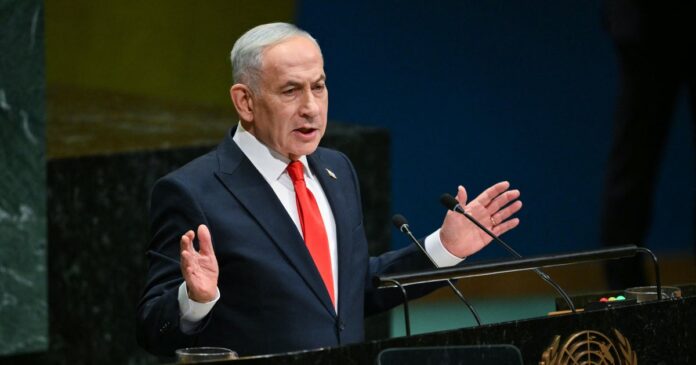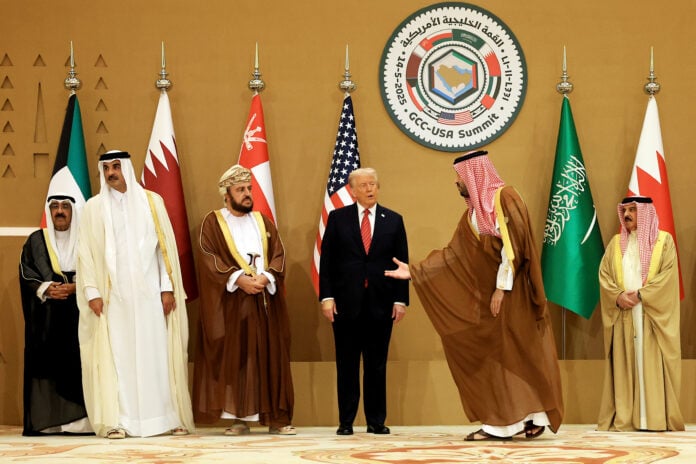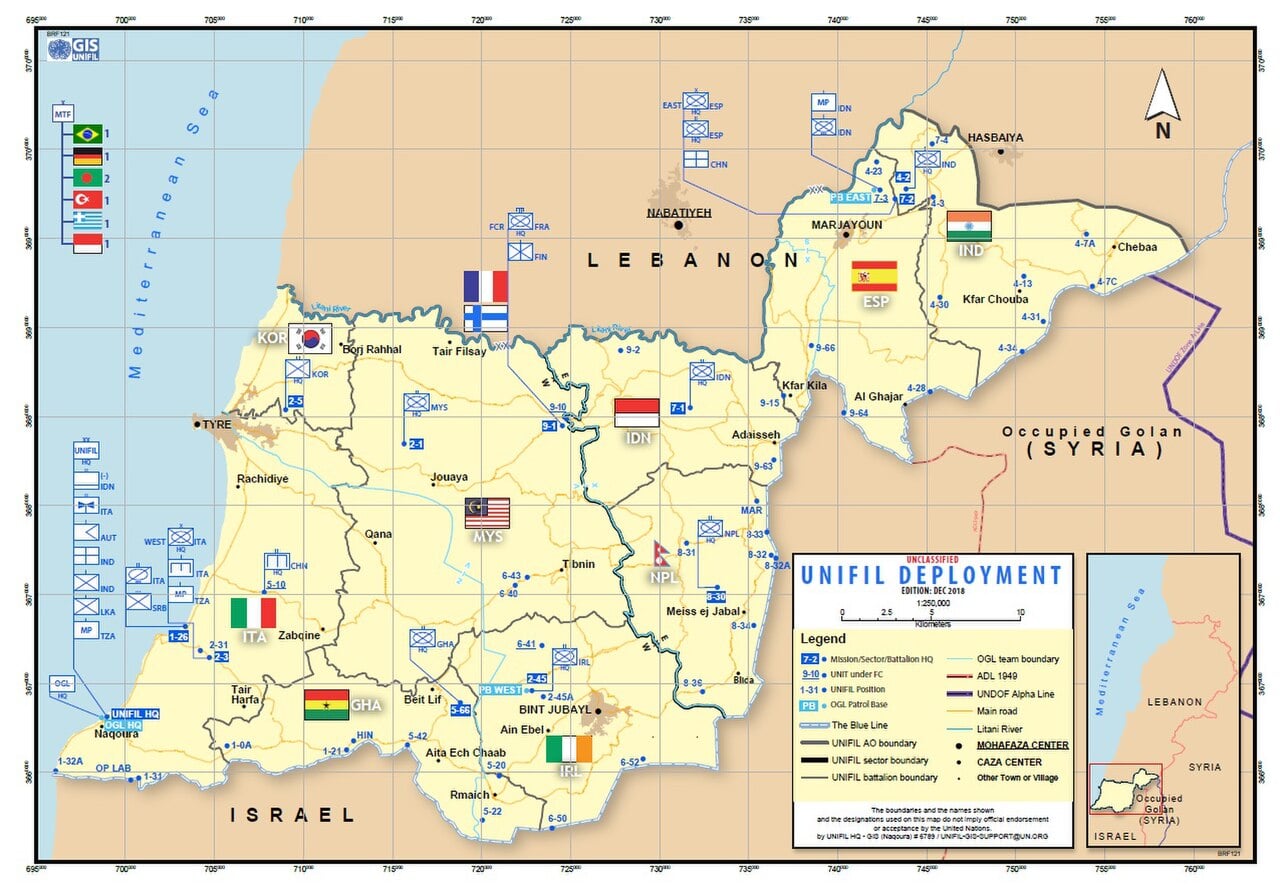

BEIRUT – A US administration official confirmed this week that Israel will return the first “pilot zone” in occupied southern Lebanon to Beirut’s control “in a matter of days,” offering the clearest timetable yet attached to a framework agreement Washington brokered after months of closed-door negotiations, TASS reported. Further pilot zones have already been identified and planned, the official said.
The disclosure pins a concrete, if still provisional, schedule to an accord signed on June 26, following five rounds of talks in Washington. That agreement commits Israel to a phased withdrawal from Lebanese territory while requiring the Lebanese Armed Forces to progressively reassert what the text calls “effective sovereign control over the entire territory.” For Lebanon, whose sovereignty over the south has been contested and eroded across decades of Israeli intervention, the announcement represents the first time an actual timetable has been attached to an Israeli withdrawal commitment.
Central Command, the US military headquarters responsible for the Middle East, is coordinating directly with both governments to sequence the handovers. The anonymous American official said further pilot zones had already been identified and mapped for future transfers, describing the initial handover as a proof of concept for the withdrawals that follow rather than a standalone concession.
The June agreement carries a provision that most observers consider its hardest test: non-state armed groups operating in southern Lebanon are required to dismantle their military infrastructure and surrender weapons. That clause targets Hezbollah, the Iran-aligned movement that has maintained armed positions across the south for four decades and was the central justification Israel offered for sustaining its military presence. Israeli forces in southern Lebanon have continued operating from positions they describe as security requirements even after prior ceasefire arrangements lapsed or expired.
Lebanon’s post-conflict landscape complicates both the withdrawal and what happens once Israeli forces leave. The Lebanese Armed Forces, constitutionally the country’s only legal military institution, have struggled for years to project authority into the south, where Hezbollah’s parallel command structure has operated with greater resources and political embeddedness than the national army in many communities. Receiving vacated territory from Israel is a fundamentally different task from actually governing it, and Beirut has not always demonstrated the administrative depth that the latter requires.
The five Washington rounds that produced the framework unfolded in a format both parties kept deliberately technical. The June 26 signing was followed immediately by discussions about implementation rather than ceremony. Rome is next: a closed-format session scheduled for next week where sequencing and on-the-ground verification protocols will form the primary agenda. The Lebanon oversight committee that emerged from the Burgenstock talks includes Iran and the United States as co-guarantors, while Israel itself has no seat at the table formally overseeing its own withdrawal.
US officials said Washington would pursue “outreach to international partners” to support the Lebanese government’s bid to restore sovereignty. That framing signals Beirut is expecting more than an Israeli pullback. It expects international funding, security training, and political backing to give the Lebanese Armed Forces the capacity to hold what it receives and govern it visibly.
For Lebanon, where Israeli occupation in the south has been contested across generations, the significance of a dated handover goes beyond strategic calculation. Lebanese governments have demanded a complete Israeli pullback for years, filing complaints to the UN Security Council and securing resolutions that Israel largely observed on paper and violated in practice. UN Security Council Resolution 1701, passed after the 2006 Lebanon war, called for the withdrawal of all non-Lebanese forces south of the Litani River. Nearly two decades later, Israeli forces continued to hold positions they described as security assets, with no binding timetable for departure.
The June 2026 framework differs from that precedent primarily because it includes a US military command in direct coordination with both sides and emerged from a regional landscape reshaped by sustained conflict in 2024 and 2025. Whether that difference is decisive will depend on what happens when the first pilot zone transfers and whether the process can be replicated across the remainder of the occupied territory.
There is no independent verification of the “in a matter of days” estimate. The American official spoke without attribution and provided no reference to a public enforcement mechanism. Israel has previously agreed to withdrawal schedules that shifted without consequence, and Hezbollah’s compliance with disarmament provisions remains entirely theoretical. The movement has not publicly acknowledged any obligation to dismantle its weapons infrastructure under the June framework, and its responses to the accord’s most demanding requirements have been vague.
Washington’s interest in stabilizing the Lebanese border is simultaneously strategic, reputational, and logistical. A functioning withdrawal mechanism removes one active flashpoint from a region still absorbing the consequences of the Gaza conflict. It gives the existing framework institutional legitimacy and provides CENTCOM with a mission that can be measured in observable, verifiable increments.
The Lebanese Armed Forces’ task will be harder than accepting a handover. Moving into territory where Hezbollah has governed daily life, including water, electricity, local security, and political patronage, requires administrative depth that Beirut has not always been able to provide. The Rome talks next week will determine whether the framework anticipates those challenges or defers them to the next round of negotiations. What the pilot zone transfer will actually demonstrate, beyond the physical fact of Israeli troops leaving a patch of Lebanese soil, is whether the coordination mechanism CENTCOM has constructed can hold under sustained pressure from parties that have been hostile to each other for most of the past two decades.