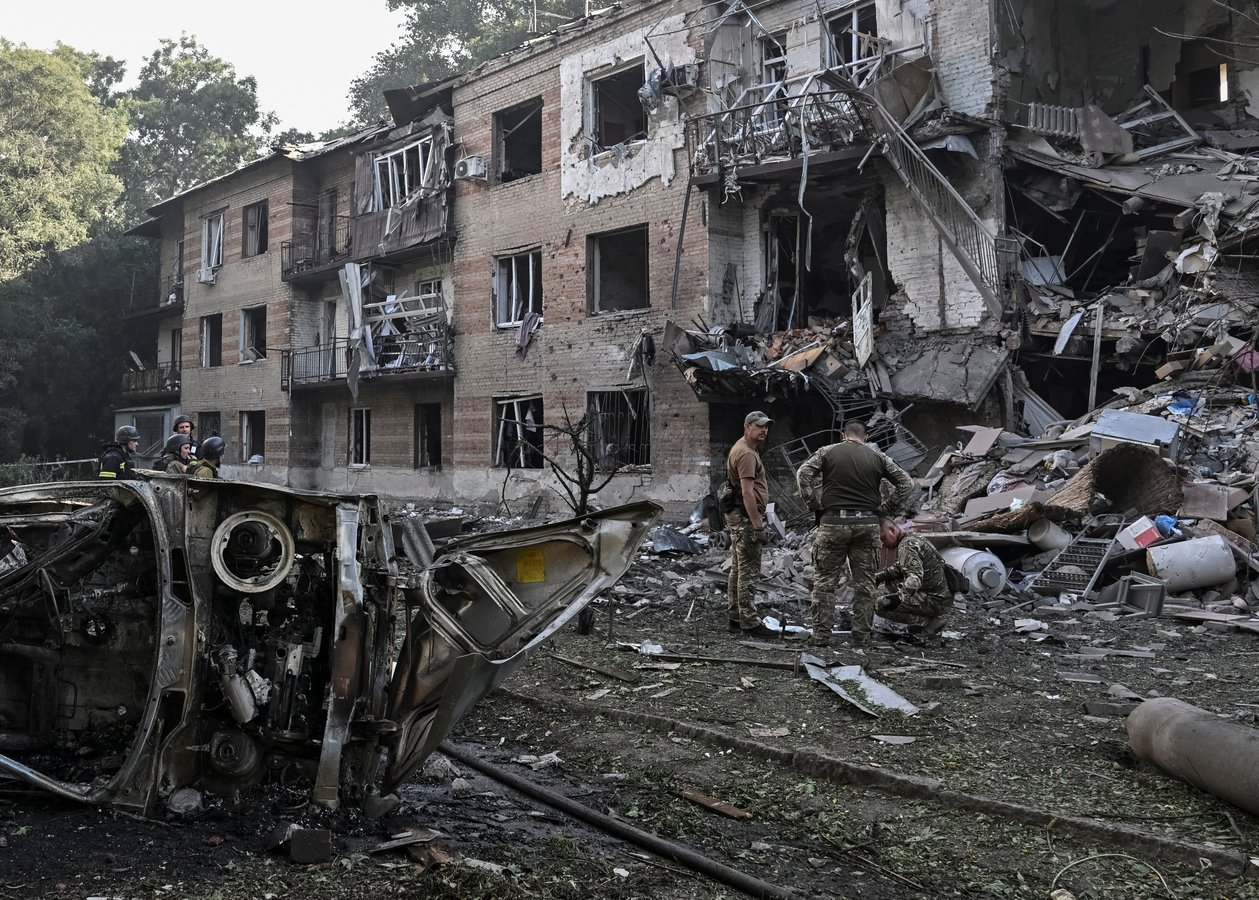

KYIV – A 16-year-old boy was among six people wounded when Russia fired at least eight ballistic missiles at Ukraine’s capital before dawn Thursday, killing two others in what officials confirmed was the seventh ballistic strike on Kyiv in July alone.
The attack struck warehouses and non-residential buildings on the city’s industrial fringe shortly before 1 a.m., compounding a night already defined by political rupture. Thousands had filled central Kyiv’s streets hours earlier demanding answers after President Volodymyr Zelenskyy dismissed Defence Minister Mykhailo Fedorov, and the sirens sounded before those crowds had fully dispersed.
Kyiv City Military Administration head Tymur Tkachenko confirmed the overnight casualties and said rescue operations were ongoing in the struck areas. Mayor Vitali Klitschko reported that debris from intercepted missiles caused damage across several city districts, a reminder that even partial interception success leaves the capital exposed to falling wreckage.
Ballistic missiles remain the hardest threat for Ukraine’s air defense network to neutralize. Unlike cruise missiles and drones, which can be engaged by a range of systems, ballistic trajectories require specialized interceptors, primarily Patriot batteries. Ukraine’s supply of Patriot interceptors has been steadily depleted by months of sustained bombardment. Western partners have continued deliveries, but at a pace that has not matched consumption, and the gap is measured not in inventory figures but in strikes that reached the ground unchallenged.
The facilities struck Thursday were warehouses, not military installations. That targeting pattern has been consistent across recent Kyiv strikes: hitting logistics and commercial storage rather than frontline infrastructure, grinding down the capital’s supply chain and raising the operational cost of running a functioning city in wartime. No military objective was identified in the targeted districts.
The Kyiv Independent, which has tracked each strike in detail, reported that Thursday’s assault was the seventh ballistic missile attack on the capital in July, a frequency approaching one strike every other day. Earlier attacks this month targeted energy infrastructure; this week’s strikes have shifted toward commercial and logistical targets, suggesting Russian planners are deliberately rotating objectives.
Fedorov, in comments made before his dismissal, had pointed to declining interception rates as evidence of a systemic air defense failure. “For every missile we bring down, two more get through on the next attack,” he said, according to Ukrainian media. The claim could not be independently verified, and it came from a minister already in conflict with the presidential office, but the concern it reflects is shared across Ukraine’s defense and security establishment.
The timing of Thursday’s strike raised questions that remained unanswered as of early morning. Russian command has shown a consistent preference throughout the war for striking when Ukrainian political attention is divided. Whether Thursday’s barrage was timed to coincide with the cabinet crisis or planned according to its own operational logic was not known.
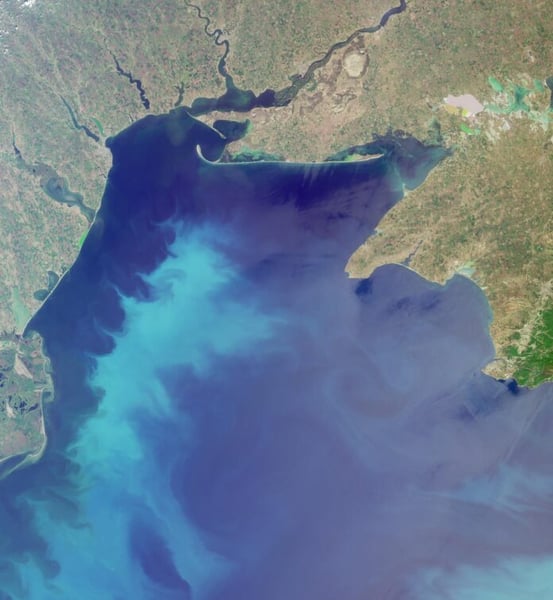
Ukraine moved in the opposite direction overnight. Ukrainian forces struck six Russian tankers and two tugboats operating in the Black Sea and the Sea of Azov, targeting the maritime logistics network that sustains Russian forces in Crimea. The operation extended a campaign of long-range strikes that has included a recent massive drone barrage against Moscow-area satellite facilities, broadening the conflict’s geographic footprint into Russian rear territory.
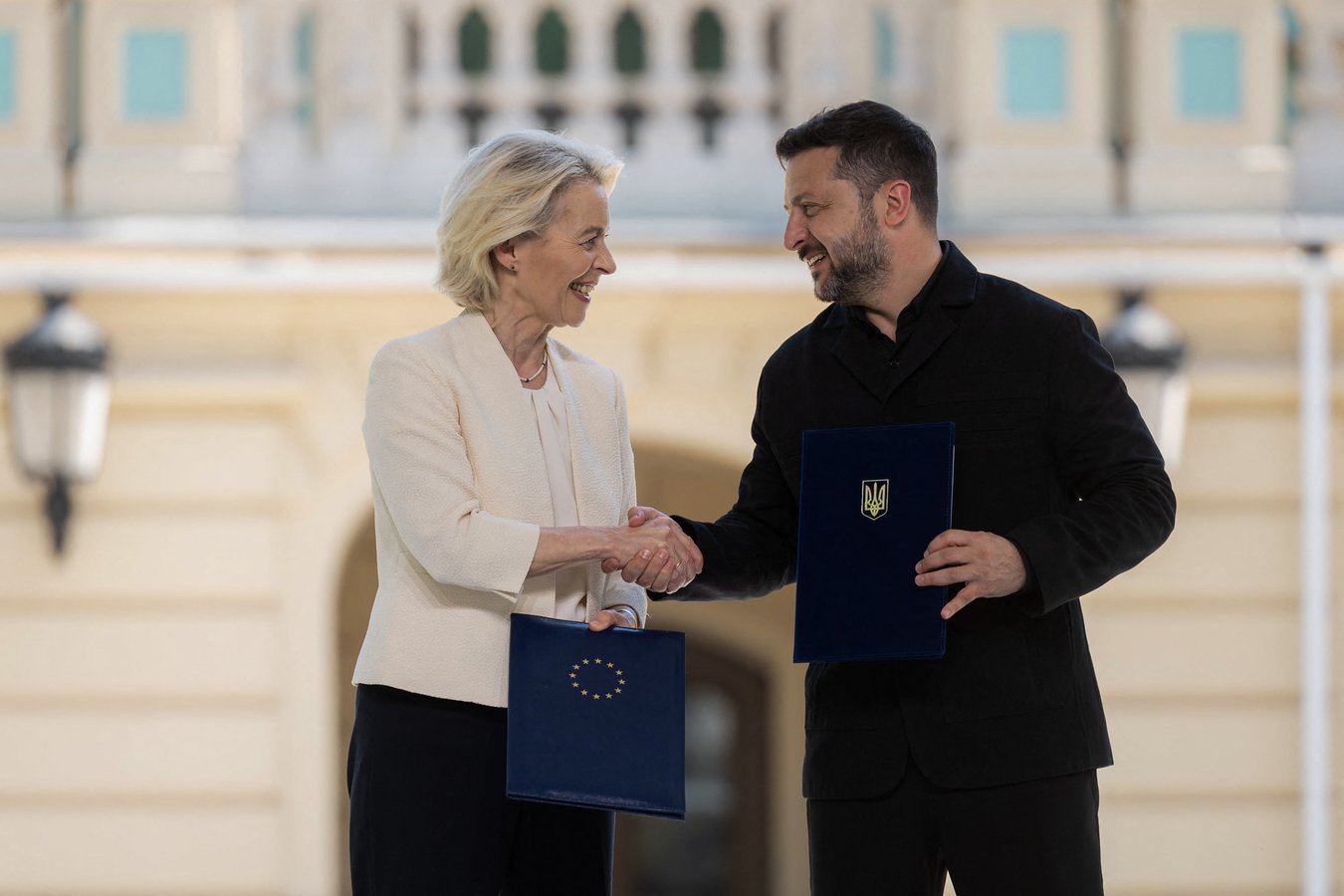
An EU-Ukraine drone production agreement signed earlier this week added context to the exchange. Under that deal, Ukraine will expand domestic manufacturing of long-range strike drones with European technical assistance. Russia’s acceleration of ballistic strikes this month may partly reflect an effort to degrade Ukrainian production capacity before that agreement begins yielding results at scale.
Elsewhere in Ukraine, drone strikes hit Kharkiv in the northeast and an aerial alert covered Vinnytsia Oblast before dawn. Al Jazeera noted that simultaneous fronts across regions stretched Ukrainian emergency services, complicating rapid response. Casualty figures from Kharkiv had not been confirmed by Thursday morning.
Zelenskyy had not addressed the Kyiv attack publicly by early morning. The silence marked a departure from the nightly video communications he has maintained since the Russian operation began. His office confirmed he had been briefed but issued no formal statement, a reflection of the competing demands of a military strike and a political crisis arriving on the same night.
Klitschko, whose relationship with Zelenskyy has been a source of public tension throughout the war, was direct. “We buried two more people today who should be alive,” the mayor said. “This is the seventh attack this month. The math is not complicated.”
Emergency services were still surveying the damaged warehouses when the overnight curfew lifted Thursday morning. Whether any of the struck facilities had dual-use military relevance had not yet been established. The names of the two killed had not been released.
For Kyiv, Thursday’s strike was the latest in a July that has become the most intensive month of ballistic bombardment the capital has endured in over a year. For the families of those who did not come home before 1 a.m., the count is beside the point.