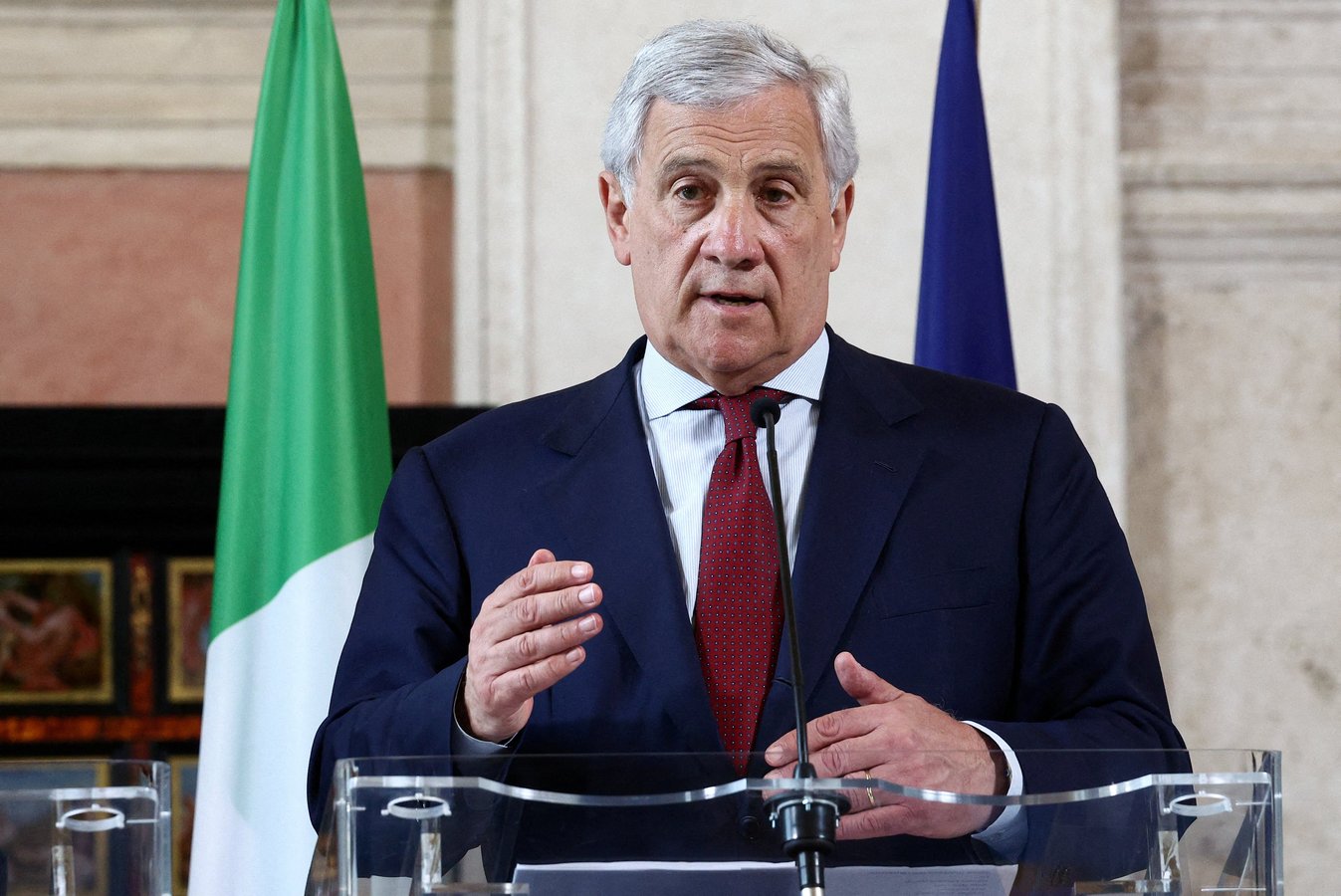

MANAGUA – Nicaragua announced Thursday it was cutting diplomatic ties with Italy after Italian Foreign Minister Antonio Tajani publicly demanded the extradition of Alessio Casimirri, a former Red Brigades militant who participated in the 1978 kidnapping and murder of Italian Prime Minister Aldo Moro and has lived freely in Managua for more than four decades.
The break was abrupt. Nicaragua’s Foreign Ministry issued no extended diplomatic statement, no period of consultations, no gradual cooling. It simply notified Rome that relations were finished, a choice that reflected both the depth of Daniel Ortega’s contempt for Western governments and the particular friction that Casimirri’s presence has caused since Italy began renewing its extradition pressure earlier this year.
Tajani had escalated the matter at a European People’s Party summit in Madrid, describing Nicaragua as an “extremist government” and calling for Casimirri to face Italian justice. “Italy will continue to demand that Casimirri answer to the Italian justice system for the crimes of which he has been found guilty,” Tajani said, according to Al Jazeera. Nicaragua’s response was to tell Rome that the ambassador was no longer welcome.
The event that placed Casimirri on Italy’s most-wanted list unfolded on a Roman street on the morning of March 16, 1978. Armed Red Brigades members ambushed the motorcade of Aldo Moro, then president of the Christian Democracy party and the most influential political figure in postwar Italy, at the Via Fani intersection in Rome. Moro’s five bodyguards were killed in seconds. Moro himself was taken prisoner and held for 55 days while the Red Brigades demanded the release of imprisoned militants. The Italian government refused. On May 9, 1978, Moro’s body was found in the trunk of a red Renault 4 parked in central Rome, equidistant from the headquarters of the Christian Democrats and the Italian Communist Party.
Casimirri was identified as one of the Via Fani ambush unit’s members. Italian courts convicted him in absentia and sentenced him to six consecutive life sentences. By the time the verdict was entered, he had already fled Italy. He arrived in Nicaragua in the early 1980s during the Sandinista revolution, obtained Nicaraguan citizenship, married, and built a restaurant business in Managua. He has given occasional interviews over the decades in which he neither confirmed nor denied his role in the Moro killing, while Italy continued to file extradition requests that Managua refused.
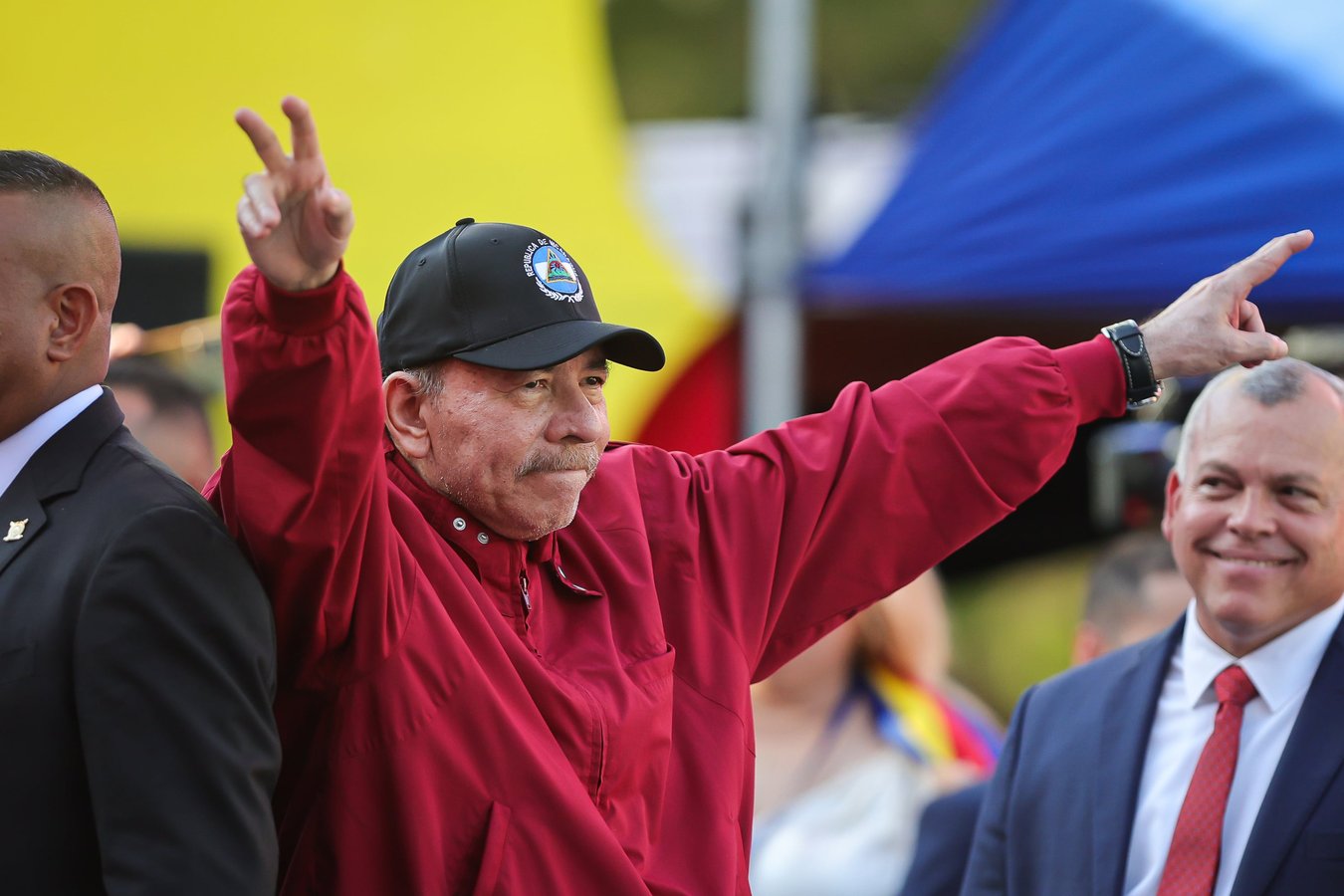
Those refusals rest on a constitutional foundation. Nicaragua’s law bars the extradition of its own nationals. Casimirri obtained Nicaraguan citizenship decades ago, and successive governments, both in the original Sandinista era and under Ortega’s return to power after 2007, have treated that citizenship as the end of the matter. Italy’s position is that a citizenship granted to a convicted murderer in flight from justice carries no legal weight. Nicaragua’s position is that Italian courts have no jurisdiction over Nicaraguan nationals.
The timing of Tajani’s renewed push has observers questioning whether Italy calculated that a confrontation was worth forcing. Nicaragua under Ortega has grown increasingly isolated internationally. The Ortega-Murillo administration has mounted a widening crackdown on civil society, stripping lawyers of their certifications, closing more than 5,000 NGOs, expelling the Catholic Church, and imprisoning political opponents. Breaking with Italy carries real costs, if modest ones; it also gives Ortega something of strategic value, a visible confrontation with a Western government that plays well domestically.
The Moro family has never stopped pressing for full accountability. Moro had five children, and several have spent their adult lives seeking a more complete accounting of who ordered the kidnapping, who participated in the Via Fani ambush, and what information Italian intelligence may have withheld. Thursday’s diplomatic rupture removes one more avenue for that pursuit.
For Italy, the break creates a practical problem. Without diplomatic representation in Managua, Rome loses its direct channel to press the extradition case through bilateral mechanisms. The Italian Foreign Ministry said it considered Nicaragua’s decision “unjustified and regrettable” and reiterated that it would continue pursuing Casimirri through every available legal channel, without specifying what those might be now that the embassy route is closed. The European Union, which has previously sanctioned Nicaragua over its domestic repression, has no standing mechanism to enforce extradition demands.
What neither side addressed on Thursday was the question of what follows. Italy cannot compel Nicaragua to hand over a citizen it regards as its own. Casimirri, now 73, remains in Managua. The families of Aldo Moro and his five slain bodyguards remain without a courtroom reckoning. Whether Thursday’s rupture forces any new leverage or simply removes the last ordinary channel through which Italy could press its case was left unanswered.