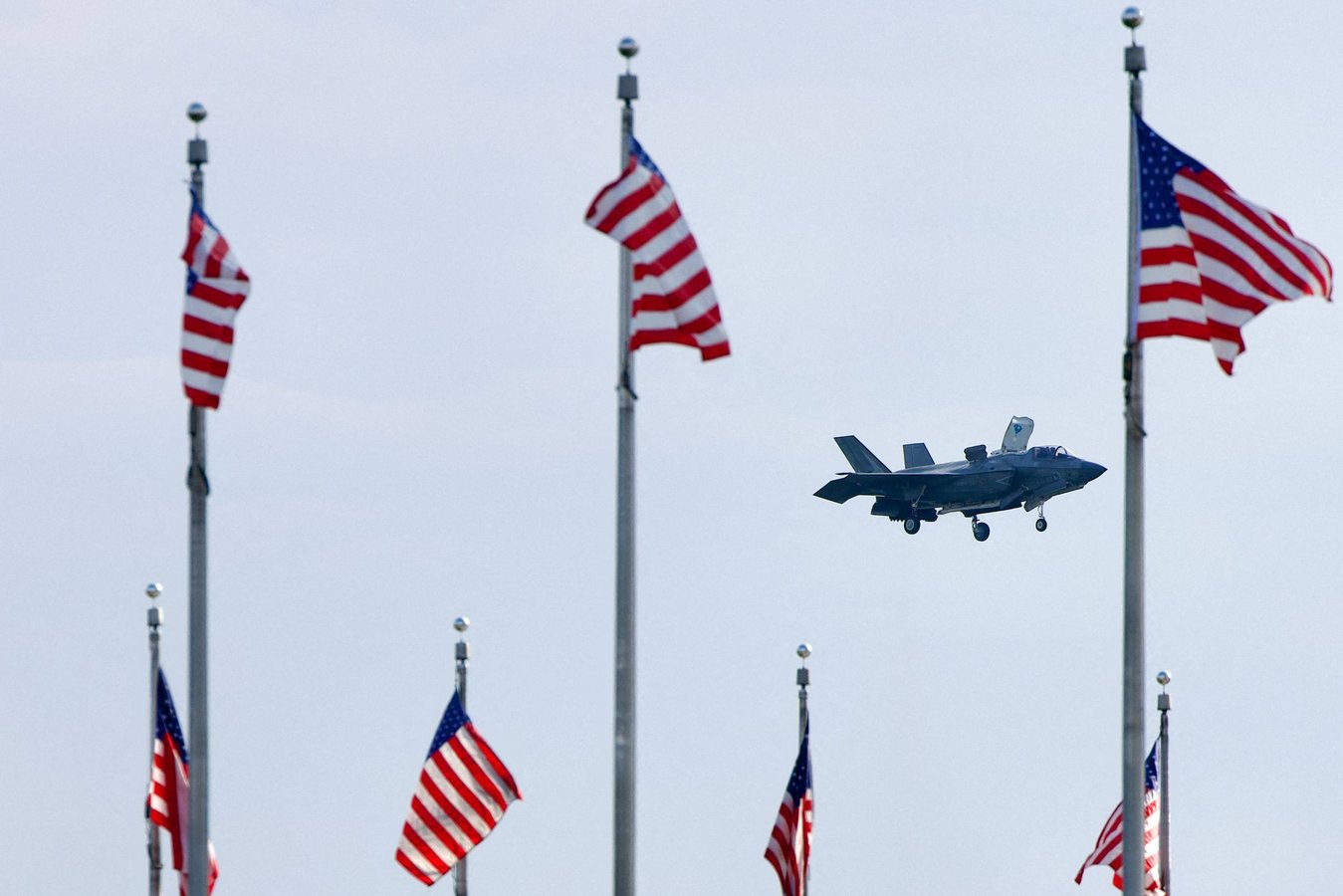

WASHINGTON – For more than two decades, the Government Accountability Office published its annual review of the F-35 fighter jet program for anyone to read. This year, for the first time since those reviews began in 2005, the public version never appeared.
The report still exists. It carries an official title – “F-35 Joint Strike Fighter: Update on Production and Modernisation Efforts” – and it landed in the offices of four congressional defense committees as scheduled. But the version that would ordinarily have appeared on the GAO’s website, available to researchers, journalists, and the public, was withheld. The Pentagon applied a “Controlled Unclassified Information” designation to the document, a federal classification category that allows agencies to restrict distribution without formally invoking national security classification procedures.
Jon Ludwigson, the GAO director responsible for defense oversight, confirmed the change. “This is the first year that any of our acquisition reviews has been determined to contain CUI,” he said, according to Bloomberg. The restricted report was delivered to the Senate and House Armed Services Committees and their corresponding defense appropriations subcommittees – the four bodies in Congress with direct jurisdiction over the program’s budget.
What changed this year is not publicly known. Defense Secretary Pete Hegseth’s Pentagon has offered no explanation of which specific data within the review triggered the classification, or who within the department ordered it. The GAO said it applied the designation at the Pentagon’s direction, noting that the underlying defense information belongs to the military, which retains the authority to restrict it.
The GAO has tracked the F-35 since 2005, when the jet was still in early development as part of a multi-service effort to replace aging aircraft across the Air Force, Navy, and Marine Corps. What began as an ambitious modernization initiative has grown into the costliest weapons program in American history, with a combined acquisition cost now estimated at $1.6 trillion over its lifetime. For years, the annual GAO review was among the few externally verified accounts of where that money was going and whether the program was meeting its targets.
Those accounts were rarely favorable. Past public reports documented persistent delays in flight testing, software integration failures spanning multiple development phases, and cost-per-unit estimates that climbed well above early projections. The GAO also flagged recurring shortfalls in spare parts and maintenance backlogs that kept the fleet’s readiness rates below Air Force goals. The F-35 program’s prime contractor, Lockheed Martin, and the military’s own program office pushed back on some findings, but the reports gave Congress and the public a baseline for evaluating the program that no other document provided.
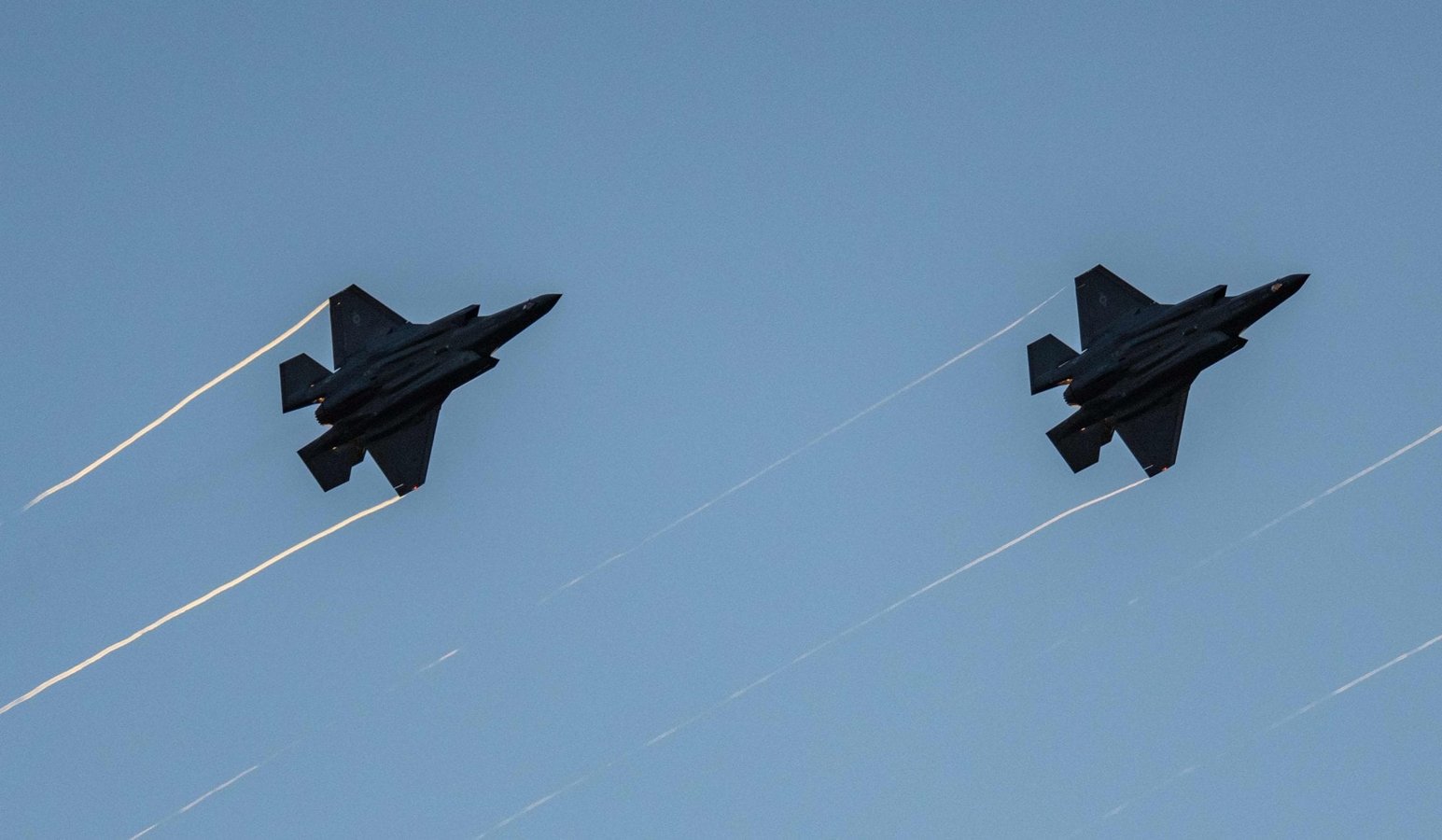
The classification decision now removes that baseline. The CUI label is distinct from formal classified information – accessing CUI does not require a security clearance – but it allows agencies to restrict distribution beyond official channels and withhold documents from the public domain. Critics argue the category has been applied more broadly than the federal standards governing it intend, functioning in practice as an informal shield against scrutiny rather than a protection for genuine defense secrets.
The timing is not incidental. The F-35 program is currently navigating what the Air Force calls the “Technology Refresh 3” modernization block, a software and hardware overhaul intended to keep the jet competitive against advancing threats from China and Russia. Previous public GAO reports found the modernization effort running years behind schedule, with integration testing still unresolved as of last year’s review. Whether the new restricted report reaches the same conclusions – or different ones – only the four committees that received it know.
The stakes extend beyond defense policy. With the Trump administration pressing new claims about Chinese interference in American elections and security systems, the F-35’s readiness against a potential China confrontation carries particular weight. Restricting the one independent audit of the program’s status from public view makes it impossible to assess independently whether the jet is actually ready for the threat the administration is describing.
For defense watchdogs, the classification represents a troubling precedent. The annual GAO F-35 review has functioned, for two decades, as one of the few mechanisms by which Congress’s investigative arm could exercise its oversight mandate in public. Restricting it to congressional committees does not eliminate oversight entirely; the committees can still ask questions and demand answers in closed sessions. But it means the findings will not reach the broader audience of policy researchers, journalists, and defense industry observers who have long used those reports to evaluate the program independently.
The four committees that received the full report have not commented on its contents, and it is not clear whether Congress intends to push back on the classification decision. What remains equally unclear is whether the restriction will carry over to future annual F-35 reviews. If it does, the two-decade run of publicly available audits on the world’s most expensive fighter jet program has ended not with a policy announcement, but with a quiet change in how documents are labeled.