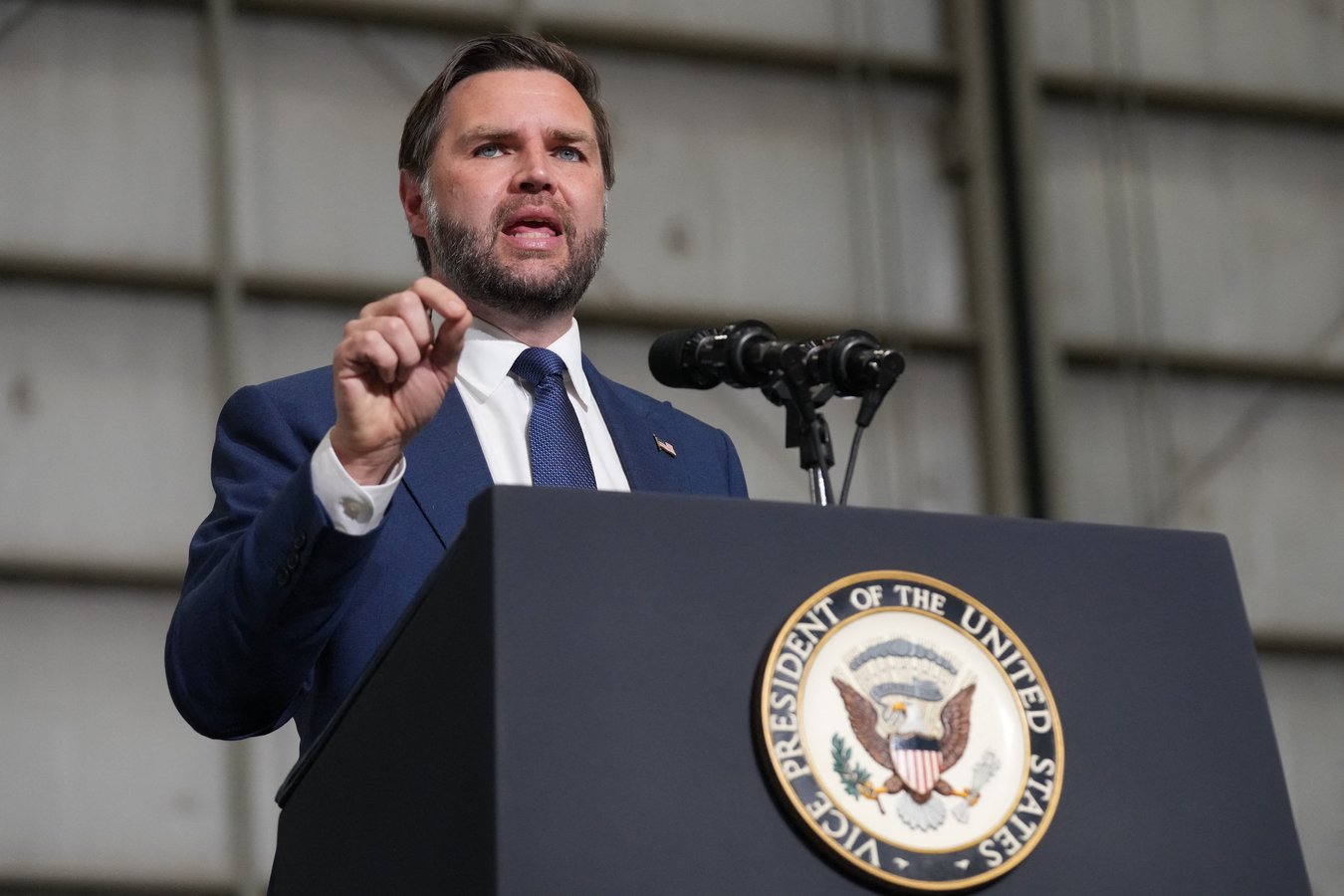

WASHINGTON – Vice President JD Vance used a Wednesday appearance on the Joe Rogan podcast to accuse members of the Israeli government of running a “literal foreign influence campaign” designed to kill the US-Iran peace deal he had been personally pursuing, becoming the first sitting American official to make such an accusation publicly and without diplomatic hedging.
The accusation arrived the same week a United States military campaign against Iran reached northern cities for the first time since strikes began, and as a tentative interim agreement signed in June continued to fray under the weight of ongoing attacks by both sides. Vance did not frame his remarks as a grievance about a past policy battle. He presented them as a live assessment of why the diplomatic window is closing.
“There’s a literal foreign influence campaign being funded to tank the very deal that I was pursuing,” Vance told Rogan in a conversation that ran nearly three hours and drew more than one million YouTube views within 24 hours of release. “There are some people within their system that we know beyond a shadow of a doubt that are manipulating and trying to change American public opinion to keep the war going on indefinitely.”
The remarks were specific in a way that marks them as different from ordinary criticism of Israeli lobbying. Vance said he knows “beyond a shadow of a doubt” that “people within the Israeli government” – not just pro-Israel advocacy groups – had been working to shift American public opinion. “I know beyond a shadow of a doubt that there have been people within the Israeli government who are trying to, like, actually shift us away from that policy,” he said.
Time Magazine reported Monday that a former Trump campaign manager had been hired on Israel’s behalf to run a digital campaign targeting the MAGA voter base, specifically designed to erode support for Iran diplomacy among the conservative constituency most aligned with Trump and Vance. The magazine’s reporting gave external corroboration to what Vance was asserting from personal knowledge: that the campaign to kill the deal was funded, coordinated, and directed at a specific audience.
Vance’s appearance on Rogan, whose audience skews heavily toward young men in that demographic, read as a direct countermeasure. The choice of platform was calibrated to reach precisely the voters the campaign was attempting to move against Iran diplomacy. He also faced what he described as “vicious” personal attacks for his role in the negotiations. “People are attacking me viciously for quite literally trying to accomplish the negotiation objective,” he said, without specifying whether those attacks came from Congress, pro-Israel groups, or within the administration itself.
Alon Pinkas, a former Israeli consul general in New York who advised multiple Israeli prime ministers, described Vance’s accusation as “unprecedented,” according to Al Jazeera. No sitting US vice president has previously leveled such a claim against Israel by name. American officials have complained privately about Israeli lobbying for decades; the decision to name it from a podcast chair, in real time and without caveats, represents a departure that Israeli officials have not had to factor into their diplomatic planning before.
Israel’s government did not issue a public response to Vance’s remarks in the hours after the podcast published. The absence of a rebuttal from Jerusalem is notable: when Israeli officials have previously been accused of intelligence connections to embarrassing episodes, responses have generally been swift. The silence leaves Vance’s characterisation on the record without a counter-narrative from the government he named.
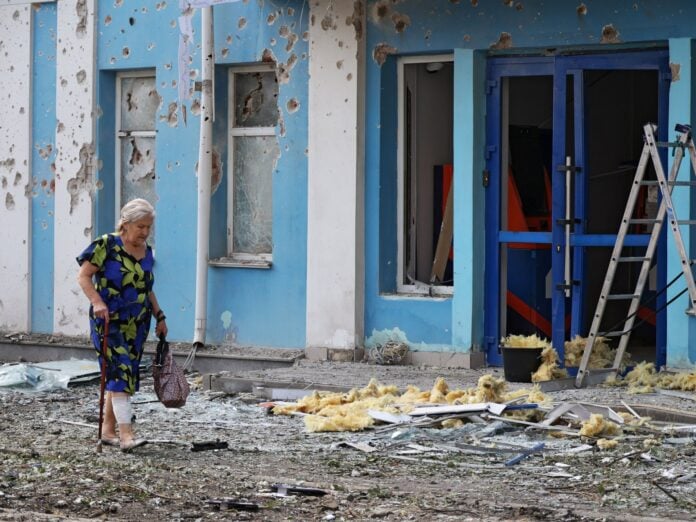
The interim agreement reached in June has largely collapsed. As the United States expanded its strikes into northern Iran on Thursday – hitting cities that had not been targeted in the conflict’s previous phase – Iranian forces struck American military installations in Kuwait and Bahrain. The June memorandum of understanding, meant to establish a 60-day navigation clause and a framework for further talks, has produced neither a ceasefire nor a replacement diplomatic track that both governments have publicly endorsed.
The Wednesday podcast covered more than Israeli influence. In the same episode, Vance made what are separately his most direct public claims about Epstein’s connections to Israeli and US intelligence – the first time a sitting executive branch official had linked Epstein explicitly to intelligence agencies by name. The juxtaposition of the two accusations in a single appearance, targeting the same country in different registers, was not incidental: Vance is constructing a public case about Israeli influence on American institutions that cuts across both the diplomatic and intelligence spheres.
Whether the accusations translate into any policy action is the question the podcast left unanswered. The diplomatic machinery that Vance was running has not been publicly disbanded, and Oman and Qatar retain their mediating roles even as attacks by both sides continue. What the vice president has done is publicly identify a foreign government as actively working to sabotage his own initiative – a designation that tends to constrain rather than expand the diplomatic options available to both sides, and that neither government has yet said plainly how it intends to address.