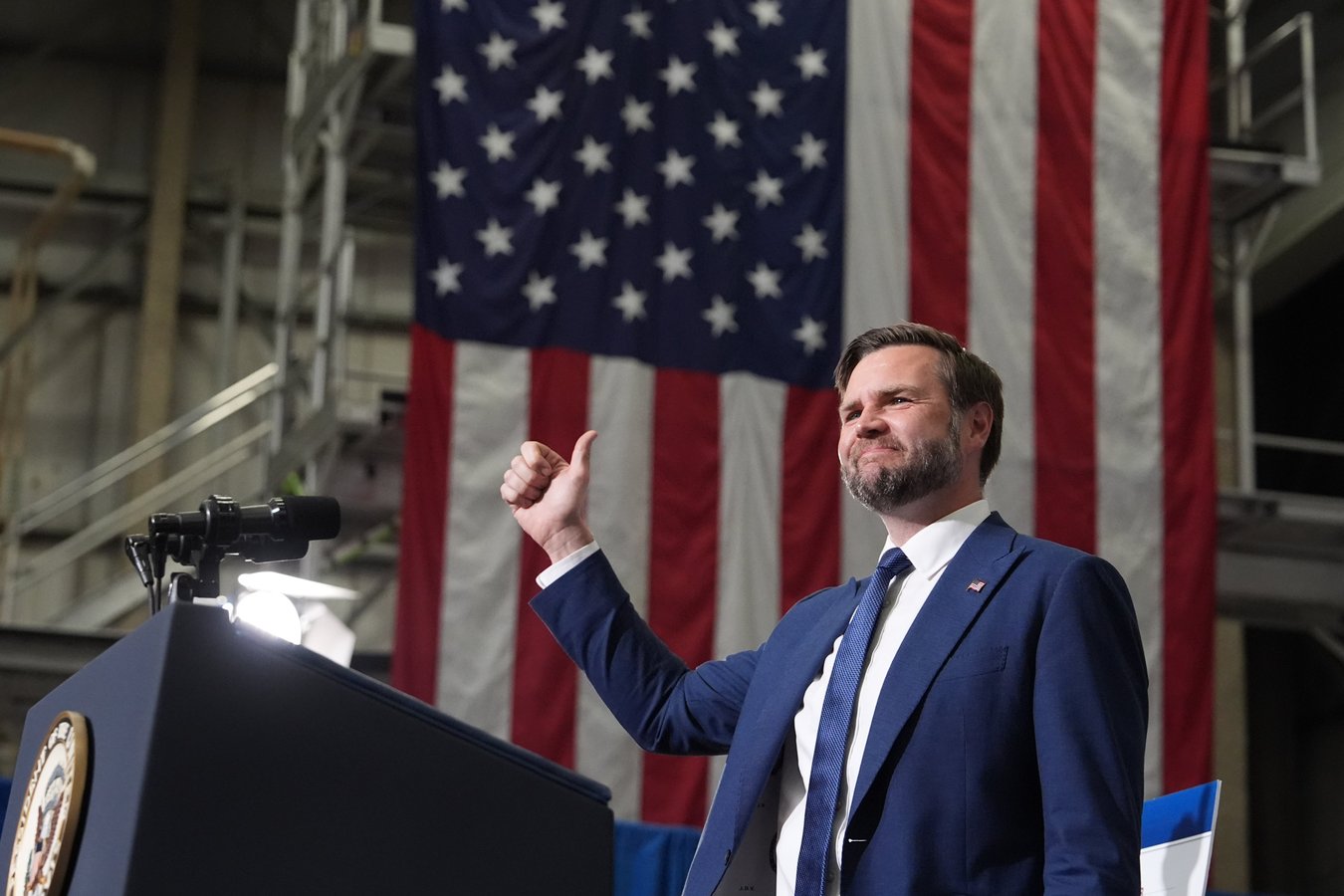

WASHINGTON – In a nearly three-hour conversation with Joe Rogan released Wednesday, US Vice President JD Vance said Jeffrey Epstein had connections to the “highest levels” of both American and Israeli intelligence, becoming the first sitting member of a US administration to make such a claim publicly, while also acknowledging that the Trump White House “absolutely screwed up the comms” of the Epstein files release. The podcast drew more than one million views on YouTube within 24 hours.
“He clearly had connections to the upper, the highest levels of American intelligence. He clearly had connections to the highest levels of Israeli intelligence,” Vance said, according to Al Jazeera. He added that Epstein “seemed to be connected to the elements of the Israeli deep state that were left of centre”: a framing that simultaneously acknowledged a connection while directing blame toward opponents of the current Israeli government.
Vance offered no documentary basis for the claims. He told Rogan that evidence directly linking Epstein to intelligence agencies “wouldn’t exist in 2026,” implying it would have been destroyed or never committed to paper. That absence, he suggested, was itself indicative of the depth of Epstein’s concealment rather than the absence of a connection.
The remarks intersected with a confrontation Vance has been waging in public for the past two weeks. Following the Trump administration’s signing of the Islamabad Memorandum of Understanding with Iran, he has accused elements of the Israeli political establishment of running a disinformation campaign against the deal, and separately told critics to “go to hell” in public remarks. In the Rogan interview, he wove together the Iran deal, Israeli intelligence, and the Epstein files in a sequence that no senior US official had previously offered.
Epstein funded Israeli organizations during his lifetime. Court records in the 3.5 million files released in January 2026 confirm $25,000 donated to Friends of the IDF and $15,000 to the Jewish National Fund. Those donations establish a financial relationship with Israeli institutions but say nothing, in themselves, about intelligence connections; that is a distinction Vance did not draw in the Rogan interview.
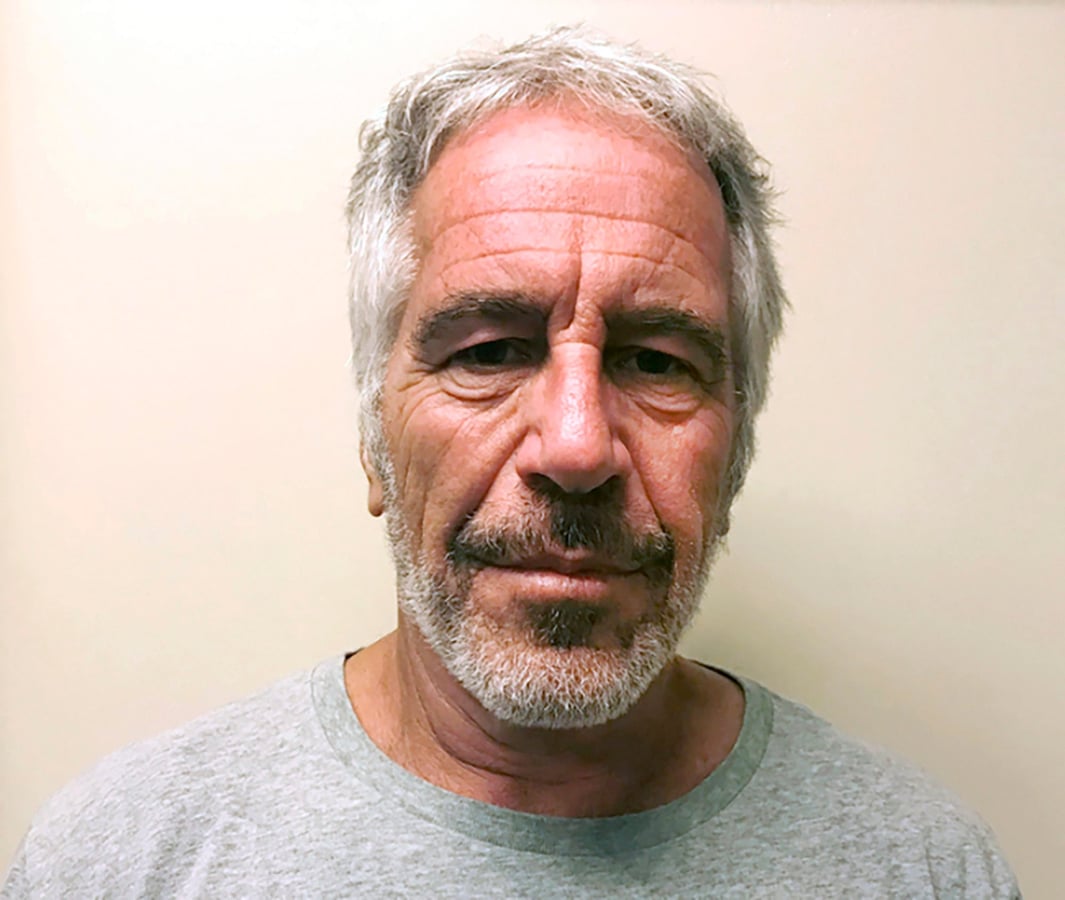
The same file release established that Ehud Barak, Israel’s former prime minister and defence minister, maintained extensive email contact with Epstein from 2013 to 2017. The files also showed that Yoni Koren, a former military intelligence aide to Barak, stayed at Epstein’s Manhattan townhouse and received partial funding from Epstein for cancer treatment in 2012. The documents did not characterise either relationship as an operational intelligence arrangement.
A 2020 internal FBI memo, described in court filings, had characterised Epstein as possibly a “co-opted Mossad agent.” The assessment was compiled from informant testimony and has never been independently verified. The FBI’s primary source for that characterisation was subsequently identified as Charles C. Johnson, a far-right provocateur later ordered to pay $71 million for impersonating a government spy and jailed in 2025 for stealing a courthouse mug during his deposition.
Vance’s comments on Attorney General Pam Bondi were carefully worded but no less significant in their effect. “I think Pam was trying to respond to the political moment. I think she overstated what we had,” he said. Bondi had made public statements about possessing an Epstein client list, statements that generated substantial political attention before no list materialised. Vance characterised her conduct as a communications failure rather than deliberate deception. “We absolutely screwed up the comms of the Epstein files. Like, we just did.”
Al Jazeera’s explainer on the podcast’s key claims noted that the Israeli government and its allies have not responded publicly to Vance’s statements about Epstein. The silence is notable given that Israel has previously moved quickly to rebut claims connecting senior officials to Epstein, including the characterisation of Barak’s contact with the financier as anything beyond personal acquaintance.
What the nearly three-hour conversation did not provide was evidence. Vance said he had been “briefed” on Epstein-related matters but declined to specify what those briefings contained, when they occurred, or whether they went beyond material already in the public files. He placed responsibility for the handling failures squarely on communications strategy, a distinction that critics of the files release are unlikely to accept as sufficient.
Whether Vance’s claim about connections at the “highest levels” of Israeli intelligence has any classified evidentiary basis remains unknown. The 2020 FBI memo stands, with its documented limitations. Barak’s correspondence stands. Yoni Koren’s stays at Epstein’s apartment stand. The gap between those confirmed facts and Vance’s assertion is the one he did not close on the world’s most-listened podcast, and it is the gap that will shape how this conversation is received once the view count stops climbing.