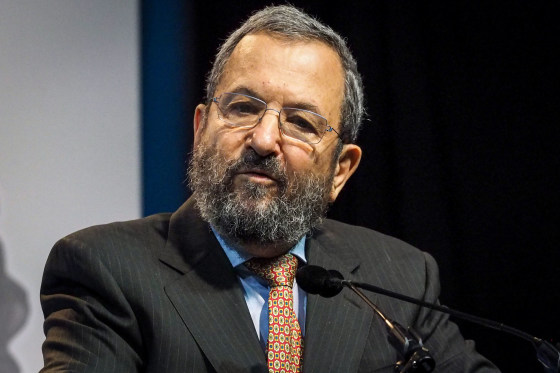

NEW YORK — Yoni Koren was not a household name when Jeffrey Epstein’s network was first exposed. A former Israeli military intelligence officer who served as an aide to Ehud Barak, Koren appears in the 2026 Department of Justice document release not as a peripheral figure but as someone who stayed inside Epstein’s Manhattan apartment and whose cancer treatment was partly funded by Epstein’s money.
The detail sits inside a larger disclosure about Barak’s years-long relationship with Epstein, a relationship that has produced more than 6,000 references across the DOJ release. Koren’s name surfaces specifically in connection with accommodation at Epstein’s townhouse on East 71st Street and with a financial arrangement that covered part of his cancer treatment costs in 2012. CNN reported the broader January release ran to more than 3 million pages of emails, financial records and FBI memos.
What the documents do not establish is any direct sexual or criminal connection. The DOJ materials describe Koren’s stay as part of Barak’s broader pattern of using Epstein’s Manhattan property when visiting New York, a practice that, according to the files, extended to several of Barak’s associates. Koren is identified in the records as a trusted figure inside Barak’s inner circle, someone with access to a network whose full contours American investigators spent years trying to map.
The cancer treatment funding is the more unusual element. According to the DOJ materials, Epstein contributed financially toward Koren’s treatment costs during a period when Koren was ill. The precise amount is not disclosed in the released sections, and the documents do not characterize the contribution as part of any arrangement or exchange. Whether it reflected personal generosity, a financial favor tied to a broader relationship, or something more structured is not answered in the current disclosure.
Koren’s background adds context to his presence in the files. A senior figure in Israeli military intelligence circles before entering Barak’s orbit, he represented the kind of connection that made Barak valuable to Epstein: access to defense and intelligence networks that Epstein cultivated consistently across his American, European, and Israeli contacts. The DOJ files show Epstein tracking these relationships in detail, names, dates, and the nature of each figure’s proximity to power.
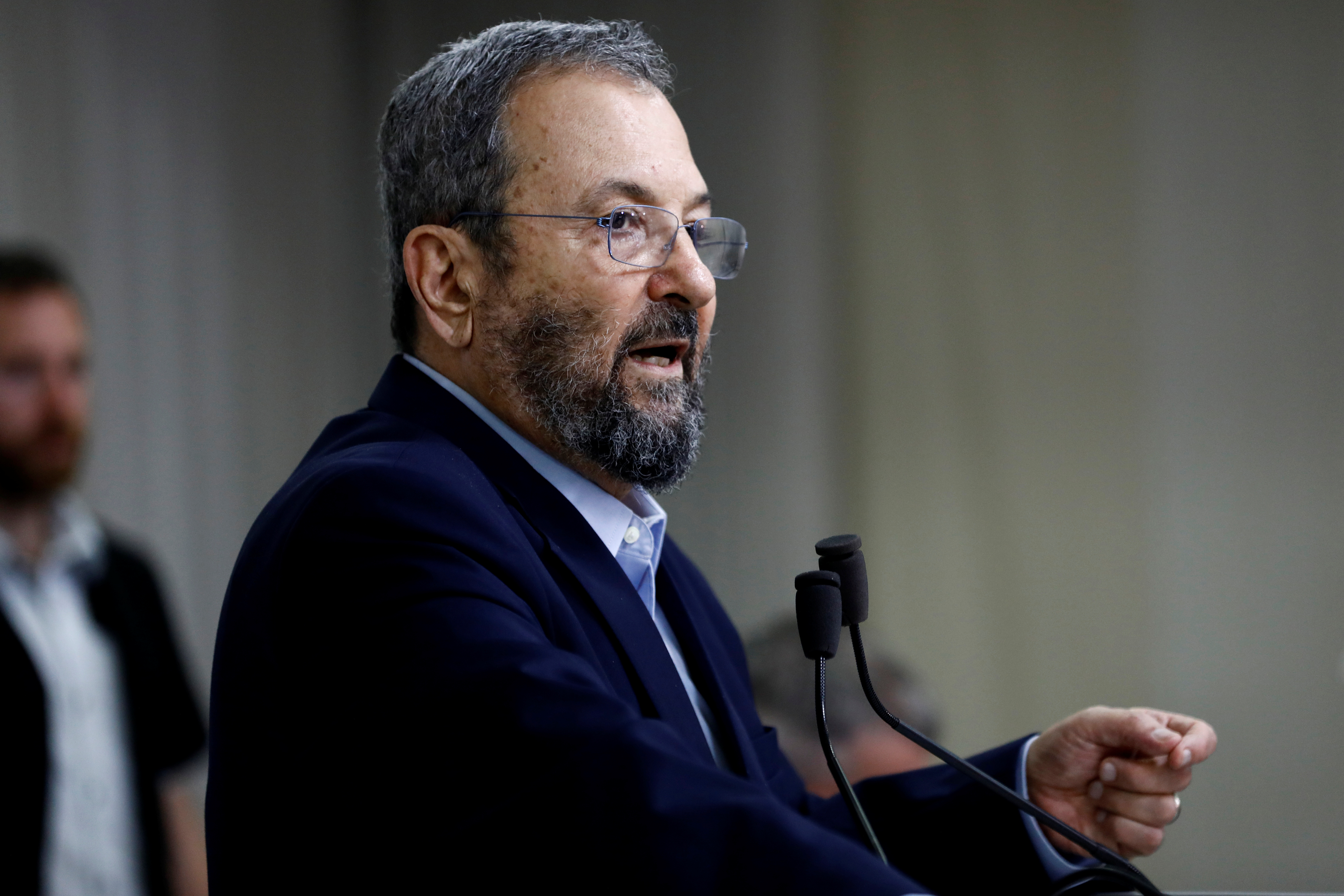
The broader picture of Barak’s involvement involves not just Koren but a constellation of Israeli officials and associates. Rafi Shlomo, a former Israeli security director at the United Nations, is separately named in the documents for installing a remote-access surveillance system at Epstein’s apartment at Barak’s request. The two threads, Koren’s stay and the technical infrastructure Shlomo installed, point toward a level of operational familiarity with Epstein’s physical space that goes beyond casual social contact.
The DOJ has separately defended redactions in portions of the release, meaning the publicly available documents remain an incomplete record. Investigators and journalists reviewing the materials are working through not simply who visited Epstein’s properties or received money from him, categories that include dozens of people across multiple countries. The harder question is which relationships were instrumental to Epstein’s ability to maintain impunity for as long as he did.
Israeli officials have not commented publicly on the DOJ document release as it relates to Koren specifically. Barak has previously denied wrongdoing and characterized his relationship with Epstein as a business association. Koren himself has not issued any public statement in response to the 2026 disclosures.
Koren, in the framework investigators are using, is a data point rather than a central figure. The documents name him; they do not, in the available sections, place him at the center of any criminal conduct. His significance lies in what he represents: the depth of Barak’s social and logistical ties to Epstein extended not just to Barak himself but to the aides and intelligence officials who traveled with him and depended on him.
Separately, conservative researcher Charles C. Johnson, who has been among those publicly analyzing the DOJ file contents, described the cancer treatment funding detail as one of the more personal financial transactions documented in the release, distinguishing it from the many professional or social encounters catalogued elsewhere. That characterization has not been independently verified against the underlying sealed materials, and the full scope of the arrangement remains unclear in what has been made public.
The question that the Koren entries leave open is the same one running through the broader DOJ release: at what point does proximity to Epstein become something more than proximity, and what evidence, still sealed or partially redacted, might answer that question more precisely. The documents name him. They do not yet explain him.