
WASHINGTON — When a federal judge gave the Justice Department until July 2 to uncover the names of people whose identities remain hidden in the Epstein files, the clock ran down to the final hours. The department chose not to comply.
Instead, the DOJ filed a defense of its redactions, asked for a 60-day delay, and announced plans to appeal, leaving at least eight sets of email records still blacked out, a draft criminal indictment with co-conspirators’ names obscured, and a 2007 email chain discussing a “torture video” with its recipient’s identity concealed. Whether those names will ever see daylight now rests with a higher court.
The case began with a lawsuit by journalist and legal analyst Katie Phang, who argued that the department had violated the Epstein Files Transparency Act — a law Congress passed specifically to force the release of documents from the investigation into convicted sex offender Jeffrey Epstein. U.S. District Judge Emmet Sullivan in Washington agreed with Phang’s central claim, concluded she was likely to prevail, and issued a preliminary injunction ordering the DOJ to either unredact the disputed materials or provide a detailed accounting of why each remained blacked out by July 2.
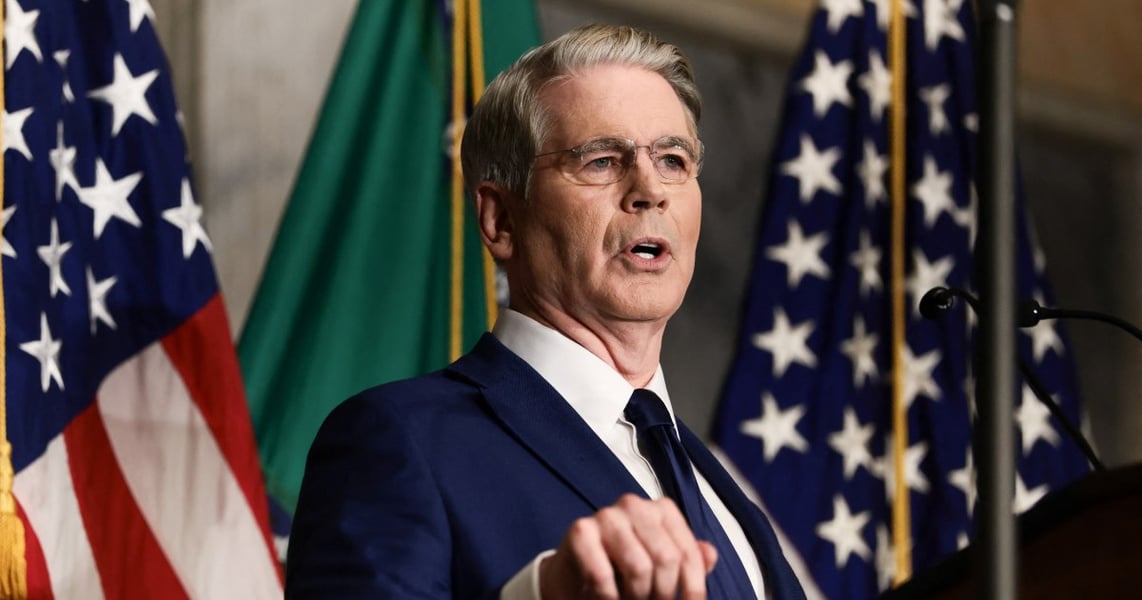
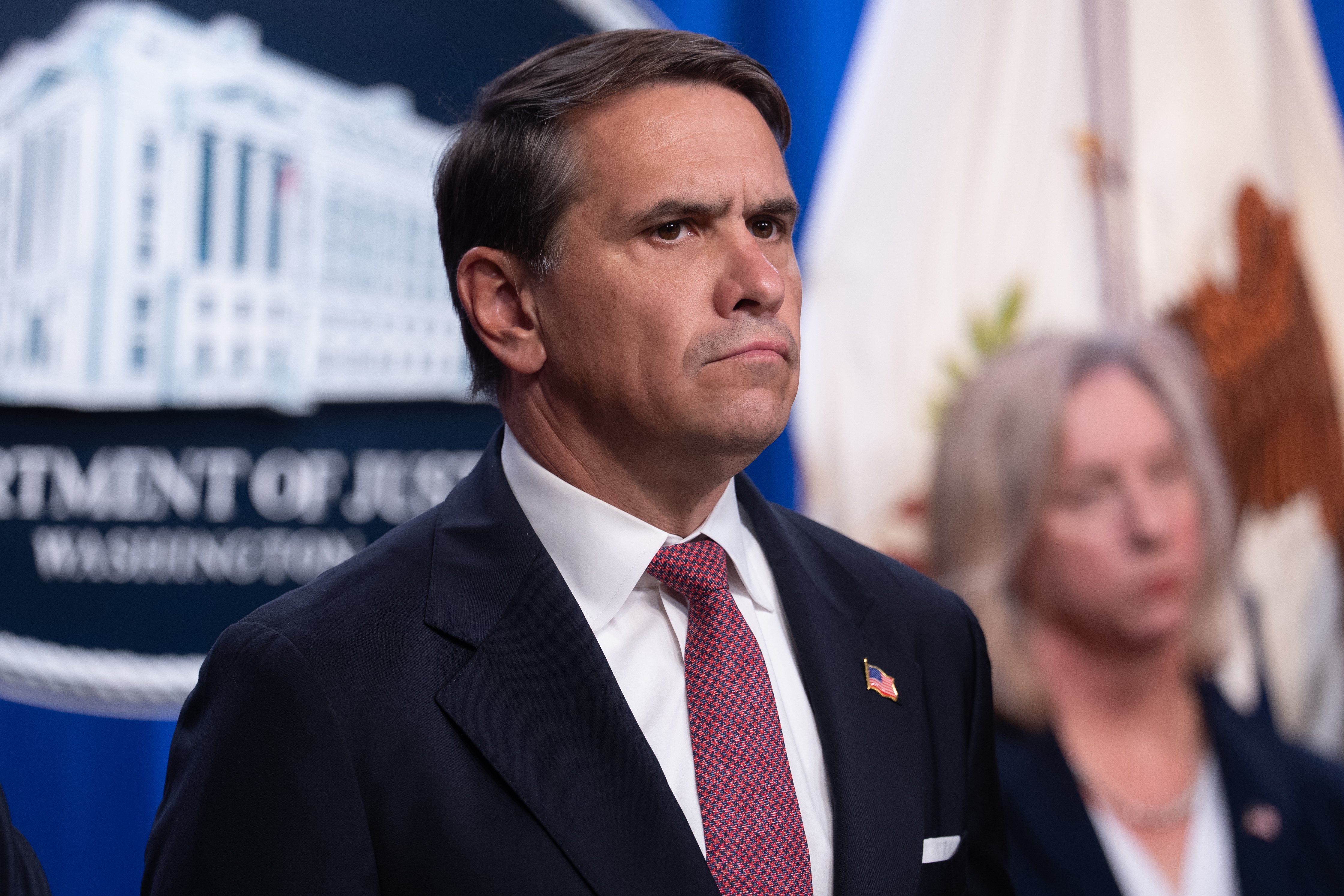
The Justice Department’s response, filed in the hours before that deadline, did not accept either option. Associate Attorney General Stanley Woodward told the judge his department has “devoted incredible time and resources” to reviewing more than six million documents under the Epstein Files Transparency Act and argued that its interpretation of the law’s disclosure exemptions was correct. Woodward called Sullivan’s reading of the statute “perverse” and said the department had “not knowingly violated, nor has it ever acknowledged violating, the EFTA.”
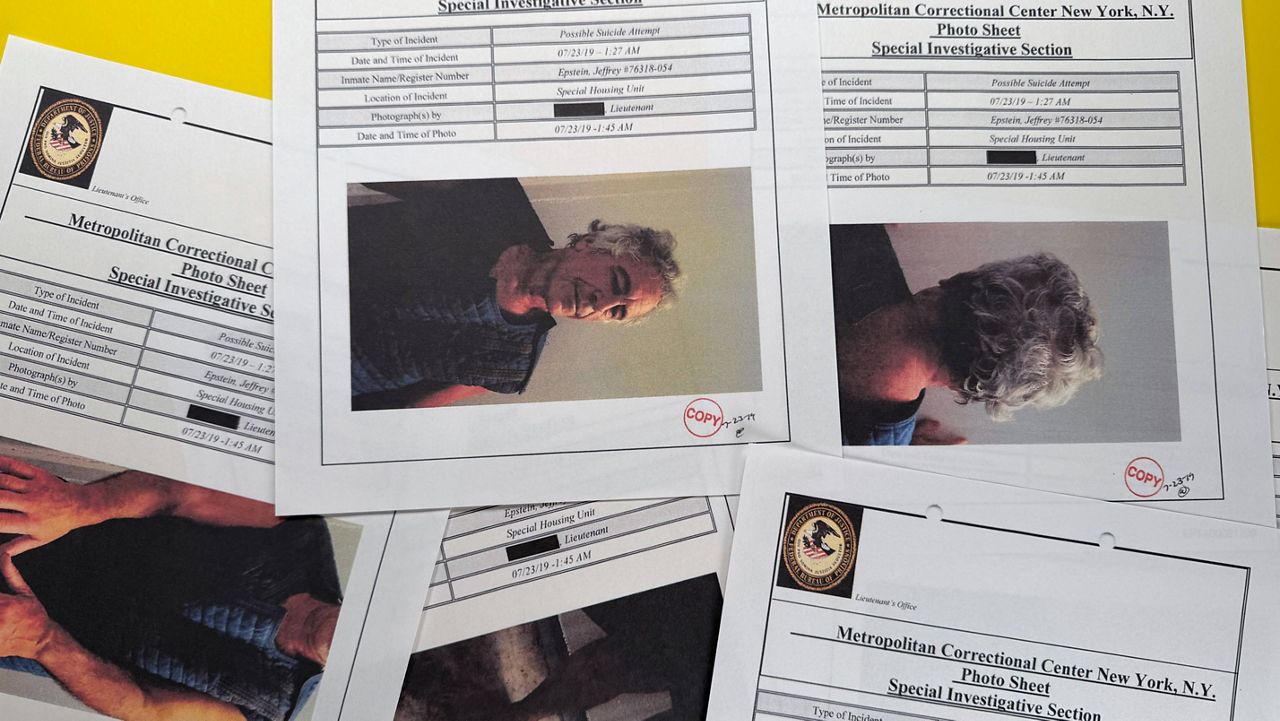
The materials at the center of the dispute include eight emails in which either the sender or the recipient has been blacked out, a draft 2007 indictment from the Southern District of Florida with potential co-conspirators’ names obscured, and a 2019 email referencing multiple co-conspirators with their identities redacted. Also withheld: handwritten interview notes from a woman who alleged she was assaulted by President Trump as a minor. The DOJ says those notes are duplicative of typewritten reports it has already released, though the handwritten originals have not been disclosed.
The department’s main argument is victim protection. “Many communications written by victims, without context, can appear disturbing on their face,” Woodward wrote, arguing that disclosing senders and recipients in some of the emails would expose people who shared private details in the course of Epstein’s crimes. The Epstein Files Transparency Act includes exemptions for victims’ identifying information and for materials that could jeopardize an ongoing investigation; the DOJ says it is operating within those exemptions. Judge Sullivan concluded otherwise.
Phang’s attorney, Brendan Ballou, was more direct. “The government thought that it could ignore its own law and blow off a judge’s order,” Ballou said, “all for the sake of protecting the very powerful and the very rich.”
The controversy over the redacted names has been building since the DOJ first began releasing Epstein files in late 2025. Representatives Ro Khanna, a California Democrat, and Thomas Massie, a Kentucky Republican, co-authored the Epstein Files Transparency Act and were granted access to view the unredacted documents. After reviewing them in February, Massie said at least six individuals “likely incriminated” by the files had been blacked out from the public versions, including one person, he said, who is “pretty high up in a foreign government.” Khanna, reviewing the same materials, said “one of the others is a pretty prominent individual.”
Neither lawmaker named the individuals publicly. Both have since called for the appointment of a special master to compel the DOJ to release the full files. Acting Attorney General Todd Blanche publicly criticised both Khanna and Massie for their characterisation of the redactions, while the department sent a separate letter to Congress listing people named in the Epstein files, including Trump, in what it described as a demonstration of its compliance with the law.
The DOJ’s appeal will now move to a higher court. A department spokesperson said it plans to proceed “with confidence.” Sullivan denied the department’s request for a seven-day pause, meaning the preliminary injunction technically remains in force even as the appeal is filed. Whether the appellate court will grant a stay, and whether it will find the EFTA’s exemptions cover the specific materials Sullivan reviewed, are questions with no immediate answers. “The DOJ is once again purposefully muddying the waters on who was a predator and who was mentioned in an email,” Khanna said after the department filed its response.
For Epstein’s accusers and for the lawmakers who wrote the legislation demanding transparency, the appeal is the opposite of the closure the law was intended to deliver. Whether it is also what the law permits is a question courts have not yet settled.