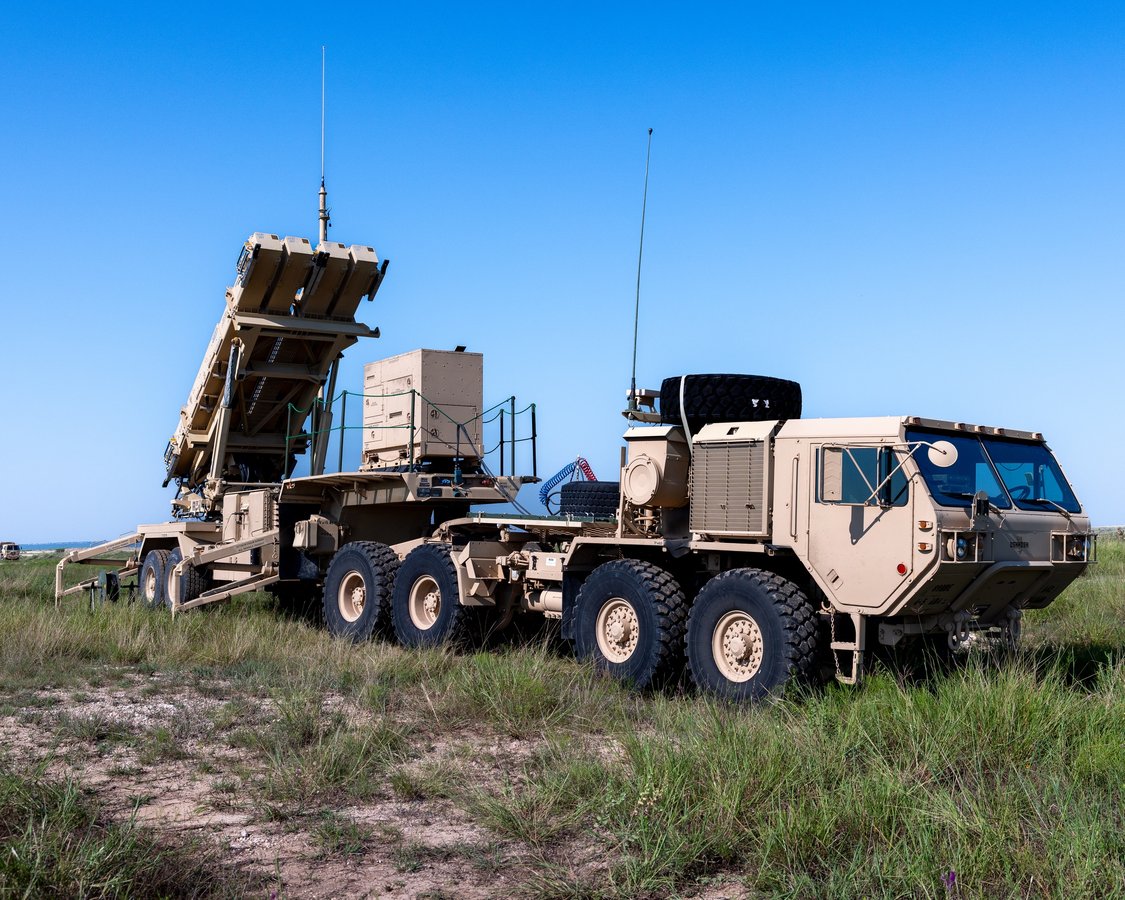

WASHINGTON – The United States has fewer than 1,700 Patriot interceptor missiles in its arsenal, a depletion driven largely by the Iran war that has also pulled American air defense systems away from European bases, raising quiet but urgent concerns among NATO allies about the durability of US security guarantees, the New York Times reported Friday.
The figure represents the lowest point in the country’s Patriot stockpile in years. During five months of combat against Iran, the military expended more than 1,500 of the interceptors – a pace that officials say will take more than two years to reverse even with accelerated production contracts. The math alone is alarming to allies in Eastern Europe, where the proximity of the Russian operation in Ukraine has not diminished and where American Patriot batteries have long provided the visible backbone of extended deterrence.
The drawdown did not happen in one place. To sustain air defense coverage in the Middle East, the Pentagon redeployed Patriot batteries from Europe and Asia, creating what officials described to the Times as “cascading consequences” – equipment wear, maintenance backlogs, and structural gaps in the coverage those systems had been filling. The countries from which batteries were pulled were not publicly identified. The number of batteries involved was not disclosed.
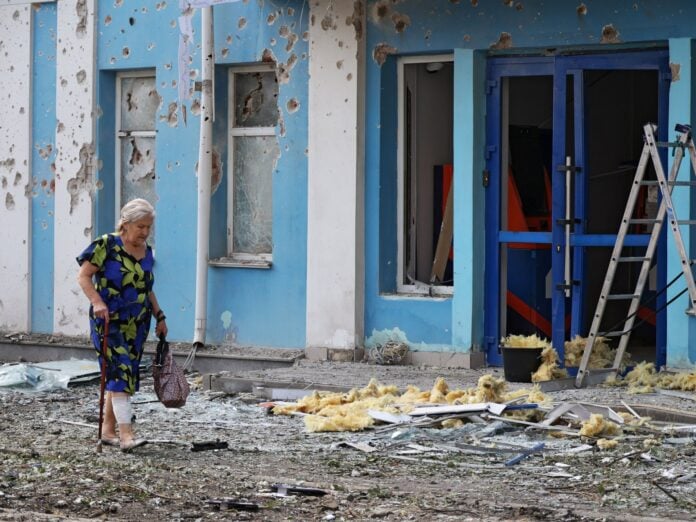
That absence of specifics has not calmed allied capitals. When a Russian missile struck eastern Poland earlier this month, crossing briefly into NATO territory, alliance emergency sessions convened within hours. The episode illustrated how quickly a miscalculation or accident can demand an immediate air defense response. That Poland was struck at all suggested the eastern coverage was already stretched before the Patriot drawdown accelerated.
The concern extends beyond Europe. According to the Times, senior American officials privately expressed worry that South Korea and Japan had begun to question whether Washington could realistically protect them. Patriot batteries repositioned to the Middle East had left a thinned presence in the Pacific, and neither Seoul nor Tokyo has been given a formal accounting of how the United States intends to compensate for the reduction. The silence has generated its own form of doubt.
The Trump administration’s internal reaction to the disclosure added a separate layer of friction. The Washington Post reported that President Trump had demanded explanations from Defense Secretary Pete Hegseth regarding how the shortage had been communicated – or, evidently, not communicated – to senior leadership. Hegseth did not address the reporting publicly. The episode fit a pattern of communication breakdowns between the defense secretary and the broader national security apparatus that has persisted since he took office.
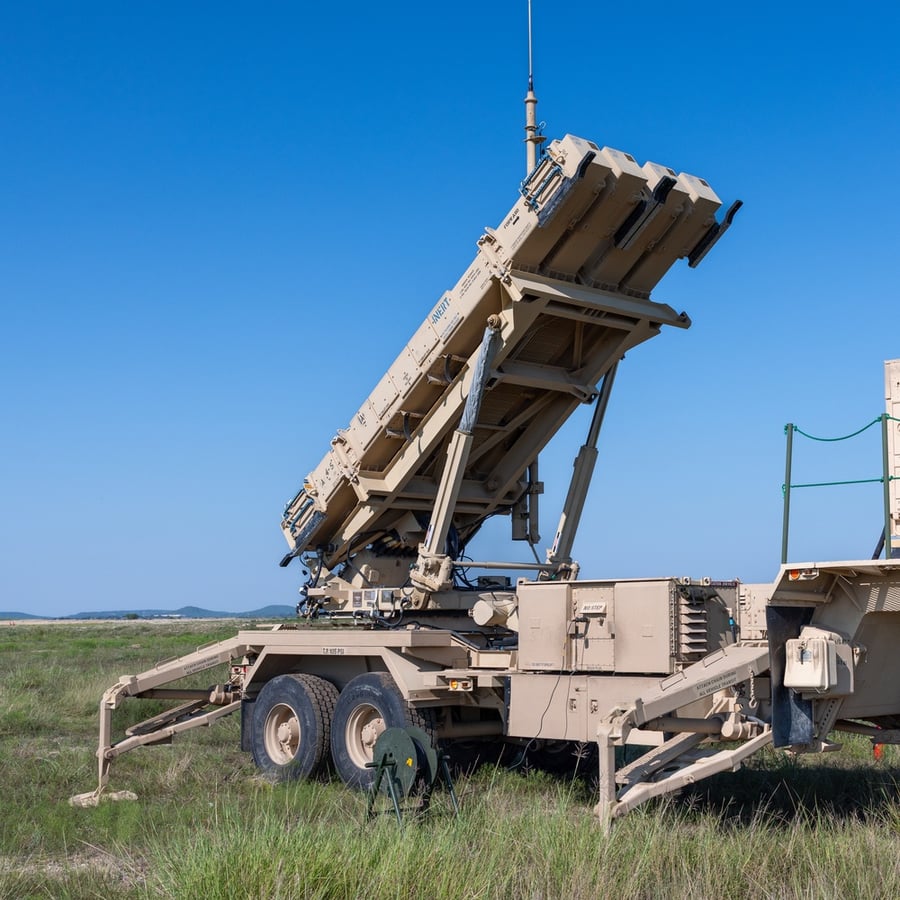
The depletion was foreseeable in outline, if not in precise scale. When the US bombing campaign against Iran began, Patriot systems were tasked with protecting American installations and personnel from the retaliatory salvos that followed. Iran’s initial strikes were heavier than planners had anticipated, drawing down interceptor stocks at a rate that outpaced industrial resupply. By the time a ceasefire took shape in June, the damage to Patriot inventories had been severe. Russia’s overnight barrage on Kyiv earlier this month – which Ukraine intercepted none of – underscored just how desperately interceptor stocks matter when they run short.
Earlier reporting established that the Patriot problem was part of a broader munitions crisis. A Reuters exclusive published this month confirmed the US had exhausted virtually all its ATACMS and PrSM long-range precision missiles in the Iran conflict. The Patriot stockpile, now below 1,700 interceptors, places that number in starker relief.
The production side offers no quick remedy. Raytheon’s manufacturing lines for PAC-3 and PAC-3 MSE interceptors were already near capacity before the conflict began. Officials say that even with the efforts underway to accelerate output, two years is a realistic floor before stockpiles return to pre-war levels. Some estimates run longer. The Pentagon has not publicly committed to a specific production target or timeline.
NATO Secretary-General Mark Rutte has not addressed the Patriot shortfall directly. The Alliance has not indicated whether member governments have been briefed on the specific figures. European Patriot operators – Germany, the Netherlands, Poland among them – face their own inventory pressures from Ukraine-related assistance and domestic modernization schedules. They do not have the capacity to absorb a major American drawdown on top of their own constraints.
The backdrop for all of this includes Trump’s warning last month that European allies would face “big trouble” without his friendship. The remark was left deliberately vague but revived the longstanding anxiety that American commitments to NATO are, under this administration, subject to renegotiation. A Patriot stockpile at its lowest point in years, redeployed from European bases at a moment when those allies are already being asked to spend more, does not settle that anxiety.
What the New York Times reporting does not resolve is the question that will matter most to the governments most exposed. Which specific bases have lost Patriot coverage? Which allied governments have been notified? What substitutes, if any, have been arranged? Those details remain inside the Pentagon and were not addressed in its response to the reporting. What has become public is the shape of a problem the administration did not volunteer – one disclosed through journalism rather than policy statement, and one that NATO allies will now have to factor into their own strategic calculations.