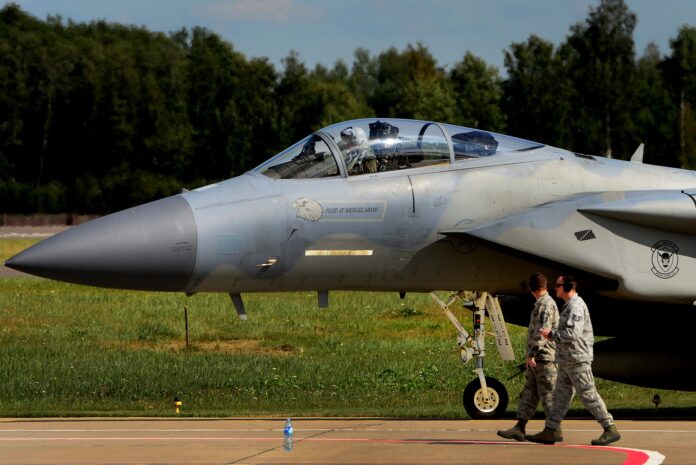

TEHRAN – A hospital in Ahvaz was forced to evacuate 211 patients on Thursday as United States forces struck targets across a wider swath of Iran than at any previous point in the conflict, reaching cities in the country’s north and interior for the first time, while simultaneously disabling an oil tanker attempting to reach Kharg Island with Hellfire missiles. Iran responded by striking American military installations in Kuwait and Bahrain and launching drone attacks toward US positions in northern Iraq.
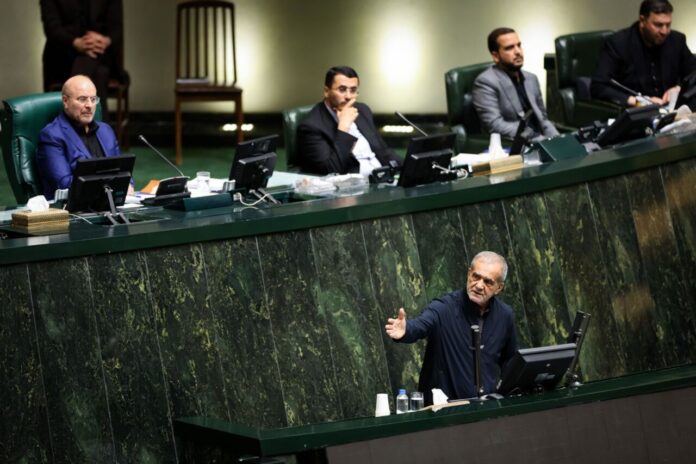
The strikes on Khorramabad and Semnan, confirmed in broad terms by Western reporting and Iranian state media, represented a significant geographic shift from the southern port-city campaign that has defined the US air offensive since late February. Previous attacks had concentrated on Bandar Abbas, Chabahar, Sirik, and other facilities along Iran’s southern coastline. Thursday’s wave extended well inland and north, a pattern Iran’s parliament speaker Mohammad Bagher Ghalibaf described as pushing toward an “existential” conflict if Washington continued violating the June 14 memorandum of understanding.
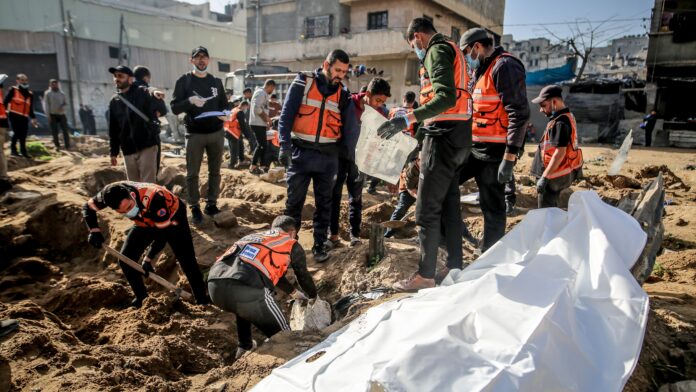
Iran’s Revolutionary Guard Corps said the hospital evacuation in Ahvaz resulted from a US strike near the medical facility. Tehran condemned the bombing as “barbaric.” The United States did not acknowledge striking a hospital or its surroundings; CENTCOM’s statement described the day’s operations as targeting command centres, air defence sites, missile and drone capabilities, and coastal surveillance installations. The gap between Iran’s account and Washington’s is not resolved by anything either government has said publicly.
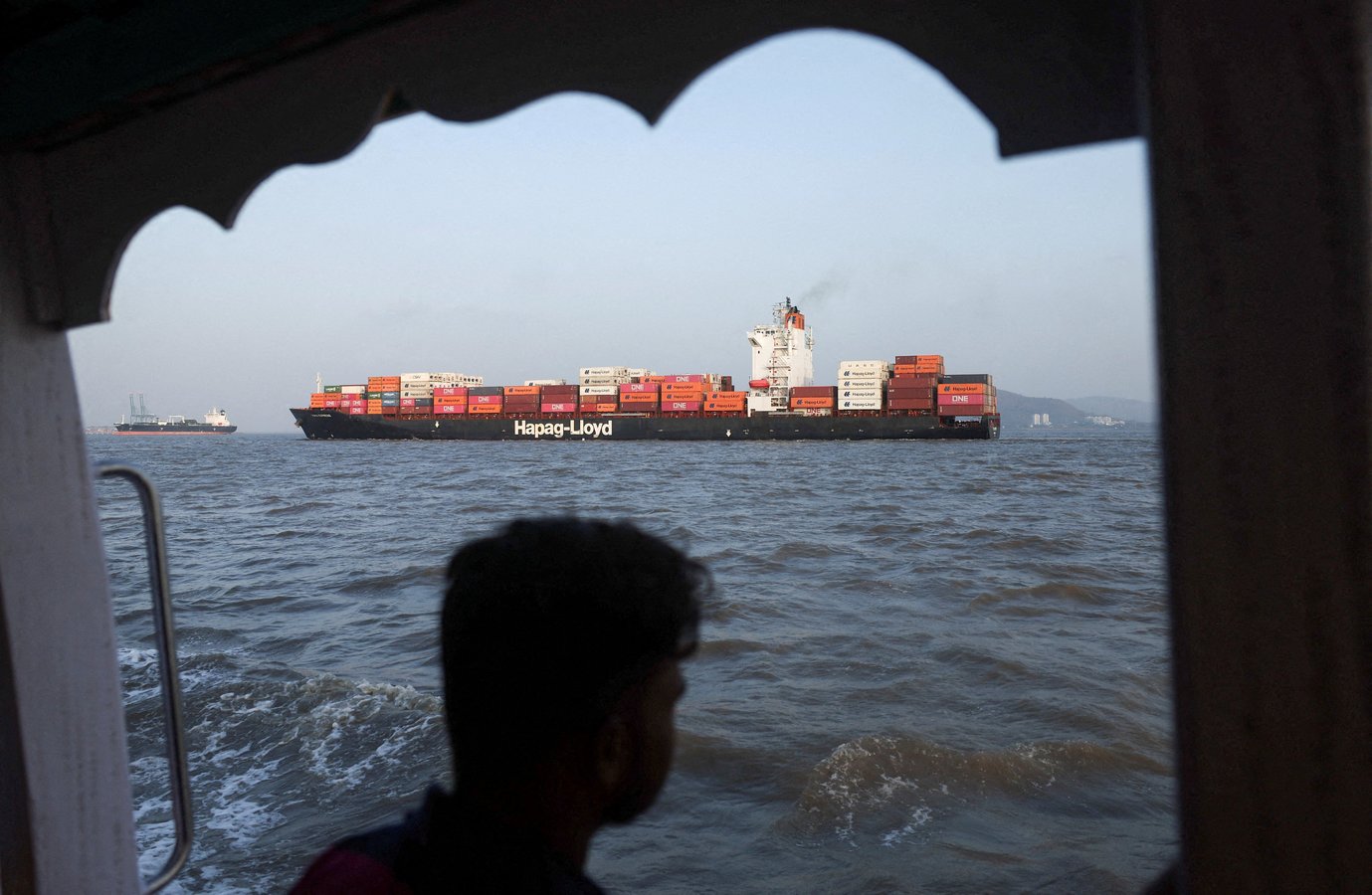
The disabled tanker was heading toward Kharg Island when CENTCOM intercepted it with Hellfire missiles, characterising the vessel as “non-compliant” with the naval blockade. The ship’s name, flag, and cargo were not disclosed. Kharg Island accounts for the dominant share of Iran’s crude oil export capacity; disabling a vessel bound for its terminal, rather than turning it back, signals an intensification of the blockade’s enforcement posture that Tehran has not yet publicly acknowledged or formally protested.
Air defence systems activated over Tehran, Pakdasht, and Parchin during Thursday’s exchange, suggesting American operations extending closer to the Iranian capital than at any confirmed point in the campaign. An MQ-9 drone was downed over Andimeshk, a loss Iran’s military presented as evidence of its continued ability to contest airspace despite four months of sustained US pressure on its defensive infrastructure. CENTCOM did not confirm the drone loss in its initial statement.
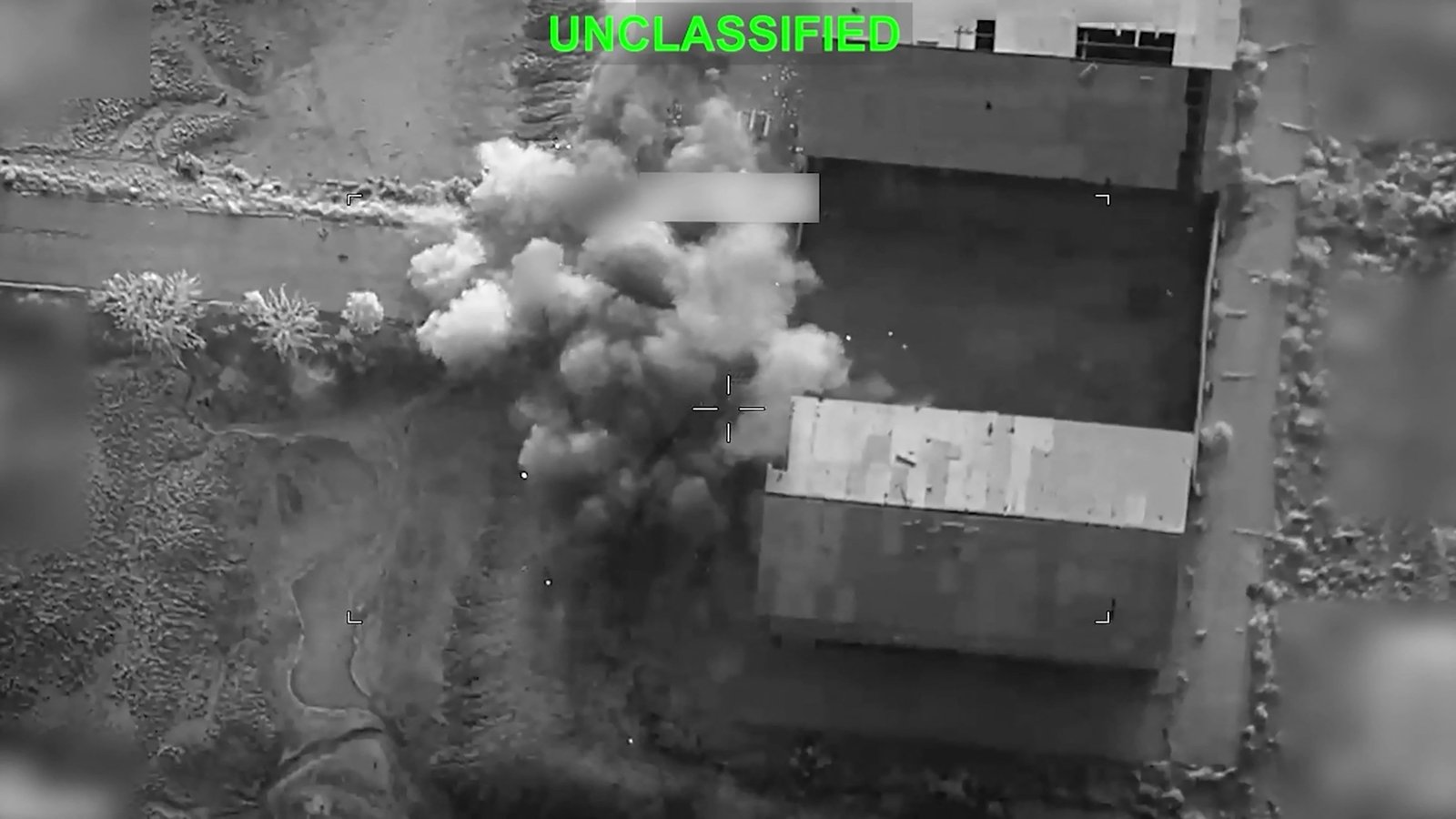
Iran’s response unfolded across four fronts within hours. The Revolutionary Guard struck Ali Al Salem airbase in Kuwait, targeting radar systems, Patriot air defence batteries, and fuel storage. Sheikh Isa airbase in Bahrain, close to the Fifth Fleet’s headquarters, was hit with strikes aimed at Super Hawk radars and additional Patriot systems. Jordan’s military reported intercepting eight incoming Iranian missiles. Five drones struck near Erbil in northern Iraq; two came down close to a US military installation and one landed near the US consulate in the Kurdish capital.
The simultaneous targeting of four countries hosting American military infrastructure represented an expansion of Iranian retaliation beyond its earlier pattern. As the conflict deepened after the IRGC formally declared the Strait of Hormuz closed in mid-July, Tehran has steadily widened the geographic scope of its responses, shifting from strikes on Gulf state civilian territory toward direct attacks on US military installations in the region.
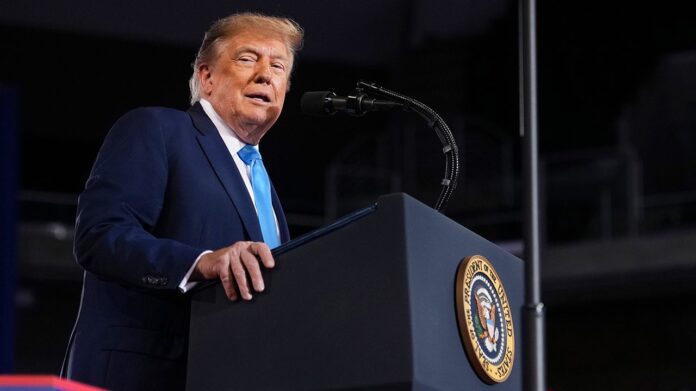
At least 35 people were killed and more than 300 wounded in Thursday’s exchanges, according to figures from Iranian state media and regional health authorities. The breakdown between casualties from US strikes and Iranian counter-fire was not independently verified. Trump, speaking at the White House, said of Iran: “They do want to settle,” a comment at odds with the military tempo both sides maintained through Thursday afternoon. His statement echoed the posture he adopted three weeks ago when US Central Command struck more than 300 Iranian military targets and Trump declared the United States would become guardian of the Strait of Hormuz.
Al Jazeera, tracking the day’s exchanges in detail, reported that Iran’s military warned “all infrastructure in the region will be crushed under steel blows” if the United States pressed further against civilian sites. The warning was broad enough to encompass Gulf state energy infrastructure, a threat category Saudi Arabia and the UAE have spent two years trying to insulate through alternative pipeline routing. Whether that warning extends in practice to non-combatant Gulf states is not something Tehran has specified.
The diplomatic back-channel that produced the June 14 memorandum of understanding has not publicly collapsed. Al Jazeera’s liveblog noted that Oman and Qatar retain their mediating roles, and that a US official suggested earlier this week that a path to resolution remained open if Iran released the detained American. What Thursday’s escalation does is compress the window between military action and the next diplomatic move. The June MoU’s 60-day navigation clause has already lapsed, and no replacement has been proposed that both governments have publicly endorsed.
Whether the current tempo can be sustained without triggering a qualitatively different phase of the conflict is the question Thursday’s exchanges raised without resolving. Iran’s air defence activations over Tehran suggest the north of the country is no longer beyond the campaign’s reach. The hospital in Ahvaz evacuated 211 patients and Washington has said nothing about why. The name of the disabled tanker remains unknown. What is established is that Thursday moved the conflict’s geographic and civilian boundaries simultaneously, and neither government has offered a mechanism for where the next boundary lies.