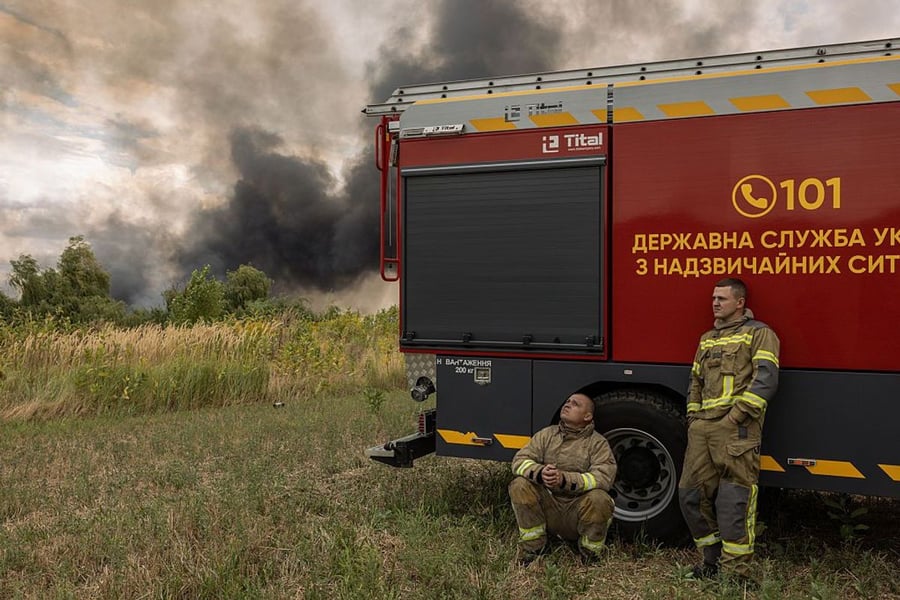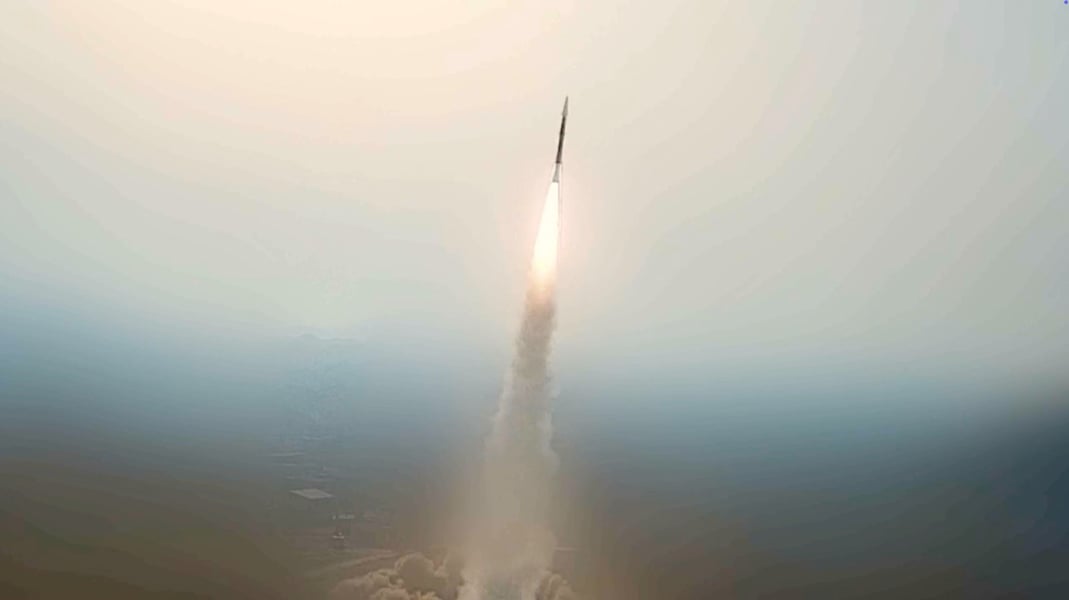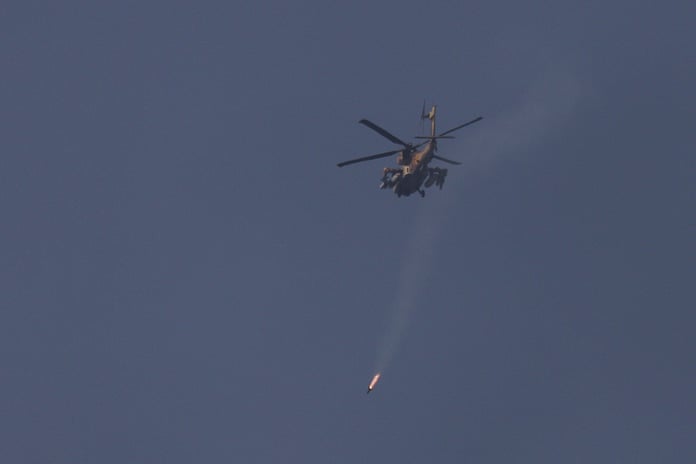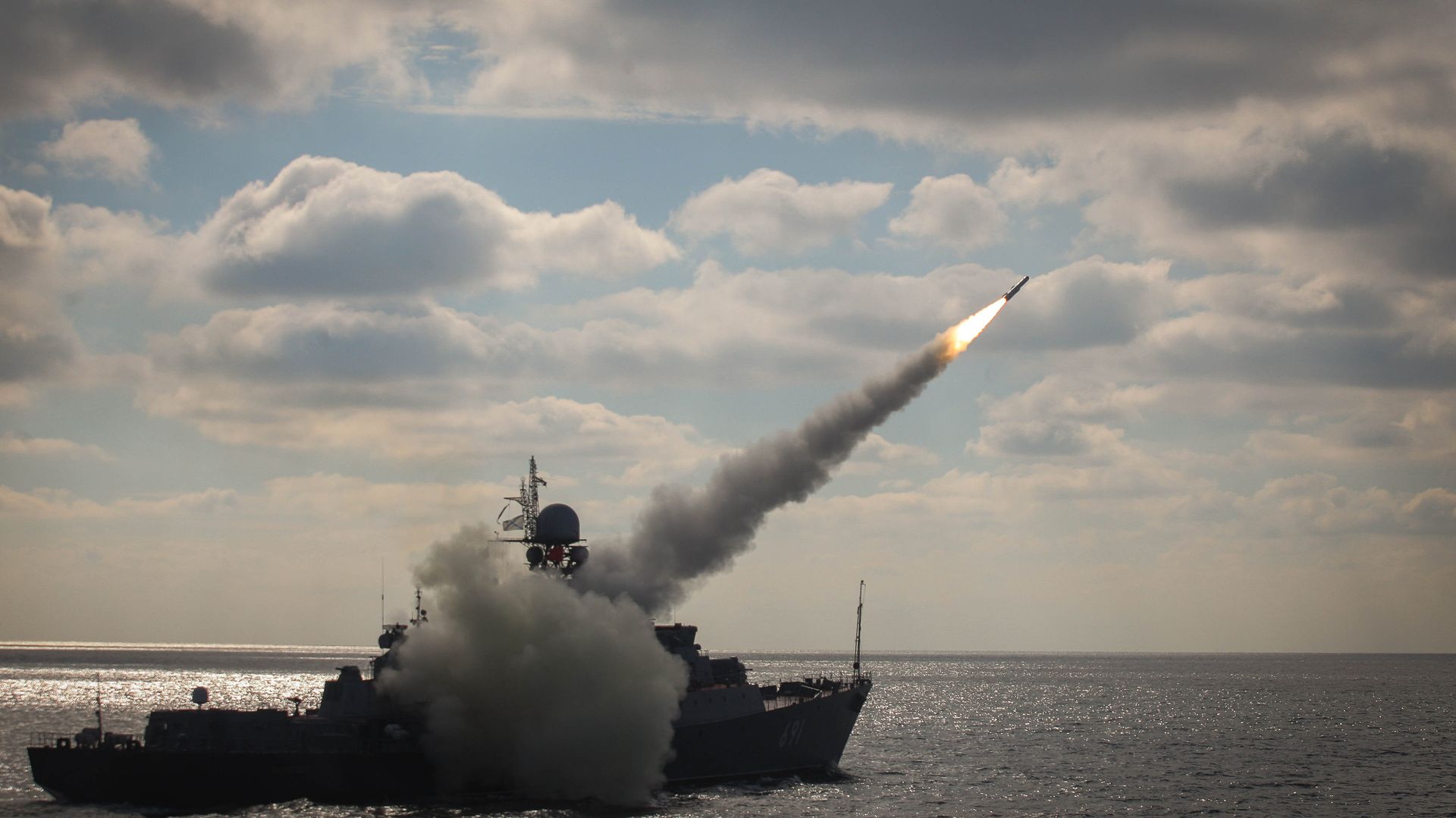

ODESA – At least three people were dead by midmorning Tuesday in Odesa, killed when Russian missiles struck the city for the fifth consecutive day. Three others were wounded. Russia’s Defense Ministry said its forces hit fuel depots and drone assembly lines. Ukrainian emergency services placed the victims in a residential area.
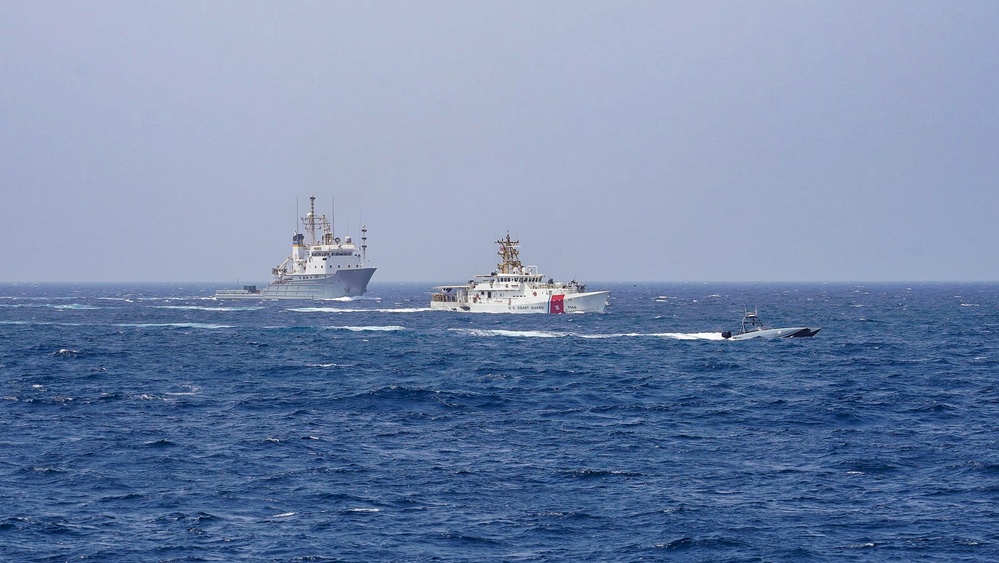
Ukraine fought back within the same 24-hour window. Its forces struck 17 oil tankers, two gas tankers, and a tugboat across the Black Sea, the Danube Delta, and the Kerch Strait. Since July 6, Ukraine has reported damaging or destroying 116 Russian vessels, a tally Moscow has not disputed. The Black Sea campaign has already compressed civilian fuel supply in occupied Crimea, where rolling blackouts spread across more than a dozen regions after Ukraine’s Black Sea fuel campaign struck 19 vessels earlier this month.
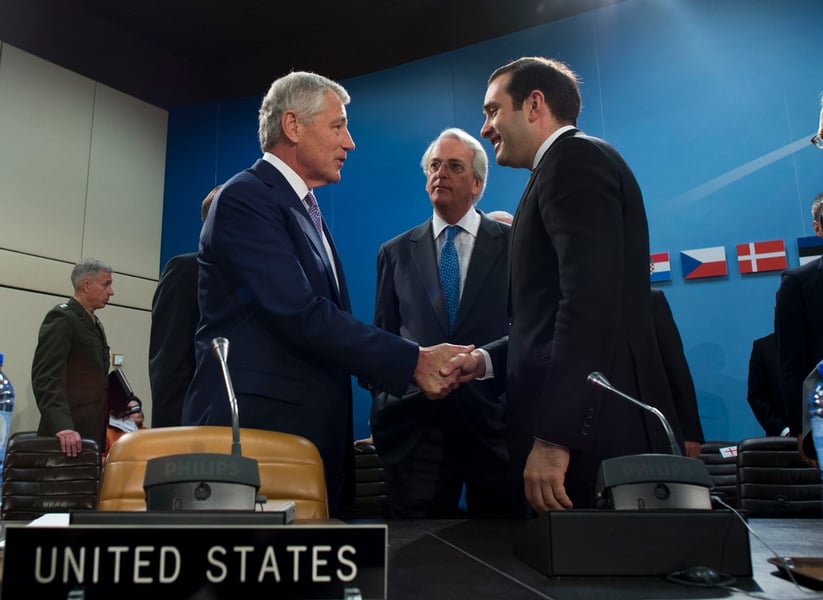
Against that backdrop, European Commission President Ursula von der Leyen arrived in Kyiv on Tuesday for talks on integrating Ukraine’s defense industry into European supply chains. No specific new weapons deliveries were announced. The visit’s significance was structural: Brussels is no longer framing its Ukraine commitment as emergency transfers but as a long-term industrial relationship, with European factories eventually producing a share of what Ukraine fields in combat.
Russia’s Foreign Minister Sergei Lavrov called Ukraine’s naval campaign terrorism. “What Kyiv is doing is nothing less than terror on the high seas,” Lavrov said, framing the strikes on oil tankers and cargo ships as attacks on civilian vessels. Ukraine’s commanders describe those same vessels as part of the Russian military’s fuel logistics chain in the Black Sea. The distinction is legally significant and practically unverifiable: independent observers have not confirmed what the struck ships were carrying.
Al Jazeera confirmed the Tuesday deaths in Odesa, noting the city had not had a day free of Russian strikes in nearly a week. Ukrainian officials have not released the names of those killed, the specific location within the city where the missiles hit, or details about the weapons Russia used. That information would help establish whether the residential casualties were caused by a direct strike or by debris and secondary effects from attacks on the claimed military targets nearby.
Sputnik International reported on Monday that Russia had struck three dry cargo ships at Odesa port the previous day, citing the Russian Defense Ministry. That claim also awaited independent confirmation. The sequencing, dry cargo ships one day, fuel depots and drone assembly the next, suggests a targeting pattern broad enough to encompass both commercial shipping infrastructure and military logistics in the same sustained campaign.
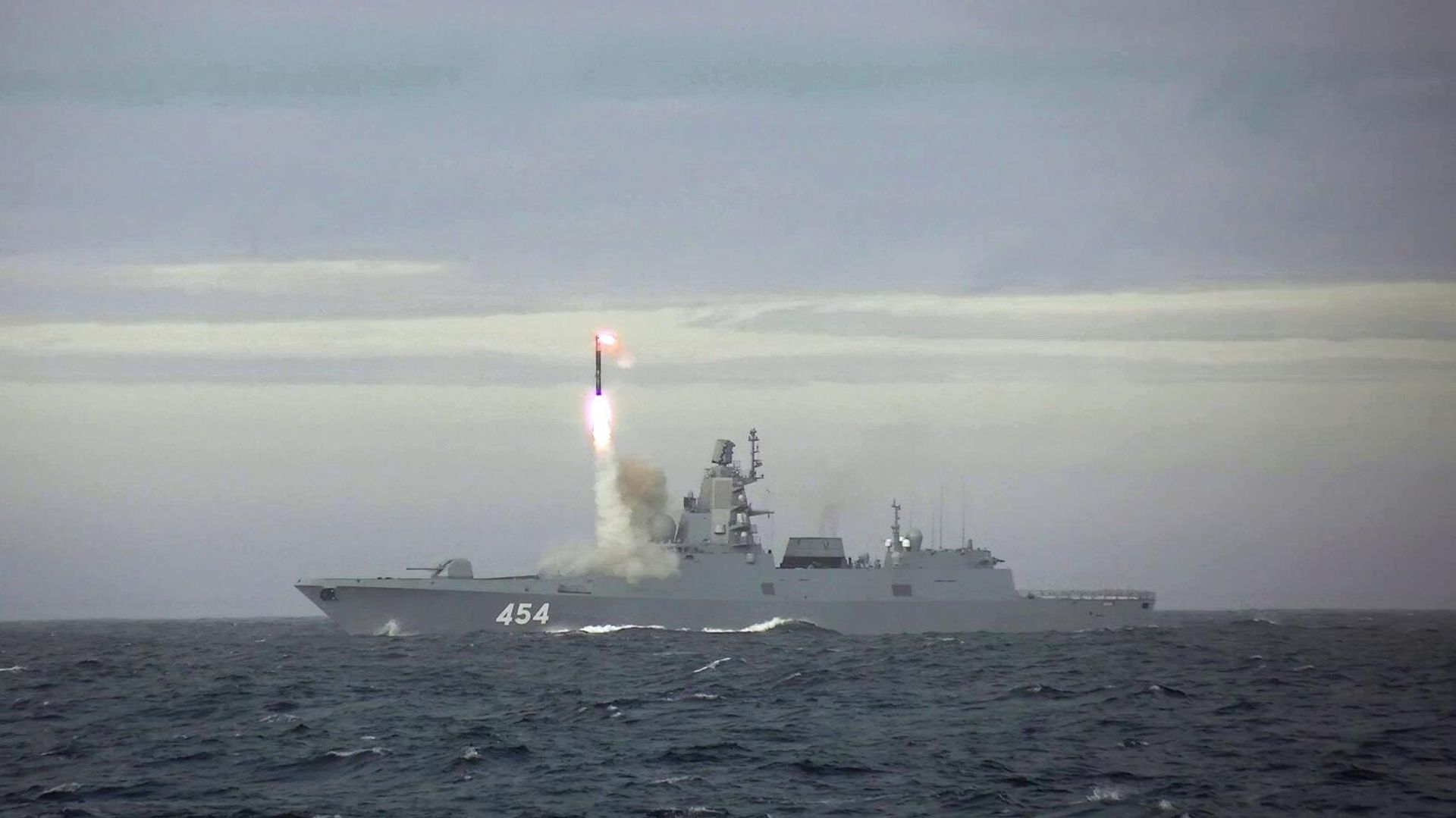
Five consecutive days of strikes on a single city is not an accident of targeting cycles. Russia has consistently intensified bombardment of the Odesa port cluster at specific intervals since the start of the operation, often in response to Ukrainian advances or successes elsewhere in the theater. Whether the current sequence is intended to degrade actual military infrastructure or to impose psychological and economic pressure on one of Ukraine’s most important port cities is a question Russian official statements do not resolve.
The claim that drone assembly facilities were among Tuesday’s targets reflects how seriously Moscow treats Ukraine’s naval drone program. The autonomous surface vessels Ukraine has deployed in the Black Sea have sunk or damaged multiple Russian fleet assets and now operate at ranges that cover the full northern Black Sea. Russia’s claimed strikes on Chernomorsk port two days earlier also identified a drone launch platform as a target, a designation Ukrainian authorities did not confirm and independent analysts had not verified.
Von der Leyen’s visit placed the EU’s longer-term posture against the immediate tempo of the war. The Commission president has made a structural case for European defense industrial integration with Ukraine, but the gap between that ambition and the actual delivery of air defense interceptors, the category Ukraine’s cities most urgently need, has been a consistent frustration for Ukrainian commanders. Whether Tuesday’s talks narrowed that gap or reinforced political solidarity without new hardware was not publicly confirmed.
What the three dead in Odesa left behind on Tuesday is not recoverable by a diplomatic visit or a 116-vessel strike tally. The city has absorbed Russian attacks for more than four years. It has not stopped working. The port moved cargo Tuesday morning as it moved it Monday, under the same conditions, with the same exhausted professionalism that a city develops when it has decided, without any particular heroism, to simply continue.
Related Posts