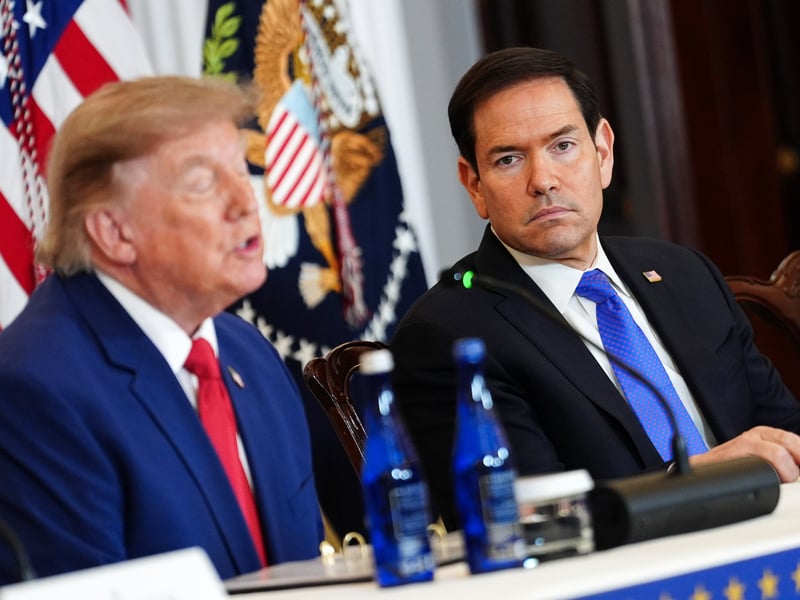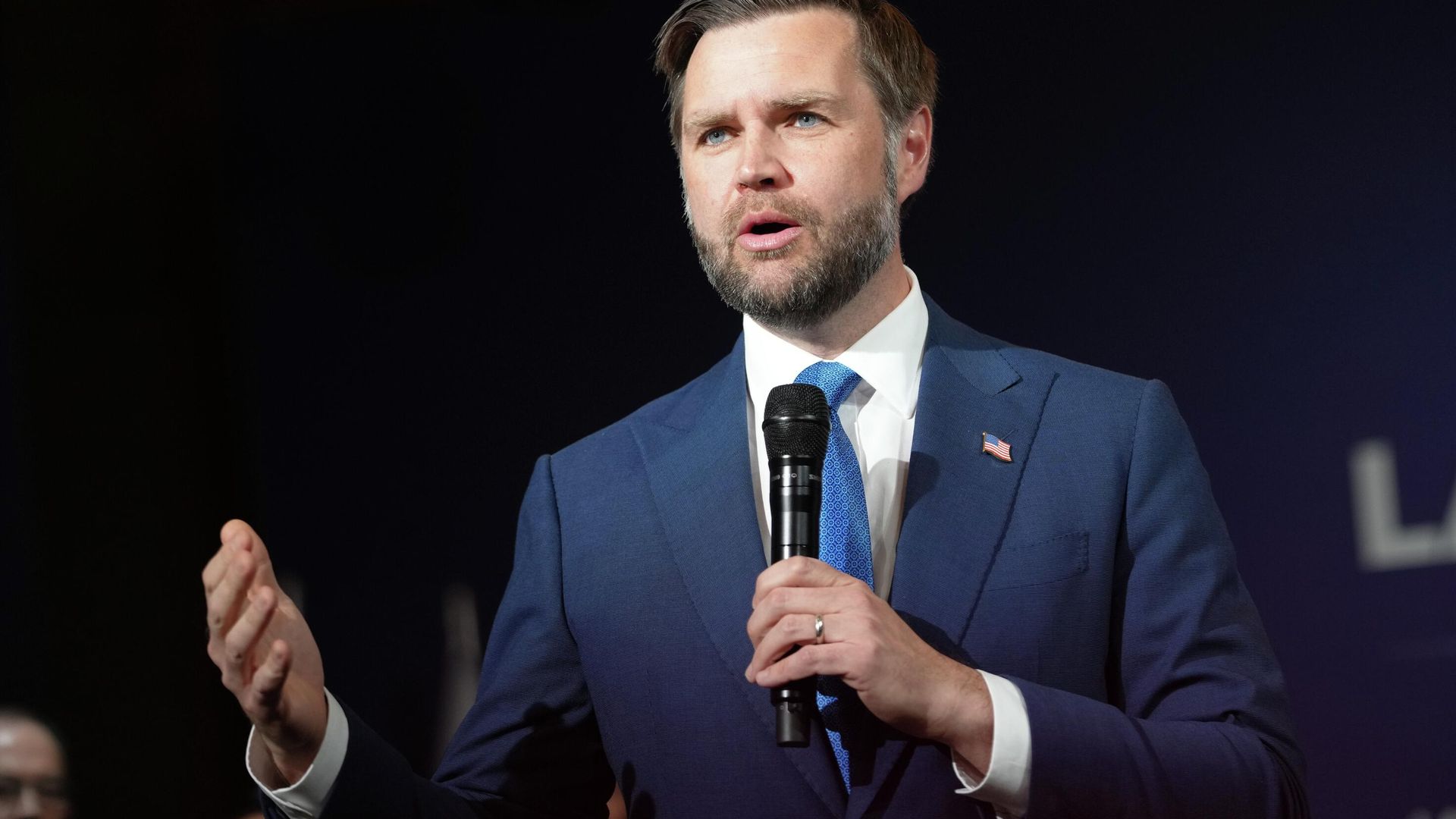

WASHINGTON – America’s most senior military officer has been meeting privately with Vice President JD Vance, Secretary of State Marco Rubio, and CIA Director John Ratcliffe over recent weeks, urging the three officials to steer President Trump toward an exit from the Iran war, Sputnik reported Saturday, citing US media accounts. The sessions, undisclosed at the time they occurred, reveal that the military’s private judgment about the conflict’s trajectory differs substantially from the White House’s public statements about its progress.
Gen. Dan Caine, chairman of the Joint Chiefs of Staff, held the confidential meetings with the specific goal of presenting what the reports describe as “the risks and impasse of further escalation around Iran.” The characterization is direct: Caine is, as the account puts it, “looking for an off ramp.”
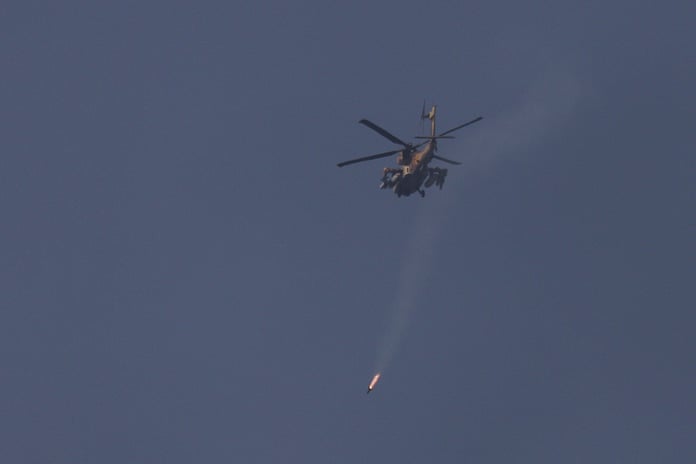
The core of the military’s argument concerns what air campaigns can and cannot accomplish against a country Iran’s size. The Joint Chiefs believe sustained airstrikes on Iranian infrastructure will not force Tehran to capitulate. They will instead trigger Iranian retaliation against American allies in the Persian Gulf, a consequence that would widen a conflict the US is already finding difficult to manage on its current terms.
Those private assessments sit at substantial distance from the public posture coming from the same officials Caine was meeting. Vance said Saturday that the United States had “made some progress over the last few days” in negotiations with Iran over the Strait of Hormuz. Treasury Secretary Scott Bessent indicated a ceasefire agreement could be reached within 30 to 60 days. Trump announced on August 1 that he had called off a planned strike on Iran pending a settlement. None of those statements mentioned that the chairman of the Joint Chiefs had been privately characterizing the conflict as at an impasse and meeting with senior officials to argue for a strategic change.
Caine’s strategic argument extends an earlier logistical one. When the Trump administration paused its bombing campaign after 13 consecutive nights of strikes in late July, Caine’s warning centered on supply: the air campaign was depleting US munitions faster than they could be replaced. Since then, the picture has grown more specific. The United States now has fewer than 1,700 Patriot interceptor missiles in its arsenal after expending more than 1,500 during the Iran campaign; the Patriot stockpile depletion has created coverage gaps across NATO and alarmed allies in South Korea and Japan. The confidential meetings represent the strategic layer above those logistical concerns: not only is the ammunition running short, but the strategy it is being spent on is not achieving its stated goals.
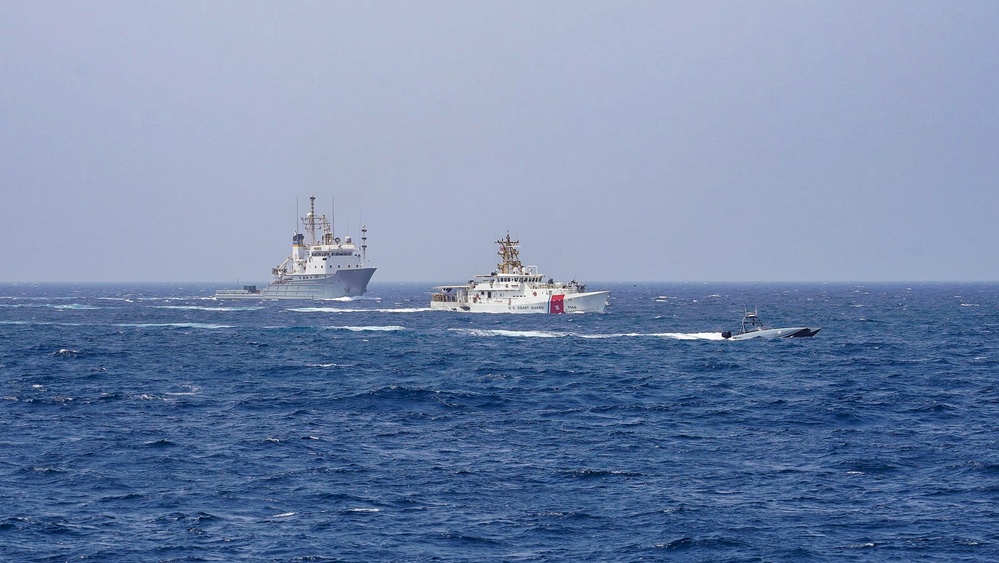
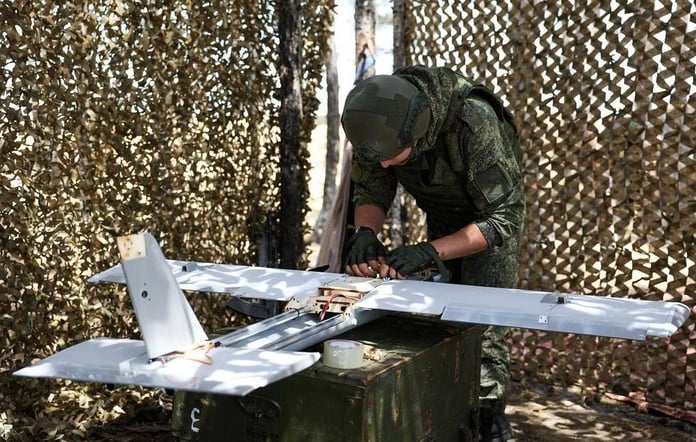
Tehran has not been passive during the pauses in fighting. Iran used the June ceasefire period to triple its drone production output and retain 70 percent of its pre-war ballistic missile stockpile, according to US defense officials. The country Caine is arguing cannot be bombed into submission has been rebuilding its striking capacity at each window the conflict has provided. On Saturday, the same day Sputnik published accounts of Caine’s off-ramp campaign, the IRGC struck a UAE vessel transiting the Strait of Hormuz, maintaining Iran’s consistent pattern of simultaneous military action and diplomatic engagement.
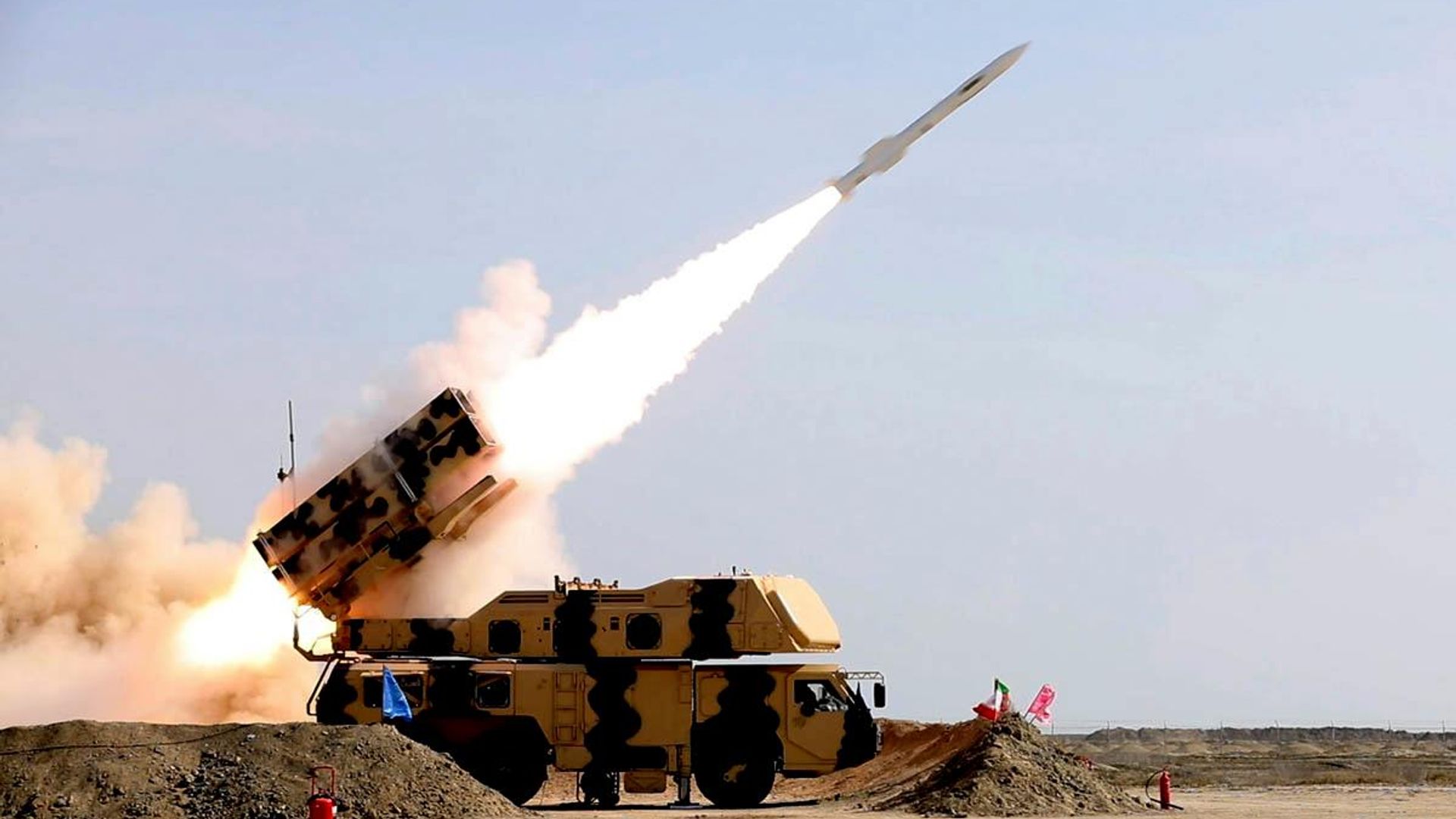
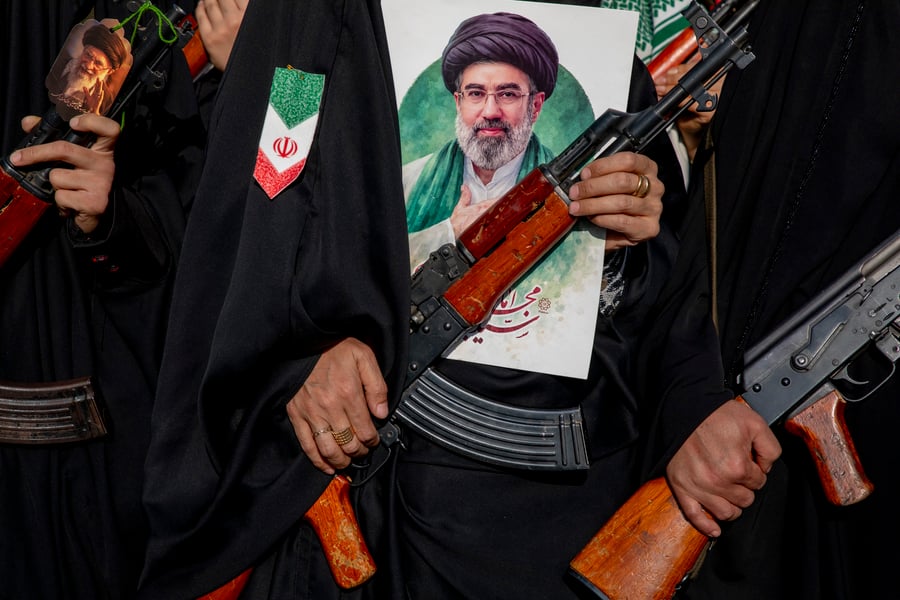
What Iran has now formally asked for makes the gap between the military’s private assessment and the administration’s public optimism directly legible. On Saturday, the secretary of Iran’s Supreme National Security Council published seven conditions for reopening the Strait of Hormuz. The list includes a permanent end to US military operations against Iran and its allies, full withdrawal of naval forces from the region, unconditional lifting of all sanctions, return of frozen assets, and war reparations. Iran’s conditions for Hormuz reopening amount to a comprehensive settlement of the entire bilateral conflict. Vance said “progress” was being made. Iran’s official position requires the permanent end of American military presence in the region as the price of permitting oil tankers through 21 miles of water.
The nuclear dimension of the conflict compounds the assessment Caine has been offering. Operation Epic Fury, the US campaign launched in February, was premised partly on eliminating Iran’s nuclear program. Three days before the strikes on Fordow and Natanz, Iranian trucks transferred what satellite imagery suggests was up to 540 kilograms of highly enriched uranium from Isfahan to a location that remains unknown. The IAEA has not had access to the bombed facilities since. Any settlement requiring nuclear verification must start by locating material that Iranian logistics removed from international monitoring before the war reached its first major target.
Whether Caine has made the same case directly to Trump is not what the Saturday reports establish. The confidential meetings cited were with Vance, Rubio, and Ratcliffe, the three most senior national security figures below the president. The sessions appear designed to shape the framing those officials provide to Trump rather than to brief him directly. Whether that framing has changed, and whether Trump is receiving a private assessment that differs from the one he has articulated publicly since August 1, is not reported.
What the accounts make clear is that the chairman of the Joint Chiefs, the officer constitutionally charged with providing military advice to the president, has privately concluded that the war cannot reach its stated objectives through the strategy currently in use, and has been attempting to persuade the civilian leadership that a different path is needed. The Strait remains closed. Iran has set conditions the US has never accepted from any adversary. And the man responsible for advising the president on military strategy has been telling the people around Trump, in private, that the road they are on does not lead where they say it does.
Related Posts