
BEIRUT – A source close to Houthi leadership told Reuters Thursday that Iranian Islamic Revolutionary Guard Corps representatives based in Yemen would control the timing of any assault on shipping in the Bab el-Mandeb strait, if Tehran orders action. That detail – about command authority, not capability – arrived the same day the news agency reported that Iran has asked the Houthis to stand ready to close that strait entirely if the United States strikes Iranian power infrastructure.
The message from Tehran was conveyed recently to Houthi commanders in Yemen, according to three sources who spoke to Reuters on condition of anonymity, two described as senior Iranian officials and one as a regional source familiar with the matter. The Times of Israel reported the exchange Thursday. Iran’s foreign ministry did not respond to a request for comment. A Houthi spokesperson was also unavailable.
The timing connects to a threat made by President Donald Trump on Tuesday, when he warned that the United States could strike Iranian power infrastructure. Iran’s decision to relay a conditional threat through its Yemeni partners suggests Tehran is treating infrastructure strikes as a distinct category of escalation – one warranting a qualitatively different response than the military operations that have defined the conflict so far.
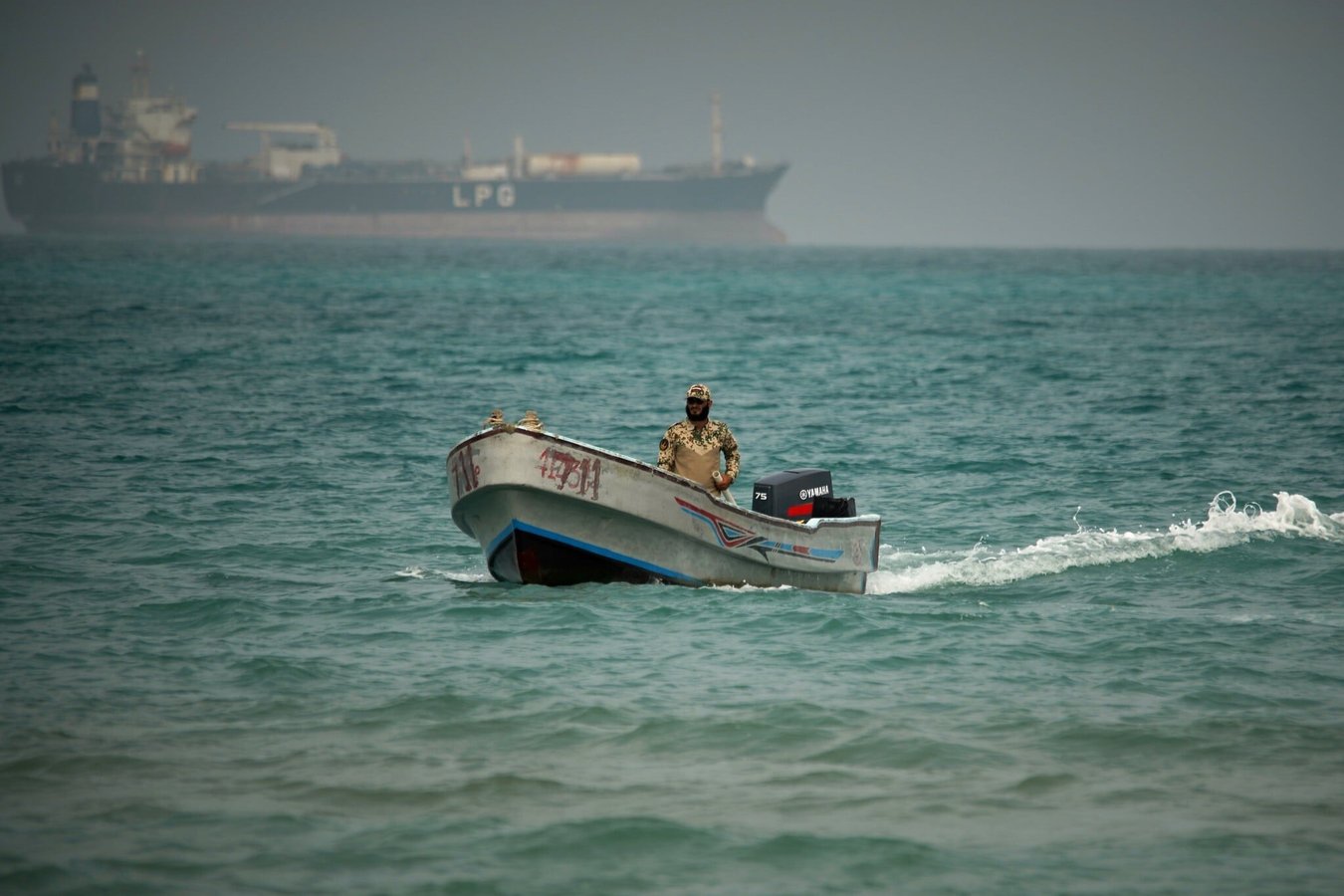
The Houthis have largely refrained from attacking commercial shipping for roughly a year. The pause has not meant demilitarization. A source close to the group told Reuters that missiles and drones have already been positioned near highlands overlooking Hodeidah and the Gulf of Aden – terrain that commands the Bab el-Mandeb from above. The weapons are staged. The activation order has not come.
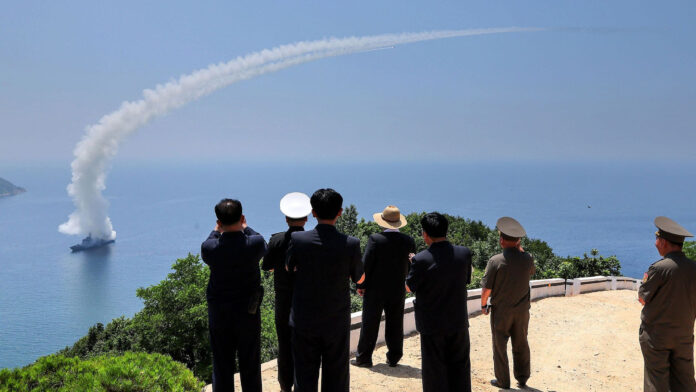
The Bab el-Mandeb connects the Gulf of Aden to the Red Sea and, by extension, to the Suez Canal and the Mediterranean. Roughly 7 percent of global energy supplies currently move through the strait, with Saudi Arabia routing approximately 70 percent of its energy exports through the Red Sea port of Yanbu. Iran has already forced a closure of the Strait of Hormuz, which historically handles roughly one-fifth of global oil and gas shipments; the US airstrikes on Iranian territory that prompted Thursday’s warning have continued to expand in scope and geography.
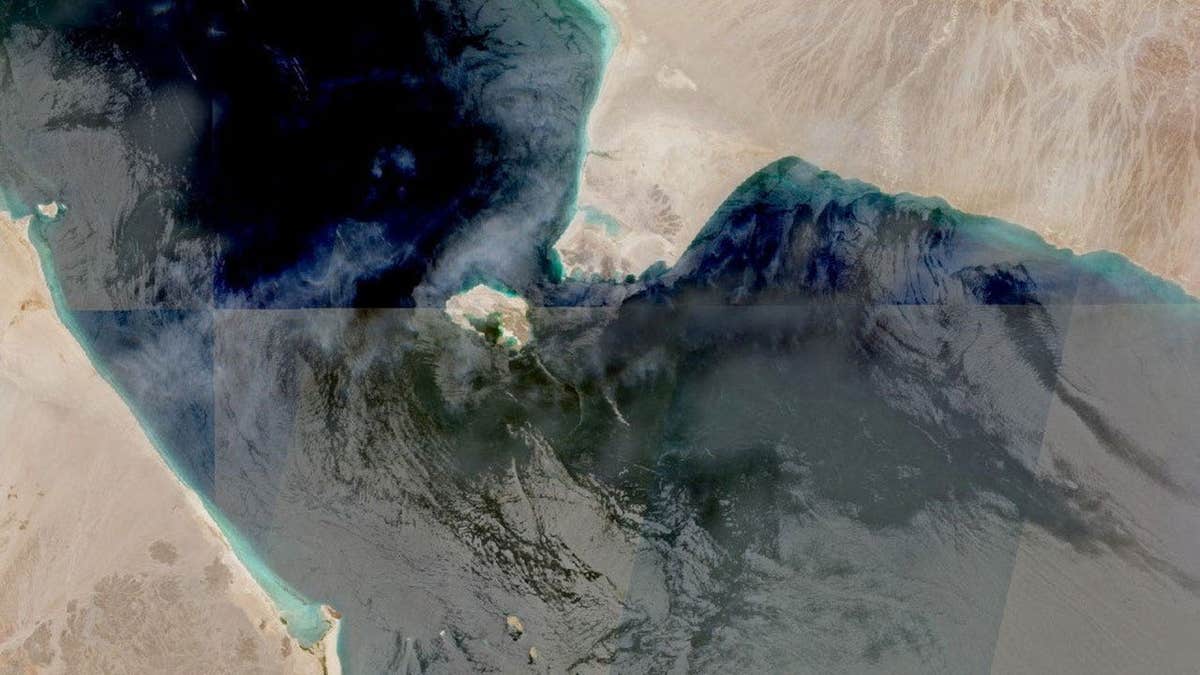
A dual closure – Hormuz and Bab el-Mandeb simultaneously under threat or controlled – would mean that the two chokepoints through which the Middle East’s energy output has traditionally moved would both be held by Iran or actors operating under IRGC command. The economic consequences would go beyond price increases: shipping routes around the Horn of Africa add roughly two weeks of transit time, substantially raising insurance premiums, fuel costs, and freight rates for every commodity that currently moves through either waterway.
“This threat should be taken seriously,” Nadwa Al-Dawsari of the Middle East Institute said. “With recent escalation and U.S. strikes on Iran, Tehran has already signaled that the Bab al-Mandab could become part of its response.” Al-Dawsari did not specify what threshold would trigger an activation order, and the sources speaking to Reuters similarly did not provide that detail.
The command arrangement adds complexity to any assessment of how quickly this threat could materialize. The IRGC, which maintains advisers and commanders embedded within Houthi military units, would apparently retain authority over when any closure order is activated – not Houthi political leadership in Sanaa. That structure reflects a consistent Iranian pattern throughout the conflict: maintaining operational control through embedded officers while preserving political deniability. Whether Houthi commanders could override an IRGC instruction, or would want to, is not answered by available reporting.
Edmund Fitton-Brown of the Foundation for Defense of Democracies offered a grounded assessment of Houthi capability: the group may not be able to physically seal the waterway, but “repeated attacks – or even a credible threat of them – can push major shipping companies to reroute vessels around Africa, driving up insurance, fuel and freight costs.” That effect has a precedent. During the earlier Houthi maritime campaign, a fraction of actual attack rates was sufficient to divert significant commercial traffic onto the longer African route and push up global freight costs sharply.
The Houthis struck Saudi Arabia’s Abha airport with ballistic missiles and drones earlier this week, demonstrating that the group’s weapons remain operable and targeted. The year-long pause in maritime attacks reflected strategic choice, not incapacity, and choices can be reversed if Tehran decides the conditions are met.
What Thursday’s reporting does not clarify is whether Iran has issued a firm contingency instruction or a conditional signaling message. The language in the Reuters account – that Iran “asked” the Houthis to “stand ready” – describes preparation, not activation. The distinction matters now. It will matter less if US strikes on Iranian power infrastructure proceed. At that point, whether the original communication was a firm order or a suggestion becomes a detail already overtaken by events.